





A jump rope habit for beginners starts with short, repeatable sessions, not perfect workouts. You can practise basic timing and build a routine around your actual week.
Maybe you bought equipment before and stopped using it. Maybe the gym feels like another appointment. Or perhaps you want movement that feels less repetitive. A jump rope gives you a small skill to practise without a complicated setup.
This guide explains how to start safely, choose your equipment, and recover after missed sessions. It also explains when another activity may suit you better.
What You'll Learn
- How to make a beginner routine repeatable.
- What equipment matters and what does not.
- A three-day practice plan with rest built in.
- How to fix common timing problems.
- When to consider a beaded rope or speed rope.
Why a Small Jump Rope Habit Beats an Ambitious Plan
A routine becomes useful when you can repeat it. Real weeks include late meetings, family demands, and low-energy evenings. An ambitious plan often ignores those realities.
A jump rope session can be brief. You can practise for a few minutes, stop, and still learn something. That does not make every short session a complete fitness programme. It simply makes practice easier to fit into an ordinary day.
Start With a Minimum You Can Keep
Choose a practice window that feels almost too easy. Five minutes is one reasonable example, not a medical prescription. You might spend half that time adjusting the rope or resting between attempts.
The goal is not to prove how tough you are. It is to remove the daily debate about whether you have time. If five minutes feels difficult, start with two. Stop if jumping causes discomfort.
Tie your practice to a realistic cue. You might train after making morning coffee or before your evening shower. Keep your equipment somewhere visible and safe. A repeatable cue makes the next decision simpler.
Separate Showing Up From Performing Well
One day, you may complete ten clean jumps. The next day, you might manage only three. Neither session defines your progress. Your technique changes as your timing improves. Record whether you practised, not just uninterrupted repetitions.
Habit formation research shows that automaticity develops at different rates. There is no universal deadline for establishing a routine. A fixed challenge can provide structure without becoming a pass-or-fail test.
Short answer: Make the session easy enough to repeat on a busy day.
Why it matters: Your schedule affects consistency as much as motivation does.
Best next step: Choose two or three realistic practice windows this week.
Set Up a Safe Place for Jump Rope Practice

You do not need a dedicated studio. You do need enough clearance, stable footing, and secure shoes. Check overhead space before turning the rope. Look around for people, pets, furniture, and low ceilings.
Choose a Surface and Check Your Surroundings
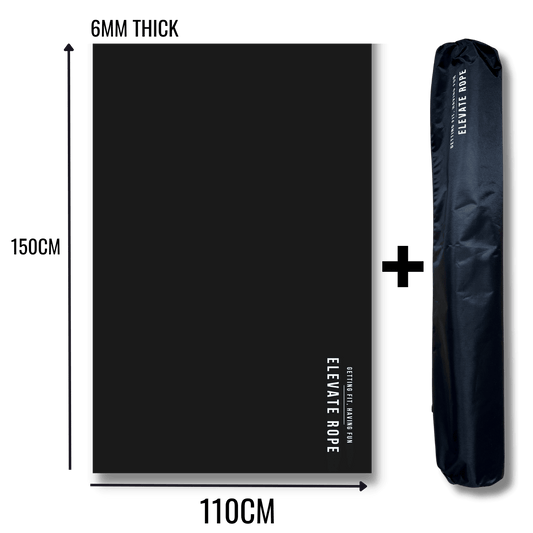
Choose a flat area with predictable footing. Avoid slippery tiles, crowded rooms, and uneven ground. Rough surfaces can also wear cables faster. A suitable exercise mat may protect some floors and equipment. It cannot replace safe technique.
If impact exercise is new to you, start conservatively. Walking or another lower-impact activity may be more suitable. The CDC's guidance on starting physical activity recommends choosing movement that suits your abilities. Seek individual guidance when health conditions or symptoms make jumping uncertain.
Set the Jump Rope Length Before Chasing Speed
The wrong rope length makes timing harder. A long cable may slap the floor. A short one may catch your feet. Follow the manufacturer's sizing instructions, then adjust your setup gradually.
For a practical walkthrough, read our jump rope sizing guide. Test the length with slow rotations before attempting longer sets. Keep your elbows near your sides and your shoulders relaxed. Let your wrists guide the movement instead of swinging your arms widely.
Pick a Jump Rope That Matches Your First Goal
A first-time jumper needs control more than maximum speed. Someone with established timing may prefer a quicker cable for conditioning. These designs serve different purposes. Neither is automatically better for every person.
Beaded Ropes Make Movement Easier to Feel
A beaded rope has segmented beads along its cord. Their movement provides feedback through your hands and arms. That sensation may help you track where the rope travels during each turn. Beads can also provide an audible rhythm when they touch the ground.
A beaded rope suits basic freestyle practice too. It feels different from a lightweight speed rope. The trade-off is a less speed-focused rotation. It does not guarantee that every beginner will stop tripping.
Explore Elevate's beaded ropes if you want more feedback while learning timing.
Speed Ropes Suit Faster Sessions Once Timing Develops
A speed rope usually uses a slimmer cable. That design can support quicker rotations when you already control the movement. It may provide less tactile feedback than a beaded model.
Faster is not always better for a beginner jump rope session. If you keep tripping, practise technique before chasing repetitions. Your equipment should match your current skill, not only your future goal.
Compare Elevate's jump rope range to see different rope types and their purposes.
When to Skip Weighted and Long-Handle Options
A weighted rope adds resistance. It is not essential for your first sessions. Heavier models are better reserved for short, controlled intervals after you develop comfortable technique. Long-handle designs mainly support specialist freestyle skills, not your first basic bounce.
If you own a suitable rope already, start with it. You do not need another purchase to learn. Replace equipment only when it limits the practice you want to do.
Short answer: Most complete beginners should consider a beaded rope first.
Why it matters: Noticeable feedback can support timing and rope awareness.
Best next step: Choose a design for your current goal.
A Realistic Three-Day Beginner Jump Rope Plan
Three short sessions create structure without demanding daily jumping. These times are examples, not targets you must reach. Adjust them for comfort, recovery, and experience.
| Day | Practice | Focus |
| Monday | 5 minutes, with breaks | Rope length and basic bounce |
| Wednesday | 5–8 minutes, with breaks | Wrist movement and timing |
| Saturday | 5–10 minutes, with breaks | Comfortable repetitions and review |
Session One: Get Comfortable With the Movement
Begin without turning the rope. Practise small, gentle jumps in place. Then hold the handles and rotate the cable beside you. This separates the jumping movement from the timing challenge.
Next, attempt one complete rotation. Pause after a successful jump. Repeat without rushing. Rest whenever your form changes. The aim is a calm, predictable movement, not an impressive count.
Session Two: Connect Your Wrists and Feet
Start with a few easy attempts. Keep your arms close and turn mainly from your wrists. Notice whether the rope catches in front of you or behind you. That clue can help you adjust.
If you keep catching the cable, slow down. Recheck the length. Try single rotations with a pause. Your jump rope practice can still be productive when many attempts involve small corrections.
Session Three: Repeat and Review
Repeat the movement that felt best. Add a few attempts only while your technique stays comfortable. End before fatigue turns every rotation into a struggle.
Write one sentence afterward. What felt easier? What caused trips? What will you practise next time? That brief note gives your next session a starting point.

Fix the Problems That Make People Quit Jump Rope
Early setbacks are often practical. The cable catches, you become breathless, or the session feels too long. Adjust the routine instead of treating one difficult day as failure.
If You Trip Every Few Jumps
Check rope length first. Bring your hands nearer your hips and keep jumps small. Land softly and use your wrists instead of large shoulder circles.
Change one detail at a time. Otherwise you cannot tell what helped. A short video of your technique can reveal hand position and timing problems.
If You Feel Exhausted Too Quickly
Use shorter attempts and longer breaks. New movements can feel demanding even at a modest pace. You do not need to make every jump rope workout high intensity.
Stop for chest pain, dizziness, unusual breathlessness, or other concerning symptoms. Seek appropriate medical attention for serious or persistent symptoms. Your training plan must adapt to your health.
If You Miss an Entire Week
Return with the easiest version of your plan. Do not compensate with extra jumping. A jump rope habit should survive missed sessions instead of depending on an unbroken streak.
Put the next session on your calendar. If your old schedule keeps failing, change it. A two-minute basic bounce is a reasonable restart when it feels comfortable.
Short answer: Restart with a short technique session.
Why it matters: Punishing yourself can make the next workout harder to approach.
Best next step: Pick a manageable day and practise basic bounce again.
Make Progress Without Turning Every Jump Rope Workout Into a Test
Progress might mean smoother timing, better coordination, or a calmer start. It does not always mean more minutes. Compare your next session with your earlier practice, not an experienced athlete's performance.
Track One Skill and One Habit
Choose one technique goal, such as relaxed wrist movement. Then choose one behaviour goal, such as practising twice weekly. Write both in simple language. Tracking should support your routine rather than become another demanding task.
After a few weeks, review what happened. Did the planned days work? Did your rope feel easier to control? Did family or work interrupt your schedule? Use those answers to shape the next month.
Add Variety When Basic Bounce Feels Controlled
Explore alternating feet, simple footwork, or beginner side swings. Learn one movement before combining several. Keep the pace manageable when adding variety.
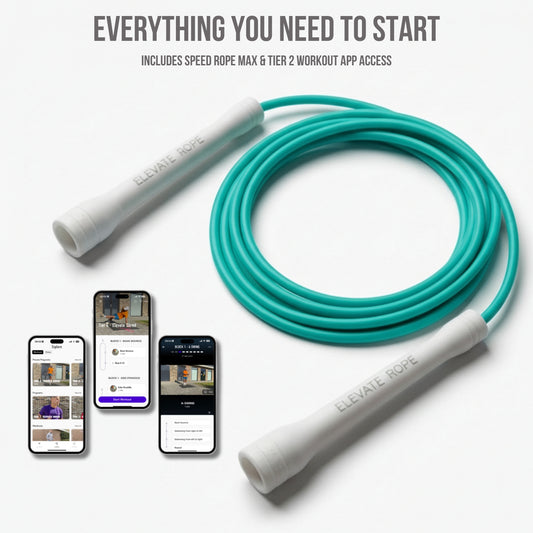
Guided workouts can remove planning effort. Elevate provides training resources alongside its equipment. Check the current access details before purchasing. You can also practise independently with a written plan.
Know When Another Exercise Is the Better Choice
Jump rope is one tool, not an entire fitness programme. Walking, cycling, and resistance training offer different benefits. The World Health Organization's physical activity guidance recommends a mix of aerobic movement and muscle-strengthening activity.
If impact feels uncomfortable, consider a different activity. Choose something that suits your circumstances and feels safe to repeat. Your jump rope routine should earn its place in your week through usefulness and enjoyment.
Next Steps: Choose the Path That Fits You
If you are new, begin with the simplest session you can repeat. Check your space, size your rope, and practise one controlled rotation. You do not need a complicated training plan.
For a first purchase, a beaded rope is a practical place to look. If you already skip comfortably, consider speed options for faster conditioning. Save resistance-focused ropes for later, when your technique feels reliable.
If you want a detailed purchase comparison, read our jump rope buying guide. Buy for what you will actually practise next week.
Your jump rope habit begins with a small promise you can keep. Miss a session, adjust the plan, and return when you are ready. The goal is not a perfect streak. It is becoming someone who shows up again. Together We Elevate.
For a visual refresher, watch Geraldo Alken's jump rope basics tutorial before your next practice session.
Frequently Asked Questions
How often should beginners jump rope?
Two or three short, nonconsecutive sessions can be a manageable starting point. There is no required weekly number for every beginner. Rest when needed and adjust your jump rope practice to your comfort, fitness, and recovery. Consistent, controlled attempts matter more than forcing daily workouts.
Is five minutes of jump rope enough for beginners?
Five minutes can be enough to practise basic timing and establish a repeatable routine. It does not mean five minutes of uninterrupted jumping. You can alternate short attempts with rest. Over time, increase practice only when your movement stays comfortable. Short sessions are a starting point, not a complete fitness programme.
Should I buy a beaded rope or a speed rope?
A beaded rope provides tactile feedback and a noticeable rhythm. A speed rope favours quicker rotations once your timing develops. If you are learning your first jumps, consider beaded equipment. You do not have to buy either if your current rope already works for safe, controlled practice.
Why does my jump rope keep catching my feet?
The rope may be too long or short. Your hands may also be too far from your body. Check length, bring your elbows closer, and use small wrist movements. Practise one rotation at a time. Change one detail before testing again, so you can tell what made a difference.
Can I build a jump rope habit at home?
Yes, if you have enough clear floor and overhead space. Check the ground, nearby objects, and anyone sharing the room. Start with short sessions and choose a stable surface. If space, noise, or impact make indoor practice unsuitable, try another setting or a lower-impact activity instead.
What if I lose motivation or miss a week?
You can restart without making up missed workouts. Pick an easy practice window and return to basic bounce. A jump rope habit should fit real life, including busy days and periods of rest. If your schedule keeps breaking down, change the timing or shorten the session. Keep the promise manageable.
About Elevate Rope
Elevate Rope makes equipment and training resources for beginners and experienced jumpers. Our approach goes beyond completing workouts. We want movement to feel repeatable, practical, and rewarding. Each small session can support the confidence to show up again. Together We Elevate.