





The recovery mistakes you're making between workouts might be the real reason you're stuck. You push hard in the gym. You show up consistently. Yet despite your dedication, you're constantly dealing with soreness that lingers too long, stiffness that won't release, and nagging aches that seem to have no clear cause. The issue often isn't your training—it's what happens after.
Recovery mistakes sabotage more fitness progress than poor programming ever could. The hours between workouts determine whether you come back stronger or simply accumulate damage that manifests as chronic discomfort. Most athletes focus obsessively on sets, reps, and progressive overload while treating recovery as an afterthought.
This article identifies the five most common recovery mistakes that lead to persistent aches and stiffness—and what to do instead. Understanding these pitfalls is the first step toward training that builds you up rather than breaks you down.
What you'll learn:
- Why skipping warm-ups creates lasting tissue damage
- How neglected mobility work leads to chronic stiffness
- The sleep and protein connection to persistent soreness
- Why complete rest often backfires (and what works better)
- How your diet directly contributes to inflammation and pain

Recovery Mistakes #1: Skipping Your Warm-Up
Jumping straight into working sets might save ten minutes, but it costs you far more in recovery time and accumulated tissue stress. This ranks among the most damaging recovery mistakes because it affects every session that follows.
Why It Causes Problems
Cold muscles lack the blood flow, elasticity, and neural readiness that intense training requires. When you load unprepared tissues, you create more microtrauma than necessary—damage your body must repair before you can train again.
The muscle fibers themselves suffer. Without adequate warm-up, the transition from rest to high-force contractions happens too abruptly. This creates excessive mechanical stress that extends recovery time and contributes to the lingering soreness many athletes accept as normal.
Your connective tissues—tendons, ligaments, and fascia—need temperature increases to function optimally. Cold connective tissue is stiffer and less resilient. Loading it heavily creates strain patterns that accumulate into chronic aches over weeks and months.
How It Leads to Nagging Aches
The damage from skipped warm-ups compounds over time. Each session without proper preparation adds stress that incomplete recovery can't fully address. You develop persistent tightness in areas that never get the chance to fully heal.
Many lifters experience this as chronic hamstring tightness, shoulder stiffness that won't release, or lower back aches that appear unconnected to any specific injury. These patterns often trace back to accumulated warm-up neglect.
The Better Approach
Invest 10-15 minutes in progressive warm-up that elevates core temperature and prepares the specific movements you'll train. Start with light cardio—a few minutes of jump rope work effectively raises heart rate and body temperature while engaging the entire body.
Follow with dynamic stretches and movement preparation specific to your training. Leg swings before squats. Arm circles and band pull-aparts before pressing. Light sets that groove the movement patterns before adding significant load.
This investment in preparation pays dividends in faster recovery and fewer accumulated aches. For more detailed warm-up protocols, our complete guide to workout recovery covers preparation strategies for every training style.
Mistake #2: Neglecting Mobility Work
Strength without mobility creates dysfunction. Many athletes build impressive force production while their joints lose range of motion—a combination that guarantees chronic stiffness and eventual pain. Neglecting mobility ranks high among recovery mistakes that create long-term problems.
Why It Causes Problems
Training creates tissue adaptation. Muscles that work hard develop tension patterns. Fascia thickens around frequently used movement paths. Without deliberate mobility work to counterbalance these adaptations, your body gradually loses access to ranges of motion it once had.
This isn't about flexibility for its own sake. Limited mobility forces compensations during training. When your hips can't move freely, your lower back picks up the slack. When your thoracic spine won't extend, your shoulders and neck compensate. These compensations create stress in areas not designed to handle it.
The recovery mistakes around mobility often stem from misunderstanding what mobility work accomplishes. It's not just stretching—it's teaching your nervous system that certain ranges are safe and available. Without this input, your body protectively restricts movement.
How It Leads to Nagging Aches
Restricted joints create predictable pain patterns. Limited hip mobility produces lower back and knee discomfort. Restricted thoracic spine causes shoulder and neck issues. Tight ankles contribute to knee pain and squat limitations.
These aches feel mysterious because they don't correlate with specific injuries. You didn't hurt your back—it just always feels tight. Your shoulder wasn't injured—it just aches after pressing. The root cause is accumulated mobility neglect, not acute trauma.
The Better Approach
Dedicate 10-15 minutes daily to mobility work targeting your most restricted areas. This doesn't require elaborate routines—consistent basic work outperforms occasional intensive sessions.
Focus on the areas that training tightens most: hips, thoracic spine, shoulders, and ankles for most lifters. Controlled articular rotations (CARs), dynamic stretches, and positional breathing all contribute to maintained mobility.
Post-workout mobility work is particularly effective when tissues are warm and receptive. Even five minutes of targeted stretching after training helps prevent the stiffness that accumulates into chronic aches.
Mistake #3: Insufficient Sleep and Protein
Training provides the stimulus for adaptation. Sleep and protein provide the resources for that adaptation to occur. Shortchanging either creates a recovery debt that manifests as persistent soreness and stalled progress. These nutritional and lifestyle recovery mistakes undermine everything else you do right.
Why It Causes Problems
During deep sleep, your body releases the majority of its daily growth hormone—the primary driver of tissue repair. Sleep deprivation directly reduces growth hormone output, slowing the recovery process regardless of how well you eat or how perfectly you train.
Protein provides the amino acids your body needs to rebuild damaged muscle fibers. Insufficient intake means your body can't fully repair the microtrauma training creates. The damage accumulates session after session, contributing to chronic soreness and aches.
The combination is particularly problematic. Without adequate sleep, protein synthesis rates drop even when protein intake is sufficient. Without adequate protein, even perfect sleep can't provide the raw materials for complete repair.

How It Leads to Nagging Aches
Under-recovered muscles feel different than properly recovered ones. They're tender to touch. They ache during movements that shouldn't be challenging. They feel "heavy" and unresponsive during training.
Many athletes experience this as persistent soreness that never fully clears between sessions. The 48-72 hours that should bring full recovery instead brings only partial relief. You train again before healing completes, adding new damage on top of old.
Over time, this pattern creates chronic aches that seem disconnected from specific workouts. Your body is simply never caught up—always carrying residual damage that proper sleep and nutrition would have addressed.
The Better Approach
Prioritize 7-9 hours of quality sleep. This isn't optional for serious athletes—it's as important as your training itself. Create conditions that support deep sleep: cool room, darkness, consistent schedule, and screens off before bed.
Consume 1.6-2.2 grams of protein per kilogram of body weight, distributed across meals throughout the day. Post-workout protein is particularly important, but overall daily intake matters more than precise timing.
For deeper guidance on nutritional strategies that support recovery, our clean eating for muscle recovery guide provides comprehensive nutritional frameworks.
Mistake #4: Ignoring Active Recovery
Complete rest seems logical after hard training. Your muscles are damaged—shouldn't you leave them alone to heal? This intuition leads to one of the most counterproductive recovery mistakes: doing nothing between sessions when light activity would accelerate healing.
Why It Causes Problems
Recovery requires blood flow. Your circulatory system delivers the nutrients, oxygen, and immune cells that repair damaged tissue while removing metabolic waste products that accumulate during training. Complete rest minimizes this circulation.
When you stay sedentary after training, blood pools rather than circulates. Metabolic byproducts linger in damaged tissues. The delivery of repair resources slows. Recovery that should take 48 hours extends to 72 or beyond.
Stiffness compounds the problem. Inactive muscles tighten. Fascia becomes adhesed. The longer you remain stationary, the more difficult movement becomes—creating a cycle where recovery feels complete only when full range of motion returns, which sedentary rest delays.
How It Leads to Nagging Aches
Athletes who rest completely between sessions often experience pronounced stiffness that takes significant warm-up time to resolve. They feel "creaky" and restricted, especially in the morning or after sitting for extended periods.
This stiffness creates compensatory movement patterns that stress joints and tissues inappropriately. You move differently when you're stiff—loading structures in ways they aren't designed to handle. Over time, this produces aches in areas that weren't directly trained.
The recovery mistakes around rest often come from conflating "recovery" with "inactivity." True recovery involves giving damaged tissues what they need to heal—and light movement is part of that equation.
The Better Approach
Incorporate active recovery between training sessions. This means light movement that elevates heart rate and increases blood flow without creating additional training stress.
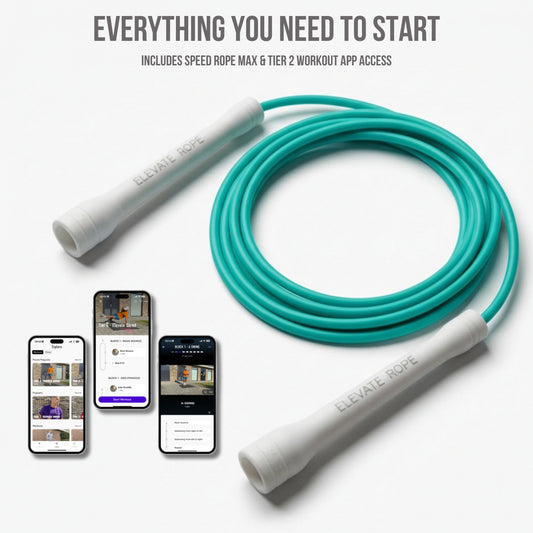
Short jump rope sessions offer an ideal active recovery tool. Five to ten minutes of moderate-intensity jumping increases circulation throughout your entire body, promotes lymphatic drainage, and maintains mobility without taxing recovering muscles. The Elevate Speed Rope makes this practical—a quick session requires minimal space and time while delivering significant recovery benefits.
Walking, light cycling, and swimming also work well. The key is movement intense enough to drive circulation but light enough to avoid creating new recovery demands. Your active recovery sessions should leave you feeling better, not more fatigued.
For a complete active recovery protocol using our jump rope.
👉 Here’s a quick overview of our jump ropes.

Mistake #5: Poor Dietary Choices That Fuel Inflammation
What you eat directly affects how you feel. Dietary patterns that promote inflammation extend recovery time, amplify soreness, and contribute to chronic aches that seem unconnected to training. Poor nutrition represents one of the most overlooked recovery mistakes affecting athletes—yet it's also one of the most correctable.
Why It Causes Problems
Training creates controlled inflammation—a necessary part of the repair and adaptation process. But when your baseline inflammation is already elevated from dietary choices, this training-induced inflammation stacks on top, creating excessive inflammatory load. Understanding how nutrition drives these recovery mistakes helps you see why what you eat matters as much as how you train.
Processed foods, excess sugar, and unhealthy fats all promote inflammatory responses. Your body diverts resources toward managing this chronic inflammation rather than focusing on muscle repair. The recovery process slows while discomfort increases. These dietary recovery mistakes compound silently over weeks and months until chronic aches become your new normal.
Additionally, nutrient deficiencies impair specific recovery processes. Inadequate omega-3 fatty acids leave you without the raw materials for anti-inflammatory compounds. Insufficient magnesium affects muscle relaxation and sleep quality. Low vitamin D impacts protein synthesis and immune function. Each deficiency represents its own category of recovery mistakes that athletes rarely recognize.
How It Leads to Nagging Aches
Inflammation produces pain. Chronically elevated inflammation means chronically elevated discomfort—aches that persist regardless of training status, soreness that extends far beyond normal recovery windows, and stiffness that never fully resolves.
Many athletes don't connect their dietary habits to their physical discomfort. They assume the aches are from training, aging, or genetics when the actual driver sits on their plate. Among all recovery mistakes, this one often hides in plain sight because the cause-and-effect relationship isn't immediately obvious.
The foods that taste good in the moment—processed snacks, sugary drinks, fried foods—directly contribute to feeling bad later. This isn't moralistic judgment about eating; it's biological cause and effect. Recognizing these nutritional recovery mistakes is the first step toward eliminating them.
The Better Approach
Center your diet on whole foods that support recovery rather than undermine it. Prioritize colorful vegetables rich in antioxidants, fatty fish high in omega-3s, quality proteins for tissue repair, and complex carbohydrates for energy restoration. Addressing nutritional recovery mistakes often produces the most noticeable improvements in how athletes feel day-to-day.
Reduce intake of processed foods, added sugars, and industrial seed oils. These aren't forbidden—the 80/20 approach works well—but they shouldn't dominate your nutritional intake. Small, consistent changes eliminate recovery mistakes more effectively than dramatic overhauls you can't sustain.
Specific anti-inflammatory foods actively support recovery: tart cherries reduce muscle soreness, turmeric and ginger provide natural anti-inflammatory compounds, and leafy greens supply the micronutrients recovery processes require.
Answer Block: The Recovery Framework
Short answer: The five most damaging recovery mistakes are skipping warm-ups, neglecting mobility, insufficient sleep and protein, avoiding active recovery, and eating inflammatory foods. Each contributes to the persistent aches athletes often accept as inevitable.
Why it matters: These mistakes compound over time. Any single error might not cause obvious problems, but the combination creates chronic recovery debt that manifests as soreness, stiffness, and nagging discomfort.
Best next step: Identify which of these recovery mistakes applies most to your current habits. Address that one first before trying to optimize everything simultaneously.
Frequently Asked Questions (Quick Answers)
How quickly will fixing these mistakes reduce my aches?
Most athletes notice reduced soreness within 1-2 weeks of addressing major recovery mistakes. Chronic aches that have accumulated over months may take 4-6 weeks of consistent better habits to fully resolve. The timeline depends on how long the patterns have been established.
Which recovery mistake has the biggest impact?
Sleep typically produces the most dramatic improvements when addressed. If you're getting less than 7 hours consistently, fixing this single issue often reduces soreness more than any other intervention. Among recovery mistakes, sleep deprivation affects everything else.
Do I need to fix all five mistakes at once?
No—and attempting to change everything simultaneously often leads to changing nothing. Identify your biggest gap, address it consistently for 2-3 weeks, then add another improvement. Sustainable progress beats ambitious failure.
How long should active recovery sessions be?
Five to fifteen minutes is sufficient for most people. A quick 5-minute jump rope session between training days provides meaningful recovery benefits without requiring significant time investment. Longer isn't necessarily better for active recovery.
Can I do active recovery every day?
Yes, light active recovery can be performed daily without negative effects. The key word is "light"—these sessions should feel easy and leave you feeling better afterward. If you're creating fatigue, you've crossed from recovery into training.
What if I'm already eating well but still have aches?
Look at the other factors first—sleep quality, warm-up habits, mobility work, and active recovery. Even excellent nutrition can't compensate for other recovery mistakes. Recovery requires addressing the complete picture.
Is jump rope too intense for recovery days?
At moderate intensity, jump rope is ideal for active recovery. Keep the pace conversational—you should be able to talk while jumping. The Elevate Speed Rope allows precise intensity control for recovery-focused sessions.
How do I know if my aches are from poor recovery or injury?
Recovery-related aches are typically bilateral (both sides), diffuse rather than pinpoint, and improve with movement and warm-up. Injury-related pain is often one-sided, localized, and may worsen with specific movements. When in doubt, consult a healthcare professional.
Your Recovery Determines Your Results
The aches and stiffness you've accepted as normal aren't inevitable consequences of training hard. They're signals that your recovery practices need attention. Every recovery mistake on this list is correctable—and correcting them transforms how you feel both in and out of the gym.
The path forward isn't complicated. Warm up properly before training. Maintain your mobility with consistent daily work. Prioritize sleep and protein as non-negotiable foundations. Move lightly between sessions rather than staying sedentary. Eat foods that support recovery rather than undermine it.
These aren't advanced strategies requiring special knowledge or equipment. They're fundamentals that most athletes neglect while searching for complex solutions to simple problems. The recovery mistakes holding you back are likely hiding in plain sight.
Start with your biggest gap. Been skipping warm-ups? Commit to ten minutes of preparation before every session for the next two weeks. Perhaps sleep has been sacrificed—prioritize getting to bed earlier and protect those 7-9 hours. For those completely sedentary between sessions, adding brief active recovery changes everything—a 5-minute jump rope session makes this simple and effective.
For comprehensive guidance on building a complete recovery system, our workout recovery guide provides the detailed protocols and strategies that eliminate the aches holding you back.
Your training is only as good as your recovery. Fix the recovery mistakes, and watch how differently your body responds.
Sources
The recovery principles in this article draw from established exercise physiology and sports medicine research.
Research on warm-up effects and injury prevention references work published in the British Journal of Sports Medicine examining tissue temperature and injury rates.
Sleep and growth hormone relationships are documented in research from the Journal of Clinical Endocrinology and Metabolism examining hormone release during sleep stages.
Protein requirements for athletes reference position stands from the International Society of Sports Nutrition on protein intake for active individuals.
Active recovery and blood flow research draws from studies published in the Journal of Strength and Conditioning Research examining recovery modalities.
Dietary inflammation and its effects on recovery reference work from the American Journal of Clinical Nutrition examining inflammatory responses to various foods.
You May Also Like
- → Active Recovery: Stretching vs. Jump Rope – What’s Best for a Healthy Back?
- → Is Your Diet Hurting Your Gains? Clean Eating for Better Recovery
- → Lower Back Pain After Lifting: Causes and Quick Relief
- → Best Cardio Exercises for Back Pain Relief (Why Jump Rope Ranks High)
📖 Complete Guide: Back Pain Relief for Lifters