





The best surface for jump rope is flat, stable, non-slip, and firm enough for controlled landings. It should also give your rope room to move. But concrete, grass, wood, rubber flooring, and training mats feel different underfoot.
Imagine this. You've bought your first rope, practised a few turns, and you're ready to start. Then you look around. Your driveway is concrete. Your garden has grass. Your living room has wooden flooring.
Which spot should you choose?
Your training surface affects grip, rhythm, comfort, and rope wear. Some surfaces are uneven. Others feel slippery or too soft. You don't need a professional gym to start. You need a sensible place to jump.
This guide compares common surfaces and explains when a jump rope mat is worth considering.
What You'll Learn
- Five qualities of a suitable jump rope surface
- Whether concrete, grass, or wooden floors work for skipping
- How rubber gym flooring compares with a dedicated mat
- How your training surface affects beads and PVC cables
- How to set up a practical space indoors or outdoors
- A simple ten-minute surface test before your next workout
1. What Makes a Good Jump Rope Surface?
Start with the space beneath your feet. A good jump rope surface should support predictable takeoffs and landings. It should also let the cable pass without catching on raised edges.
Flat, even ground
Every jump includes a landing. Uneven paving, loose stones, hidden holes, and raised floor edges can interrupt your rhythm. Beginners benefit from a consistent landing area because there are fewer surprises to manage.
Walk across the space before you start. Check for damage, debris, and sudden changes in height.
Reliable grip
Your shoes need enough traction to prevent unwanted sliding. Wet tiles, polished floors, slippery paving, and loose mats deserve extra attention. Test your footing with small, controlled movements before you swing the rope.
Firmness without instability
A very soft surface can compress or shift beneath your feet. A very hard surface may feel uncomfortable during repeated landings. Firm, stable flooring with some cushioning can offer a useful balance.
Comfort differs between people and depends on shoes, technique, and training volume. The American Academy of Orthopaedic Surgeons identifies hard surfaces and sudden workload increases as factors in bone stress injuries.
Room above and around you
Look up before you jump. Ceiling fans, lamps, branches, furniture, and nearby people may interfere with your rotation. Your rope needs enough overhead and side clearance to turn freely.
Compatibility with your rope
Ground contact affects equipment, too. Rough concrete can abrade PVC cables and plastic beads. Smoother surfaces may reduce scraping, although every rope needs occasional inspection.
Short answer: Choose a flat, dry, non-slip area with enough room for full rope rotations.
Why it matters: Your training surface influences balance, comfort, and equipment wear.
Best next step: Inspect the space before buying extra equipment.
A stable training area makes it easier to practise with confidence.

2. Can You Jump Rope on Concrete?
Yes, you can jump rope on concrete, but it is not always the most comfortable option. Driveways, garages, and paved courts are convenient because they're easy to access.
Advantages of concrete
- A firm base that usually stays level
- Plenty of outdoor space in many locations
- No compression or movement beneath your shoes
- Easy access for occasional short practice sessions
Disadvantages of concrete
Concrete offers very little cushioning. Some people find repeated jumping on it uncomfortable, especially as sessions become longer. Rough patches can also increase wear on PVC cables and beaded ropes.
Cracks, grit, and wet spots introduce additional problems. If the area feels slippery or uneven, choose another location.
How to make concrete sessions more practical
Check for debris and rough edges first. Wear supportive athletic shoes and start with short intervals. Keep your bounce controlled instead of jumping higher than necessary.
If repeated landings feel uncomfortable, move to a more forgiving surface or consider a stable exercise mat. The Harvard Health guidance on jumping exercises favours surfaces with some give for impact-based jumping.
Best for: Occasional practice on smooth, dry, level paving.
Less suitable for: Long sessions on rough ground or anyone experiencing discomfort.
3. Is Grass a Good Surface for Jump Rope Workouts?
Grass feels softer than concrete, but softness doesn't always mean stability. A lawn can hide uneven soil, holes, and slippery patches.
Why natural grass can be difficult
Long grass can slow the cable as it passes beneath your feet. Small bumps may change your landing position. Wet ground can make traction unpredictable, even with suitable shoes.
Those problems become more noticeable during quick footwork and longer intervals.
When grass can work
A short, dry, level lawn may suit gentle basic-bounce practice. Walk the area first. Test a few easy jumps, then check whether the rope clears the grass cleanly.
If you feel your footing shift, stop and choose a firmer location.
What about artificial grass?
Artificial turf varies by installation. Some have a firm base and short pile. Others use softer padding or loose infill that changes how the surface feels.
Check grip, stability, and cable drag rather than assuming artificial grass is always suitable.
Best for: Light practice on short, level, dry grass.
Less suitable for: Uneven lawns, wet ground, or fast footwork on long grass.
4. Can You Jump Rope on Wooden Floors?
A wooden floor may feel smoother and more predictable than outdoor paving. But a sports hall floor isn't the same as household timber or laminate.
Wooden sports floors
Purpose-built sports flooring can provide stable traction and some impact management. Construction varies, so inspect the surface before training. Check that rope skipping is permitted in the facility.
Wooden floors at home
Household wood can be vulnerable to scuffs, scratches, and repeated cable contact. Some polished finishes also feel slippery under athletic shoes.
A suitable mat may limit direct rope contact with the floor. It may reduce some noise, although building vibration can still travel.
Is laminate flooring different?
Laminate can look like wood but have a different finish and underlay. Some surfaces feel slippery. Others make noticeable noise during repeated landings.
Test grip before starting. Avoid damaged boards and loose sections.
Best for: Stable indoor floors with reliable traction and enough clearance.
Less suitable for: Slippery finishes, delicate boards, or rooms with noise restrictions.
5. Is Rubber Gym Flooring Better for Jump Rope?
Rubber gym flooring can offer grip, stability, and some cushioning. It's common in home gyms and fitness studios. However, not all rubber flooring behaves the same way.
Advantages of rubber flooring
- Often offers a grippy exercise surface
- Available in different thicknesses and densities
- Can help protect the floor underneath
- May soften some contact noise
- Works well in a dedicated training area when installed securely
Potential disadvantages
Very soft rubber can feel unstable during faster movements. Textured tiles may increase friction against your rope. Loose tile edges can create tripping points.
More thickness isn't automatically better. A stable, flat surface matters more than the softest available material.
What should you inspect?
Check seams and corners. Make sure the tiles don't shift, curl, or separate. Practise a few slow rotations and short jumps before increasing speed.
Best for: Regular training on securely fitted, firm rubber flooring.
Less suitable for: Loose tiles or excessively soft, textured surfaces.
6. Should You Use a Jump Rope Mat?
A jump rope mat is optional, but it may make a useful difference. This is especially true on rough paving or floors you want to protect.
A suitable mat creates a defined training zone. It can reduce direct contact between the rope and abrasive ground. Depending on its construction, it may also make landings more comfortable.
What a jump rope mat can help with
- Surface consistency: A stable mat offers a predictable area for repeated jumps.
- Floor protection: The rope contacts the mat rather than household flooring.
- Rope wear: Smoother contact can reduce abrasion compared with rough concrete.
- Comfort: Some mats add cushioning without feeling unstable.
- Routine: A dedicated spot can make your next workout easier to start.
Harvard Health also recommends a non-slip exercise mat and supportive shoes when preparing a home workout area.
What a mat cannot guarantee
A mat cannot prevent every injury. It cannot correct rushed technique or eliminate all apartment vibration. Your footwear, jump height, practice volume, and recovery still matter.
Why ordinary yoga mats may not work
Some yoga mats are narrow, stretchy, or too soft for repeated jumps. Thick foam may compress or shift beneath your feet. Choose a stable mat designed for active movement instead.
Check the dimensions
The mat must support your usual stance and planned footwork. Basic bounce needs less side-to-side room than wide steps or freestyle combinations.
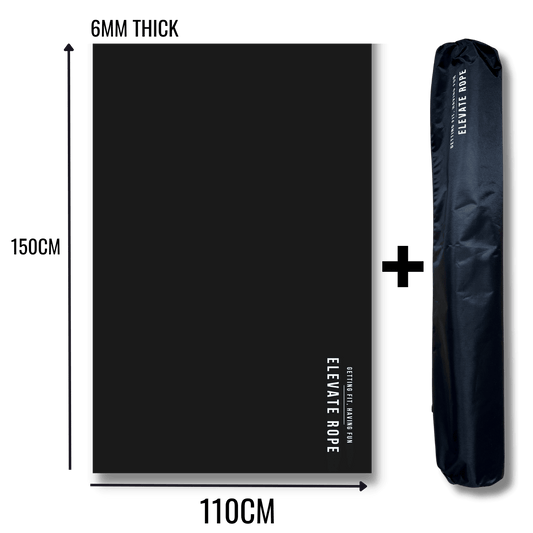
The Elevate Jump Rope Mat (150 × 110 cm) provides a dedicated surface to consider. Check your available space and preferred movements before choosing it.
Short answer: A stable jump rope mat can help protect flooring and reduce direct rope abrasion.
Why it matters: A more consistent training surface may make regular practice easier.
Best next step: Measure your space and compare the mat's construction with your needs.
7. Jump Rope Surface Comparison: Which One Should You Choose?
Here is a quick comparison of the most common training surfaces.
| Surface | Main advantage | Main drawback | Best use |
| Concrete | Firm and widely available | Hard and potentially abrasive | Short sessions on smooth, dry ground |
| Natural grass | Convenient outdoor option | May hide holes or slippery soil | Gentle practice on level lawns |
| Wooden sports floor | Often smooth and predictable | Construction and grip vary | Indoor training where permitted |
| Household wood or laminate | Easy to access at home | Potential scuffs, noise, or slipping | Careful home practice |
| Rubber gym flooring | Can offer grip and cushioning | Soft or loose tiles may shift | Regular training on secure flooring |
| Jump rope mat | Defines a dedicated training area | Requires correct size and stability | Protecting floors and supporting a consistent setup |
There is no perfect jump rope surface for everyone. Your available space, footwear, exercise intensity, and comfort influence the right choice.

When in doubt, favour stability over extra softness. You can always change locations as your technique improves.
8. Does Your Training Surface Affect Rope Wear?
Yes. Your jump rope touches the ground during normal rotations. Repeated contact can gradually wear the outer material, especially on rough surfaces.
Beaded ropes
A beaded rope uses individual plastic beads around a central cord. Those beads may scrape against the ground as you practise. Inspect them for cracks, rough edges, and excessive wear.
PVC speed ropes
Flexible PVC cables can wear down where they repeatedly strike rough paving. Look for abrasion, cuts, and changes in cable shape. Replace damaged equipment when needed.
Weighted ropes
Weighted rope designs differ in cable thickness and construction. Their surface needs depend on the specific material. Follow product guidance and inspect wear regularly.
Four ways to reduce unnecessary rope wear
- Clear grit and sharp stones before jumping.
- Use smooth, stable ground when practical.
- Check beads and cables before each session.
- Store the rope properly and replace damaged parts.
For more care tips, read how to extend the life of your jump rope.
Your rope needs simple maintenance, not a complicated routine. A quick inspection protects your next session from avoidable surprises.
9. How to Set Up a Jump Rope Space at Home
You don't need to turn your entire home into a gym. A clear, stable area may be enough for basic skipping.
Step 1: Clear the area
Check the floor and overhead space. Move chairs, boxes, cords, and anything else your rope might strike. Avoid ceiling fans and low-hanging lights.
Step 2: Check your shoes
Choose secure athletic shoes with reliable traction. Make sure they don't slip when you shift your weight. Inspect the soles for dirt or excessive wear.
Step 3: Lay down a mat if needed
Place it on a clean, stable floor. Smooth out curled corners. The mat should stay flat when you step, turn, and jump.
Step 4: Check your rope length
Stand on the middle of the cable. Compare handle height as a starting point. Adjust the rope for your body and technique. Our jump rope length guide explains the process.
Step 5: Warm up and test
Begin with easy marching and controlled leg movements. Then try several slow turns and low basic jumps. The NHS warm-up guidance offers a useful starting routine.
Test your setup with a few small jumps before beginning.
If the surface slips, shifts, or feels uncomfortable, stop and adjust your location. Learning the basic jump rope techniques can also make your first sessions more manageable.
10. Can You Jump Rope in an Apartment?
Apartment workouts introduce another challenge: noise. Landings can transmit vibration through floors, even when the rope barely touches down.
Can a mat make skipping quiet?
Some mats reduce contact sounds. They do not necessarily stop vibration travelling through the building. The result depends on the mat, the floor, and your technique.
Do not assume a mat makes every workout silent.
Choose a considerate time
Daytime practice may be more suitable than late-night jumping. Follow building rules and respect neighbours. If the floor vibrates noticeably, look for another space.
Practise without jumping when needed
You can work on footwork patterns, marching, and shadow-rope timing without leaving the ground. These exercises don't fully replace rope skipping, but they support coordination.
For more practical ideas, see our guide to jump rope in an apartment.
Short answer: Indoor skipping can work when space, flooring, and noise conditions are appropriate.
Why it matters: A workable setup supports your routine without unnecessary disruption.
Best next step: Test a few gentle movements before committing to a full session.
11. A Simple 10-Minute Jump Rope Surface Test
Not sure whether your chosen location works? Use this ten-minute check to assess your training surface before a longer workout.
| Time | Activity | What to check |
| 0:00–2:00 | Inspect the space | Hazards, grip, and clearance |
| 2:00–4:00 | Gentle warm-up | Footing and stability |
| 4:00–5:00 | Slow rope turns without jumping | Cable clearance |
| 5:00–7:00 | Short basic-bounce attempts with rest | Comfort and traction |
| 7:00–8:00 | Gentle side steps | Mat or surface stability |
| 8:00–10:00 | Cool down and inspect your rope | Wear and overall comfort |
This isn't a fitness challenge. It's a practical safety and comfort check. Stop if the surface feels slippery, uneven, or unstable.
If you experience pain, dizziness, or unusual discomfort, end the session. Choose another surface or seek appropriate medical advice when symptoms persist.
Final Thoughts: Choose a Surface That Helps You Keep Showing Up
You don't need a perfect gym to start using a jump rope. You need a practical space that feels stable and lets your rope rotate freely.
Concrete may be convenient, but it is hard and abrasive. Grass may feel softer, but hidden bumps can interfere with landing. Wooden floors and rubber flooring can work when their grip and stability are suitable.
A dedicated mat may help protect your floor or reduce direct rope abrasion. It remains optional, not a substitute for good technique.
Start with a safe space. Practise small, controlled jumps. Adjust when needed. The best workout setup is the one that helps you return consistently.
Together We Elevate.
Frequently Asked Questions
What is the best surface for jump rope beginners?
A flat, stable, non-slip surface is a practical starting point for jump rope beginners. Firm rubber gym flooring or a secure exercise mat may suit many people. Check that the area has enough overhead clearance. Start with short intervals and supportive shoes. Comfort and stability matter more than extra softness.
Is jumping rope on concrete bad for your knees?
Concrete is very firm and may feel uncomfortable during repeated landings. It does not automatically cause knee problems, but a harder training surface can increase impact demands. Begin with small jumps, suitable shoes, and modest training volume. Stop if pain develops. Consider a more forgiving surface when available.
Can I jump rope on grass or artificial turf?
You can jump rope on short, level, dry grass when the ground feels stable. Inspect for hidden holes or bumps first. Artificial turf varies by base, pile, and infill. Test your traction and how freely the rope moves. Avoid wet, slippery, or uneven areas, especially during faster footwork.
Do I need a jump rope mat for home workouts?
No, a jump rope mat is not necessary for every workout. It can be useful when protecting household floors or reducing contact with rough paving. Choose a stable, non-slip mat large enough for your movements. It cannot guarantee injury prevention or eliminate noise. Check the surface underneath it, too.
Can I use a yoga mat or carpet for skipping?
Some yoga mats and thick carpets are too soft, narrow, or unstable for repeated jumping. Your shoes may catch or the material may move underfoot. A secure, low-pile surface might be more manageable. Test traction carefully. If the surface shifts or interferes with rotation, choose a firmer alternative.
Will a jump rope mat protect my rope and wooden floors?
A suitable mat can limit direct rope contact with rough ground or delicate flooring. That may reduce abrasion and scuffing. Results depend on the mat material, rope construction, and how you train. Inspect the mat for movement and check the rope for wear. A mat provides support, not a guarantee.
About Elevate Rope
Elevate Rope helps people turn movement into a repeatable habit. We make jump ropes and practical training resources for beginners and experienced jumpers. Our approach focuses on small wins, steady progress, and keeping the promises you make to yourself.