





Learning how to stay fit while traveling is less about willpower and more about method. The gym you rely on at home is gone. Your schedule bends around flights, meetings, and unfamiliar time zones. Most people do not quit the road because they are lazy. They quit because the whole routine was built around a place they left behind.
There is a simpler way to think about this. You do not need a hotel gym or a spare hour. You need a plan that fits in your bag and survives a bad day. This guide sits inside our wider hub on training anywhere. Read it, then carry one small habit onto your next trip.
The goal is not a perfect trip. It is a kept promise, repeated, no matter where you wake up.

What you'll learn
Why your travel routine breaks when the venue disappears
How to protect weekly movement without chasing perfect workouts
Which simple tool makes training easier to pack
When to use your hotel room instead of the hotel gym
What to do when flights, meetings, or plans fall apart
How to train around small spaces, low ceilings, and neighbours
The packing system that keeps fitness independent from the trip
Road rule: Do not build your routine around a place you might not have.
Travel does not just interrupt training. It removes the three things a routine leans on at once. You lose your usual space. You lose your usual time. Your usual equipment stays at home too. Take all three together and most plans quietly collapse.
The research is blunt about it
Frequent travellers tend to move less and weigh more. One large analysis of business travellers found higher body mass index and worse self-rated health as nights away rose. A separate study at Emory linked frequent trips with higher body fat and more belly fat. The pattern holds across different datasets.
You are not imagining the slump. It is measurable, and it is common. Surveys put numbers on it too. Only about two in ten business travellers exercise regularly on the road. Almost half manage it sometimes. The rest rarely find the time at all.
None of this is a character flaw. It is a design problem. Your home routine had a venue, and the venue vanished. Fix the design and the drift stops.
Short answer: Travel breaks fitness because it removes your space, time, and equipment.
Why it matters: Frequent travel is linked with higher body fat and lower self-rated health.
So the drift is real, not imagined.
Best next step: Stop relying on the venue. Start with our hotel room jump rope workout.
Rule 2: Protect Minutes, Not Perfect Sessions
Road rule: Your weekly movement total matters more than one perfect workout.
Here is the reframe that changes everything. Stop chasing the exact workout you do at home. Start protecting a weekly minimum you can hit anywhere. That single shift is how most people stay fit when the schedule turns hostile.
The target that travels
The World Health Organization suggests 150 to 300 minutes of moderate activity, or 75 to 150 minutes of vigorous activity, per week. You can bank that total in small pieces. Ten minutes before a meeting counts. A short room workout counts. Every honest bout adds up.
This matters on the road because long, tidy sessions rarely happen. You almost never get a clean hour. You do get scattered gaps. Fill those gaps and the week still adds up to real training.
Short answer: Protect a weekly activity minimum instead of one fixed workout.
Hit it in small bouts wherever you are.
Why it matters: Health guidance rewards total weekly minutes.
Short sessions still count on the road.
Best next step: Pick one anchor habit for your next trip.
When nothing else fits, do a short jump rope block.
Rule 3: Pack One Tool That Always Works
Road rule: The best travel fitness tool is the one you actually pack.
If fitness has to fit in a bag, most gear fails the test. Dumbbells are out. A treadmill is a fantasy. Bands slip and wear through. A jump rope wins on the exact metrics that matter when you travel light.
Why a jump rope beats the alternatives
A jump rope weighs about 100 grams and coils into a side pocket. It needs no power, no app subscription, and no booking desk. You can use it on a balcony, in a car park, or along a quiet corridor. Setup takes seconds, not minutes.
Some fitness tools become more expensive once the app subscription starts. A rope keeps the setup simple.
It also earns its place on results. A 2025 trial tested interval rope skipping in people short on time. It proved a time-efficient way to build cardiovascular fitness. Research has shown jump rope can support cardiovascular gains in less time than longer steady cardio. That is the traveller's core problem solved with one light tool.
| Travel fitness option | Packs in a bag | Setup time | Space needed | Works in any weather |
| Jump rope | Yes, about 100 g | Seconds | Less than you think | Indoors or out |
| Hotel gym | No | Depends on the venue | Fixed location | Venue only |
| Bodyweight only | Yes | Seconds | Floor space | Indoors |
| Resistance bands | Yes | Seconds | Small | Indoors or out |
| Running shoes | Bulky | Minutes | Open streets | Weather dependent |
Beginner or already jumping
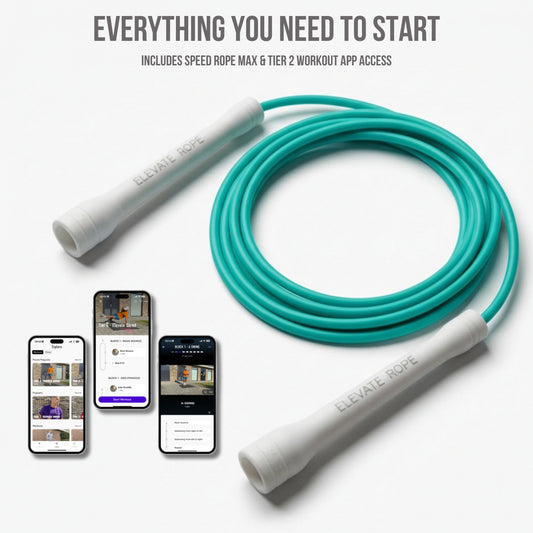
Your starting rope depends on where you are now. New to skipping? A beaded rope like the Dignity Beaded Rope is the gentlest entry. The beads give feedback you feel through your hands and arms, so your timing sharpens fast. Already jumping? A speed rope like the Speed Rope MAX suits intervals and double unders in a small space.
Both fit a travel bag with room to spare. The choice is about your level, not your luggage. We line up the exact travel picks in our guide. That way you can match the rope to your trips before you pack.
Short answer: A jump rope is one of the easiest travel fitness tools to pack.
It sets up fast and works almost anywhere.
Why it matters: It supports short, efficient cardio sessions.
Best next step: Match the rope to your level with our best jump rope for travel guide.
Then pack it first.
Rule 4: Use Hotel Rooms Before Hotel Gyms
Road rule: Your room is more reliable than the hotel gym.
A routine only helps if it survives contact with a real trip. Keep it short. Make it flexible. It should hold up on your worst day, not just your best one.
A 15-minute hotel-room template
You can train hard in the space beside a hotel bed. Warm up with easy bouncing for two minutes. Then run five rounds of thirty seconds of jumping and thirty seconds of rest. Finish with a slow two-minute cool down and some light stretching.
That is fifteen minutes from start to finish. No lift down to a gym. No queue for a machine. A jump rope and a patch of floor is the whole setup.

Rule 5: Shrink the Session When the Day Falls Apart
Road rule: When the plan breaks, make the session smaller.
Some days the plan simply dies. A flight slips. A meeting overruns. Dinner runs late. On those days, do not skip. Shrink.
Three minutes with a jump rope beats zero every time. Knowing how to stay fit while traveling means keeping the streak alive, even at its smallest.
Fit it around the day
Mornings are the safest slot on a trip. Nothing has gone wrong yet. Jump before the emails start and the day cannot steal it. When mornings are impossible, a layover or a gap between meetings works too.
If the airport allows it, choose an open area away from foot traffic. If not, use fast-feet drills or a short walk instead. Even ten minutes protects the week.
Rule 6: Respect Space, Ceilings, and Neighbours
Road rule: Train in a way that fits the room you are actually in.
You need far less room than you expect. A clear patch of floor with a little clearance overhead is enough.
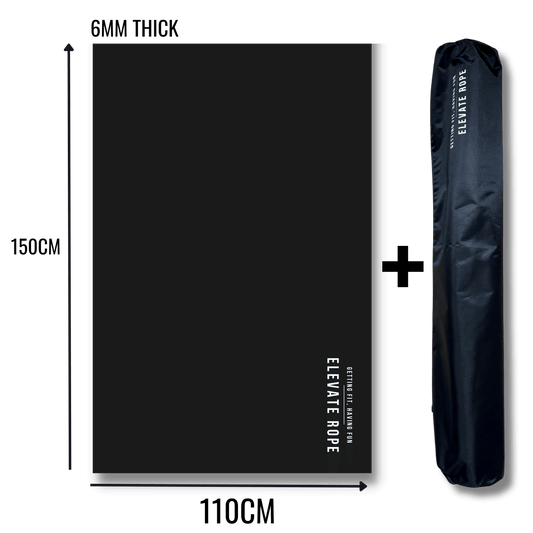
Facing a low ceiling? Swap full jumps for fast feet and side steps. Training in a flat or shared space? Land softly, stay on the balls of your feet, and use a mat when possible.

For flats and shared walls, our guide to quiet, small-space training keeps the neighbours happy.
Rule 7: Pack So Fitness Never Depends on the Trip
Road rule: Your training should not need anything the trip might not provide.
The one-bag mindset is simple. A rope, trainers, and a change of clothes cover almost every scenario. Everything else is a bonus, not a requirement.
This mindset removes the excuse before it forms. There is no missing kit and no closed gym to blame. The rope is always in the bag, so the session is always on the table.
We show the full carry-on kit in our one-bag fitness setup. It clears security without fuss and leaves room for actual holiday things. To keep the whole system in view, return to the train anywhere hub whenever you plan a trip.
Frequently Asked Questions
Do I really not need a gym to stay fit while traveling?
No, you do not. A weekly minimum of activity matters far more than the venue. A jump rope, a few bodyweight moves, and brisk walking cover the basics in any room.
How much exercise should I aim for on the road?
Aim for the standard target of 150 to 300 minutes of moderate activity a week. Vigorous sessions can use a lower weekly target. Break it into small bouts. Ten minutes here and there still counts toward the total.
Is a jump rope allowed in carry-on luggage?
In most cases, yes. It is a soft item with no blades or batteries. Rules vary by airline, so check the details in our guide on bringing a rope on a plane.
How much space do I need to jump rope in a hotel?
Less than a parking bay. A small clear patch of floor with some overhead clearance is plenty. Fast-feet drills shrink the space you need even further.
What is the best jump rope for frequent travel?
It depends on your level. Beginners suit a beaded rope for the extra feel. Experienced jumpers prefer a speed rope for intervals. Our travel rope guide compares the options.
Can I train in a quiet flat without annoying neighbours?
Yes. Land softly, stay on the balls of your feet, and use a mat under your rope. Swapping big jumps for fast feet lowers the noise even more.
What if my schedule falls apart mid-trip?
Shrink the session, do not skip it. Three minutes with a jump rope keeps the habit alive. Consistency beats intensity when you are travelling.
Your Next Step, Based on Where You Are
Where you go next depends on where you are now. New to skipping? Start gentle. A beaded rope gives you feedback through your hands and arms while your timing settles. Pair it with the 15-minute hotel-room template and keep every session short.
Already jumping? A speed rope handles intervals and double unders in a tight room. Build your travel kit around it using the one-bag setup. The rope goes in first, and the rest follows.
Not sure which rope fits your trips? Compare them in our best jump rope for travel guide. Then return to the train anywhere hub to map the rest of your plan. The goal is not a flawless trip. It is a kept promise, repeated, wherever you land.
Sources
- Harvard Business Review, on the measured health effects of frequent business travel
- Emory University, study linking frequent business travel with higher body fat and obesity risk
- BCD Travel, on how few business travellers exercise regularly on the road
- World Health Organization, guidelines on physical activity and sedentary behaviour
- European Journal of Clinical Nutrition, on interval rope skipping as time-efficient cardio training