






Sitting all day weight gain is one of the most misunderstood problems in modern health — and the standard advice about eating less and moving more doesn't even come close to explaining what's actually happening. You're doing the diet. You're tracking the calories. You've cut the sugar, tried the meal prep, maybe done a few weeks of the gym. And yet the number on the scale keeps creeping up, or stubbornly refuses to move. This isn't a willpower problem. It's a physiology problem — and your desk is at the center of it.
The average office worker sits for more than 10 hours per day when you add up the commute, the workday, and the evening on the sofa. At that level of sedentary time, the human body undergoes measurable changes that directly undermine every calorie-cutting strategy you try. Researchers at the University of Missouri found that just a few hours of inactivity is enough to begin suppressing lipoprotein lipase, the enzyme your body uses to break down fat from the bloodstream. You can eat the most pristine diet in the world and still store more fat if your body spends most of the day switched off.
This article is about understanding exactly what prolonged sitting does to your metabolism, your hormones, and your appetite, so you can stop blaming yourself and start solving the actual problem. You'll also find out why a 10-minute daily jump rope habit addresses these mechanisms directly — not as a magic fix, but as a targeted physiological intervention that diet alone can never replicate.
What you'll learn in this article:
→ Why sitting suppresses the enzyme your body needs to burn fat, regardless of what you eat→ How your body's "non-exercise activity thermogenesis" (NEAT) collapses when you work at a desk→ The hormonal cascade — insulin resistance, cortisol, and leptin — that sitting triggers over time→ Why conventional diets create the illusion of progress while leaving the metabolic problem intact→ The specific role of jump rope as a metabolic reset that takes less than 10 minutes a day→ A practical comparison of calorie burn across the most common desk-worker exercise strategies→ Where to start if you've been sedentary for months or years and feel like your metabolism is broken
Your Body Wasn't Designed for This — The Science Behind Sitting and Fat Storage
For most of human history, the body's default state was movement . Farming, foraging, building, walking between places — rest was a recovery state, not a baseline. The body's metabolic machinery evolved for a world where prolonged inactivity was rare and temporary. Modern desk work has inverted that completely. You now spend the majority of your waking hours in a physiological state the body interprets as a kind of suspended animation.
When you sit for extended periods, several things happen in sequence. Muscle electrical activity drops to near zero in the legs and core. Blood flow slows. Lipoprotein lipase (LPL), the enzyme responsible for pulling fat molecules out of the bloodstream so cells can use them for energy, drops dramatically in activity. A landmark study published in Diabetes found that sedentary time was independently associated with metabolic syndrome markers — even after controlling for exercise frequency. Meaning: people who exercised for 30 minutes in the morning but sat for the remaining 8–10 hours showed similar metabolic markers to people who didn't exercise at all.
This is the part the diet industry rarely tells you. The problem is not purely caloric. It's enzymatic, circulatory, and hormonal. A diet can restrict what goes in, but it cannot turn the metabolic machinery back on if the signal — movement — is absent.
The NEAT Collapse: Where Most of Your Calorie Burn Actually Comes From
Most people assume that formal exercise is the primary driver of their daily energy expenditure. It isn't. For non-athletes, non-exercise activity thermogenesis (NEAT) — the calories burned through everything you do that isn't sleeping, eating, or deliberate exercise — accounts for 15 to 50% of total daily energy expenditure, according to research by Dr. James Levine at the Mayo Clinic. NEAT includes walking between rooms, fidgeting, standing, carrying groceries, gesturing when you talk. Small things that add up to hundreds of calories per day.
When you work at a desk, NEAT collapses. You're not walking to colleagues' desks, You're not going to a lunch location and You're not moving between tasks. Studies suggest that highly sedentary individuals can burn 300 to 700 fewer calories per day than their physically active counterparts — even accounting for body size. That gap is enormous. And crucially, a 45-minute gym session does not make it up. It adds roughly 300–400 calories of burn but leaves the 10-hour NEAT deficit entirely untouched.
This is why desk workers who "go to the gym" often find it underwhelming for weight management. Their formal exercise is real, but it's an island of movement in an ocean of stillness. The math simply doesn't work.
Understanding our comprehensive guide on jump rope for desk workers and sedentary lifestyles gives you the full picture of how to structure movement for a sitting-heavy workday.
Short answer: Sitting all day suppresses the enzyme that clears fat from your bloodstream, collapses your NEAT calorie burn by 300–700 calories per day, and creates metabolic conditions that dietary restriction alone cannot correct.
Why it matters: If you're dieting without addressing your sedentary time, you're fighting half the battle. The physiological effects of prolonged sitting are independent of calorie intake, which means two people eating identical diets can have dramatically different body composition outcomes based on how much they move throughout the day.
Best next step: Start with movement that breaks up your sitting time — not just movement that happens once in the morning. Even a 10-minute jump rope session mid-day reactivates LPL, spikes your heart rate, and begins reversing the metabolic suppression that sitting creates.

The Hormonal Trap: Why Sitting Rewires Hunger, Stress, and Fat Storage
Beyond the enzymatic effects, sustained sedentary behavior disrupts three hormonal systems that directly govern whether your body gains or loses fat: insulin sensitivity, cortisol regulation, and leptin signaling. Understanding these three mechanisms explains why desk workers often feel hungrier than they should, carry weight in the abdomen specifically, and find that even strict dieting produces minimal visible results.
Insulin Resistance and the Blood Sugar Spiral
Physical activity is one of the primary drivers of insulin sensitivity — the body's ability to move glucose from the bloodstream into cells efficiently. When muscles contract regularly, they express a protein called GLUT-4 that helps transport glucose into muscle tissue, reducing the insulin load required for the same task. Sedentary behavior suppresses this process. The result, over time, is that your pancreas has to produce progressively more insulin to handle the same carbohydrate load.
High circulating insulin doesn't just manage blood sugar — it also directly promotes fat storage, particularly visceral fat around the abdomen. Visceral fat is metabolically active in the worst possible way. It releases inflammatory cytokines and further worsens insulin sensitivity, creating a cycle that a calorie-restricted diet alone cannot interrupt. A study published in the European Journal of Applied Physiology demonstrated that breaking up sitting time with even low-intensity movement significantly improved postprandial blood glucose and insulin levels — effects that a single morning exercise session failed to provide throughout the day.
Cortisol: Why Desk Stress Makes You Store More Fat in Exactly the Wrong Place
Desk work is cognitively and emotionally taxing. Deadlines, emails, decisions, performance pressure — all of these are experienced as psychological stressors that activate the hypothalamic-pituitary-adrenal (HPA) axis. The result is chronically elevated cortisol. Cortisol in short bursts is useful. Cortisol chronically elevated over months and years drives abdominal fat deposition, increases appetite for calorie-dense foods (particularly carbohydrates and fats), and suppresses the prefrontal cortex processes that enable long-term thinking — which is precisely the neural machinery you need to stick to a diet.
Physical exercise is one of the most powerful cortisol regulators available without medication. But the exercise has to be the right kind, at the right duration. Short, intense bouts of cardio — like a 10-minute jump rope session — produce acute cortisol spikes that then normalize and drop below baseline within 30–60 minutes post-exercise. That recovery drop is where the long-term cortisol-regulating benefit comes from. An hour-long moderate run keeps cortisol elevated for longer and provides less of the acute-to-recovery benefit. For desk workers specifically, shorter, more intense sessions are physiologically superior for managing the cortisol-driven fat storage pattern.
Leptin Resistance: When Your Brain Stops Hearing "I'm Full"
Leptin is the satiety hormone produced by fat cells that signals to the hypothalamus that the body has sufficient energy stores and doesn't need more food. In a healthy system, more body fat means more leptin, which means reduced appetite. In people with high visceral fat accumulated through sedentary lifestyles, this feedback loop breaks down. The brain becomes progressively less sensitive to leptin signals — a state called leptin resistance — meaning appetite stays elevated even when the body has abundant stored energy. This is why desk workers often feel genuinely hungry even after meals, and why restricting calories feels brutal and unsustainable. The hunger isn't imaginary or weak willpower. It's a hormonal signal failure driven by the same sedentary-visceral-fat cycle.
Short answer: Sitting creates insulin resistance, chronically elevates cortisol, and triggers leptin resistance — three hormonal effects that independently increase fat storage, drive hunger, and make dietary restriction feel impossible.
Why it matters: You can restrict calories perfectly and still gain weight if your hormonal environment is pushing in the opposite direction. These aren't lifestyle factors you can think your way out of; they require physical movement as the physiological signal to reverse them.
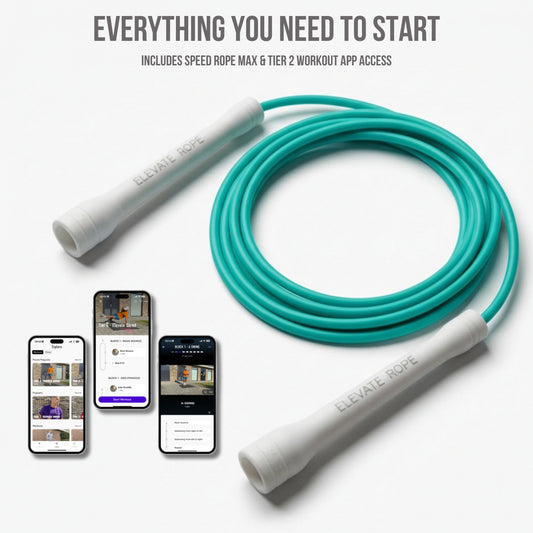
Best next step: Short bursts of high-intensity movement — specifically the kind that recruits large muscle groups and elevates heart rate rapidly — are the most efficient hormonal reset available. The Speed Rope MAX is ideal for this purpose, delivering a genuine cardiovascular challenge in as little as 8–10 minutes.

Why Diets Fail Desk Workers Specifically — The 5 Mechanisms Working Against You
Diets are not inherently broken. They fail desk workers at a higher rate because they address the caloric input side of the equation while the sedentary lifestyle systematically degrades the output side. Here are the five specific mechanisms that make the combination of desk work plus calorie restriction particularly ineffective:
1. The Adaptive Thermogenesis Problem
When you restrict calories without maintaining or increasing physical activity, your body responds by lowering its basal metabolic rate — a process called adaptive thermogenesis. This is the body's starvation defense mechanism. A 2014 study in Obesity followed participants from the TV show "The Biggest Loser" and found that metabolic adaptation was substantial and persistent, lasting years after the diet ended. For desk workers whose activity level is already depressed, calorie restriction without movement accelerates this adaptation, leaving them burning significantly fewer calories at rest than they did before the diet began.
2. Muscle Loss Compounding the Problem
Extended sitting weakens postural muscles and reduces overall muscle mass over time. Since muscle tissue burns approximately three times more calories at rest than fat tissue, this gradual loss further reduces resting metabolic rate. Combined with adaptive thermogenesis, a year of desk work without resistance or high-intensity exercise can meaningfully lower the number of calories your body uses just to maintain itself — making the same diet progressively less effective over time.
3. Diet-Driven Hunger Amplification
Calorie restriction increases ghrelin — the hunger hormone — and for desk workers whose stress and cortisol levels are already high, this creates a compounding appetite signal that is genuinely physiologically difficult to resist. This isn't weakness. It's two hunger amplifiers operating simultaneously: the diet-driven ghrelin spike and the cortisol-driven appetite for calorie-dense foods. The combination produces intense, persistent food cravings that gradually erode dietary adherence even in highly motivated individuals.
4. The Compensatory Sitting Effect
Research published in Current Biology found that moderate-intensity exercise — the kind most people do to complement a diet — can be partially negated by compensatory increases in rest and reduced fidgeting afterward. The body's energy balance system is more dynamic than a simple calories-in/calories-out ledger. For desk workers who already sit most of the day, this compensatory suppression of NEAT after exercise means the net benefit of their workout is smaller than expected.
5. Sleep Disruption and the Late-Night Eating Trap
Prolonged sitting is associated with poorer sleep quality, and sleep deprivation is one of the most potent dietary saboteurs known. Even a few nights of reduced sleep measurably increases appetite, specifically for carbohydrate-rich foods, and reduces the satiety effect of eating. Desk workers in cognitively demanding jobs frequently report difficulty winding down, which perpetuates the poor-sleep-heightened-appetite cycle. No diet designed in isolation can override chronic sleep disruption at the hormonal level.
| Strategy | What It Addresses | What It Misses | Effectiveness for Desk Workers |
| Calorie restriction only | Caloric input | LPL suppression, NEAT collapse, insulin resistance, adaptive thermogenesis | Low long-term |
| 1× morning gym session | ~300–400 kcal burn | 8–10 hrs of metabolic suppression remaining; no NEAT recovery | Moderate |
| Walking breaks during day | NEAT recovery, blood flow | Insufficient intensity for hormonal reset; minimal muscle recruitment | Moderate-good |
| 10-min jump rope sessions (1–2×/day) | NEAT, LPL reactivation, cortisol normalization, insulin sensitivity, cardiovascular output | Not a full strength training replacement | High |
| Diet + daily jump rope habit | Caloric input AND metabolic output | None — addresses all 5 mechanisms | Highest |

Jump Rope as a Metabolic Reset: Why 10 Minutes Does What an Hour on a Treadmill Cannot
A frequently cited study from the American Heart Association found that 10 minutes of daily jump rope improved cardiovascular fitness more effectively than 30 minutes of jogging over a six-week period. Arizona State University research reached similar conclusions. But beyond the cardiovascular comparison, jump rope has specific properties that make it uniquely suited to reversing the metabolic damage of a sedentary lifestyle.
Full-Body Muscle Recruitment
Running primarily recruits the lower body. Jump rope requires coordinated engagement of the calves, quads, hamstrings, glutes, core, shoulders, and forearms simultaneously. This full-body recruitment means that more muscle tissue is working at once, which translates directly to greater LPL activation, higher GLUT-4 expression, and a stronger insulin sensitivity signal per minute of exercise compared to lower-body-dominant activities.
Intensity Without Duration
The metabolic benefits of exercise — particularly insulin sensitivity improvement and post-exercise oxygen consumption (the "afterburn" effect) — are strongly correlated with exercise intensity, not just duration. Jump rope achieves heart rates in the 130–170+ bpm range within 90 seconds for most adults. That rapid intensity spike, even in a 10-minute session, creates a metabolic disturbance that running at a moderate pace for 30 minutes often doesn't match. For desk workers with limited time, this intensity-to-time ratio is a decisive advantage.
The Frequency Advantage
One of the most undervalued aspects of breaking up sedentary time is frequency. Research in the Journal of Science and Medicine in Sport found that multiple short activity breaks throughout the day produced greater improvements in blood glucose and triglyceride levels than a single longer session of equivalent total work. Jump rope is uniquely positioned for this because a speed rope folds to pocket size and can be used in any room with a 2.5-metre ceiling. The ability to do 5–10 minutes at lunch, 5–10 minutes after dinner, creates two metabolic reactivation windows instead of one — addressing the sedentary problem at multiple points throughout the day rather than offsetting it with a single morning session.
For beginners returning to exercise after an extended sedentary period, the → Dignity Beaded Rope is the most forgiving starting point. Its bearing-free design maintains consistent spin regardless of technique, and the auditory tick-tick-tick feedback helps you find rhythm without frustration. For those ready for higher intensity, the → Gravity Heavy Rope adds resistance that amplifies calorie burn and muscle recruitment per session.
Short answer: 10 minutes of jump rope reactivates fat-burning enzymes, spikes and then normalizes cortisol, improves post-meal insulin sensitivity, and creates a cardiovascular response equivalent to 30 minutes of moderate jogging — in a fraction of the time and with no gym required.
Why it matters: The goal isn't to work harder. It's to apply the right physiological stimulus at the right moment. Two 10-minute jump rope sessions placed strategically throughout a desk workday address sitting-induced metabolic suppression more effectively than a single 45-minute gym session.
Best next step: Start with one session per day. It doesn't need to be long. Use the free Elevate App — 100+ guided workouts, all under 20 minutes — to take the thinking out of it. This is the system, not a suggestion.

The Calorie Burn Gap: How Much Your Desk Job Is Actually Costing You
It's useful to put specific numbers to the metabolic gap created by sedentary work, because it makes visible what abstract descriptions of LPL and NEAT collapse do not. These figures are drawn from established metabolic research and provide a realistic estimate for an 80 kg adult.
| Activity Level | Estimated Daily NEAT Burn | Weekly NEAT Deficit vs. Active | Monthly Calorie Gap |
| Very active job (construction, retail, etc.) | 500–800 kcal | Baseline (0) | — |
| Moderately active (standing desk, regular breaks) | 300–500 kcal | ~1,400–2,100 kcal | ~6,000–9,000 kcal |
| Desk worker, sits 8–10 hrs (no deliberate breaks) | 100–200 kcal | ~2,100–4,200 kcal | ~9,000–18,000 kcal |
| Desk worker + 2×10 min jump rope daily | +400–500 kcal added back | Gap reduced by ~2,800–3,500 kcal/week | Equivalent to ~0.5–0.7 kg/month shifted |
The numbers in this table explain why so many desk workers describe feeling like they are "maintaining" or slowly gaining weight despite eating reasonably. A NEAT deficit of 300–600 calories per day — which is entirely normal for a sedentary office job — adds up to over 100,000 calories per year. That's more than 13 kg of fat stored by inactivity alone, before a single dietary choice is considered.
The goal isn't to replicate an active job through sheer willpower. The goal is to strategically insert high-yield movement into the existing structure of a desk day — and a jump rope is one of the most calorie-efficient tools available for doing that. For those focused on maximizing calorie expenditure specifically, the → Gravity Heavy Rope adds meaningful resistance that increases energy expenditure per session compared to a standard speed rope.
For deeper context on why jump rope outperforms other common desk-worker exercise choices on this metric, see the comparison in our article on jump rope for weight loss.

Where to Start When Your Metabolism Feels Broken
One of the most common things desk workers say after years of sedentary work and failed diets is that their metabolism feels permanently damaged. It doesn't feel slow — it feels switched off. The research suggests that with the right stimulus, significant metabolic recovery is possible. But the approach has to match the physiological reality of where you're starting from.
Week 1–2: Reactivation, Not Performance
The goal in the first two weeks is not fitness. It's nervous system reactivation, joint preparation, and rhythm acquisition. Three sessions of 5–7 minutes on alternating days. Rest between rounds. Don't count jumps. Don't time anything. Just move. The → Dignity Beaded Rope is purpose-built for this phase. The weighted beads create a forgiving arc that gives you time to react, and the consistent ticking sound provides rhythm feedback that makes coordination intuitive rather than frustrating. Many people who "can't jump rope" discover within a week that their problem was the rope, not them.
Week 3–4: Building the Habit Architecture
Once the basic movement pattern feels natural, extend sessions to 8–10 minutes and begin attaching them to existing habits. Immediately after lunch. Just before the end of the workday. The habit-stacking approach — placing jump rope adjacent to an existing automatic behavior — dramatically reduces the friction of getting started. At this point you're also beginning to rebuild insulin sensitivity and LPL activity in a meaningful way. You may notice less post-lunch energy slump, better focus in the afternoon, and slightly reduced appetite for evening snacks. These are not placebo effects; they're hormonal responses to renewed metabolic activity.
Week 5 and Beyond: Progression and the Weight Loss Compound Effect
The physiological groundwork is now laid for calorie restriction to actually work. This is the window where adding dietary structure makes sense — because the hormonal environment has shifted enough to make adherence realistic. Consider the Elevate 26 Challenge, which provides 26 days of structured daily jump rope programming with escalating intensity. The program is specifically designed around the principle of kept small promises building self-trust — which is exactly the identity shift that makes fitness sustainable for people who have broken fitness commitments to themselves before.
The free Elevate App gives you access to 100+ guided workouts that match your current level, removing the decision fatigue that derails most beginning exercisers. Compare that to Crossrope, whose app requires a €150/year subscription — and you'll understand why over 50,000 Elevate Rope customers made the choice they did.

Frequently Asked Questions
Why am I gaining weight even though I'm eating less?
If you sit for most of the day, calorie restriction alone frequently fails because it doesn't address the metabolic suppression caused by sedentary behavior. Prolonged sitting suppresses the enzyme lipoprotein lipase (which clears fat from the bloodstream), collapses your non-exercise calorie burn by 300–700 calories per day, and triggers hormonal changes — elevated cortisol, insulin resistance, leptin resistance — that actively promote fat storage. Eating less reduces what goes in, but without movement, the output side remains physiologically impaired.
How does sitting all day cause weight gain specifically?
Sitting suppresses LPL enzyme activity in your leg and core muscles within hours of inactivity, meaning fat from meals is more likely to be stored than burned. It also dramatically reduces NEAT (non-exercise activity thermogenesis), the calories burned through everyday movement, which can account for 300–700 fewer calories burned daily compared to an active lifestyle. Over months and years, this creates a substantial cumulative caloric surplus even in people eating a moderate diet.
Can 10 minutes of exercise really make a difference if I sit all day?
Research from Arizona State University and the American Heart Association indicates that 10 minutes of jump rope per day improves cardiovascular fitness more than 30 minutes of jogging over a six-week period. The key is intensity and full-body muscle recruitment, which reactivates LPL, restores insulin sensitivity, and produces a post-exercise metabolic uplift that more moderate activities don't match. Two 10-minute sessions placed strategically during the workday address the problem at multiple points rather than a single morning offset.
What is the best exercise for someone who sits at a desk all day and wants to lose weight?
Jump rope is particularly well-suited for desk workers because it achieves high cardiovascular intensity within 90 seconds, recruits the full body (not just the legs like running), and can be done anywhere without equipment beyond a rope. The combination of calorie burn per minute, portability, and the metabolic effects of short frequent sessions makes it more practical and physiologically targeted than gym-based alternatives for someone whose primary problem is sedentary time.
Does my metabolism slow down permanently after years of sitting?
No. While prolonged sedentary behavior causes measurable metabolic adaptation — reduced resting metabolic rate, lower LPL activity, impaired insulin sensitivity — these are functional suppressions, not permanent damage. Research shows that consistent movement, particularly high-intensity exercise, can restore insulin sensitivity within days to weeks and begin reversing metabolic adaptation within 4–8 weeks of consistent training. The body's plasticity in this regard is well-documented in exercise physiology literature.
How do I lose belly fat specifically when I have a desk job?
Visceral abdominal fat in desk workers is primarily driven by chronically elevated cortisol and insulin resistance — both direct consequences of prolonged sitting and psychological work stress. Short, high-intensity exercise (including jump rope) is one of the most studied interventions for visceral fat specifically, because it lowers cortisol over time, restores insulin sensitivity, and creates the acute hormonal conditions that promote fat mobilization from abdominal stores. Dietary strategies alone have a much weaker effect on visceral fat than the combination of calorie moderation plus regular high-intensity movement .
Is jump rope safe if I've been sedentary for a long time and I'm overweight?
Yes, with appropriate progression. Start with the Dignity Beaded Rope, which allows you to learn rhythm and timing at a gentle pace without the whipping speed of a performance rope. Begin with very short sessions — 3 to 5 minutes — and rest frequently. The jump rope mat significantly reduces joint impact and protects hard floors. As your joints, connective tissue, and cardiovascular system adapt over 2–4 weeks, you can progressively extend session length and intensity. Most people who believe they "can't" jump rope find the issue was their previous rope, not their body.
The Real Fix Is Simpler Than Another Diet
If you've tried multiple diets and found them either unsustainable or ineffective, there's a high probability that the problem was never your diet's design — it was the physiological environment your desk job had created before the diet ever started. Prolonged sitting rewires your metabolism at five different levels simultaneously — and no diet is designed to fix any of them.
The solution is not a stricter diet. It's giving your body back the signal it stopped receiving. Movement, Consistent, Brief and Targeted. A 10-minute jump rope habit, done daily, addresses more of the underlying biology than any dietary protocol operating in isolation. It reactivates LPL. It restores insulin sensitivity. It normalizes cortisol. It compounds over time into genuine, lasting metabolic change.
If you're just starting out, the → Dignity Beaded Rope is the right entry point — designed specifically to remove the frustration barrier for people who haven't exercised in a while. If you're ready to go straight into structured programming, the Elevate 26 Challenge gives you 26 days of daily guidance, building the movement habit one kept promise at a time. That's not a slogan. It's the mechanism by which sustainable change actually happens.
Sources
- Hamilton MT, Hamilton DG, Zderic TW. "Role of Low Energy Expenditure and Sitting in Obesity, Metabolic Syndrome, Type 2 Diabetes, and Cardiovascular Disease." Diabetes. 2007. diabetesjournals.org
- Levine JA. "Non-exercise activity thermogenesis (NEAT)." Best Practice & Research Clinical Endocrinology & Metabolism. 2002. sciencedirect.com
- Duvivier BMFM et al. "Breaking sitting with light activities vs structured exercise: a randomised crossover study." European Journal of Applied Physiology. 2017. link.springer.com
- Pontzer H et al. "Constrained total energy expenditure and metabolic adaptation to physical activity in adult humans." Current Biology. 2016. cell.com
- Fothergill E et al. "Persistent metabolic adaptation 6 years after 'The Biggest Loser' competition." Obesity. 2016. onlinelibrary.wiley.com
- Dunstan DW et al. "Breaking Up Prolonged Sitting Reduces Postprandial Glucose and Insulin Responses." Diabetes Care. 2012. care.diabetesjournals.org
- Heydari M, Freund J, Boutcher SH. "The Effect of High-Intensity Intermittent Exercise on Body Composition of Overweight Young Males." Journal of Obesity. 2012. hindawi.com
- Broom DR et al. "Influence of resistance and aerobic exercise on hunger, circulating levels of acylated ghrelin, and peptide YY in healthy males." American Journal of Physiology. 2009. journals.physiology.org
You May Also Like
https://www.elevaterope.com/blogs/home-workout-tips/exercise-at-work-break-room-jump-rope
https://www.elevaterope.com/blogs/home-workout-tips/jump-rope-vs-walking-office-workers
https://www.elevaterope.com/blogs/tips-tricks/quick-workout-before-work
https://www.elevaterope.com/blogs/articles/jump-rope-stress-relief
https://www.elevaterope.com/blogs/articles/best-jump-rope-for-beginners