





What are the best shoes for jump rope? Start with a pair that fits securely, grips your floor, and feels stable during small jumps. For many beginners, comfortable cross-training shoes are a practical choice. Some running shoes work well, too. You may already own everything you need.
Here's the part people overlook.
You can have the right rope, a workout ready, and plenty of motivation. Yet loose or bulky footwear can ruin your rhythm. Perhaps your heel slips. Maybe the sole feels wobbly. Or the rope keeps catching your toes.
The good news? You don't need expensive, specialised footwear to begin. The best jump rope shoes are the ones that suit your feet, your movements, and your training surface.
This guide helps you choose with confidence. We'll compare shoe types, explain seven useful features, and show you how to test your current pair.
What you'll learn:
- Whether you need special shoes for skipping.
- How fit, cushioning, grip, and stability affect your jumps.
- When running shoes or cross-training shoes make more sense.
- Whether barefoot training is right for you.
- Which shoes suit mats, gym floors, and outdoor surfaces.
- How to check your shoes before a workout.
- What footwear can—and cannot—do about discomfort.
1. Do You Need Special Shoes for Jump Rope?
No. Most beginners don't need dedicated jump rope shoes.
A well-fitting pair of athletic shoes is often enough for basic skipping. The label matters less than how the shoes feel when you move.
Think about what happens during a jump rope session. Your feet repeatedly leave and meet the ground. Your ankles, calves, and feet manage each landing. Your athletic shoes are part of that interaction.
Some running shoes feel comfortable for basic jumps. Other pairs have tall, soft soles that feel less steady during lateral footwork. Cross-training shoes often offer a more grounded feel. However, no single design works for everyone.
Start by asking four questions:
- Does the shoe hold my heel and midfoot securely?
- Do I have enough room to move my toes?
- Does the outsole grip my actual training surface?
- Can I jump without pain, rubbing, or a wobbly feeling?
If you answer yes, your current pair may be suitable. You can always reassess as your workouts change.
The takeaway: Choose comfort and control before a particular logo or shoe category.
2. Seven Features to Look for in Jump Rope Shoes
Shopping for jump rope shoes becomes easier when you know what to check. These seven features matter more than the marketing claims on a box.
1. A secure heel and midfoot fit
Your foot shouldn't slide around on every landing. Fasten the laces and walk a few steps. Check for heel lift, rubbing, or pressure across the top of your foot.
The NHS athletic footwear guidance highlights adjustable laces, midfoot support, and adequate toe room. Those are useful starting points for jump rope shoes, too.
2. Comfortable, sensible cushioning
Repeated landings can make some cushioning welcome. Still, more foam isn't automatically better. A very soft, tall shoe may feel unstable to certain jumpers.
Look for cushioning that feels comfortable without making you fight for balance. You should feel confident during gentle hops, not perched above the floor.
3. A stable base
Stand on one foot, then shift your weight gently. Your shoe should feel secure beneath you. Notice whether your foot rolls or drifts unexpectedly.
Stability becomes more noticeable during side steps and freestyle work. This is one reason many people prefer cross-training shoes for mixed movement.
4. Reliable grip
Traction keeps your feet from sliding across the floor. A clean, intact outsole should grip the surface without feeling sticky or unpredictable.
Test grip on the surface you actually use. Gym flooring and exercise mats may respond differently to the same pair of athletic shoes.
5. Natural forefoot movement
Basic skipping involves repeated, controlled movement near the front of your feet. Your jump rope shoes should let you move comfortably without forcing an awkward motion.
Flexibility doesn't mean a shoe should fold everywhere. A design that flexes at the forefoot but supports the midfoot can feel more predictable.
6. Manageable weight and bulk
You don't need the lightest shoe available. But very bulky footwear can make timing and rope clearance more frustrating.
If your toes catch the rope repeatedly, check your technique and rope length first. Then notice whether your shoe shape contributes.
7. Comfort during real jumps
Comfort while standing isn't the full test. Try a few controlled hops before committing to a longer workout. Watch for pressure, slipping, or unusual fatigue.
The American Academy of Orthopaedic Surgeons' fit advice also recommends choosing shoes by fit, not price alone. The same principle applies here.
Quick rule: The right jump rope shoes feel secure, flexible enough, and predictable on your chosen surface.
3. Running Shoes vs Cross-Training Shoes for Jump Rope
This is the comparison most beginners ask about. Both categories can work, but they're built with different movements in mind.
Can you use running shoes?
Yes. Many running shoes feel comfortable during simple, forward-facing jump rope drills. They're a reasonable starting point if you already own a suitable pair.
However, running shoes vary. Some have thick heel cushioning or a pronounced rocker shape. These designs may feel awkward during rapid side steps or freestyle changes.
Don't judge every running shoe by the same rule. Judge the specific pair on your feet.
Why cross-training shoes are popular
Cross-training shoes are designed for varied gym movements. Many have a broader base and a more stable feel for changes in direction.
That can help when your routine includes basic jumps, boxer steps, or side-to-side patterns. Yet cross-training shoes aren't automatically the winner. Choose what feels natural during your actual workout.
| Feature | Running shoes | Cross-training shoes |
| Main design focus | Forward running movement | Mixed gym movements |
| Cushioning | Often more pronounced | Varies, often more balanced |
| Side-to-side feel | Depends heavily on the model | Often feels more planted |
| Basic skipping | Can work well | Can work well |
| Freestyle footwork | Test stability carefully | Often worth considering |
| Best deciding factor | Your comfort and control | Your comfort and control |
Our practical pick: Start with cross-training shoes if you want one pair for varied rope drills. Keep your running shoes if they pass the movement test below.

4. Should You Jump Rope Barefoot or Wear Shoes?
Some experienced jumpers enjoy barefoot skipping or minimalist shoes. They like the direct feel of the floor. Others prefer the comfort and protection of athletic shoes.
Neither choice is automatically right for everyone.
Barefoot training changes the demands on your feet and calves. It also removes the protection of an outsole. A sudden switch may feel tougher than expected.
For beginners, supportive jump rope shoes are usually the simpler place to start. Build basic timing and tolerance before experimenting with less footwear.
If you're curious, read our detailed guide to jumping rope barefoot. It explains the trade-offs and how to approach changes cautiously.
Avoid barefoot jumping on rough ground, cluttered floors, or unfamiliar surfaces. If you have reduced foot sensation, a medical condition, or recurring pain, seek individual guidance first.
5. Are Thick or Heavily Cushioned Shoes Better?
Not necessarily. A thick sole isn't a guarantee of comfort or safety.
Some people love plush running shoes for basic bouncing. Others feel disconnected from the ground. A very soft midsole can also make side-to-side movement feel less controlled.
Try comparing the same gentle jump in two pairs. Which pair helps you land quietly and steadily? Which makes you adjust your balance after each hop?
There isn't one ideal cushioning level for every person. Your foot shape, technique, training load, and floor all matter.
Also, comfortable athletic shoes don't replace recovery. Longer sessions still place repeated demands on your calves and feet. Increase your workload gradually, even when the cushioning feels great.
6. Which Shoes Work Best on Different Jump Rope Surfaces?
Your floor changes how footwear performs. A secure shoe on one surface can feel slippery on another. Match your jump rope shoes to the ground beneath you.
Indoor gym floors
Choose clean athletic shoes with dependable traction. The floor should be flat, dry, and clear of obstacles. Test a few gentle steps before jumping.
Exercise mats
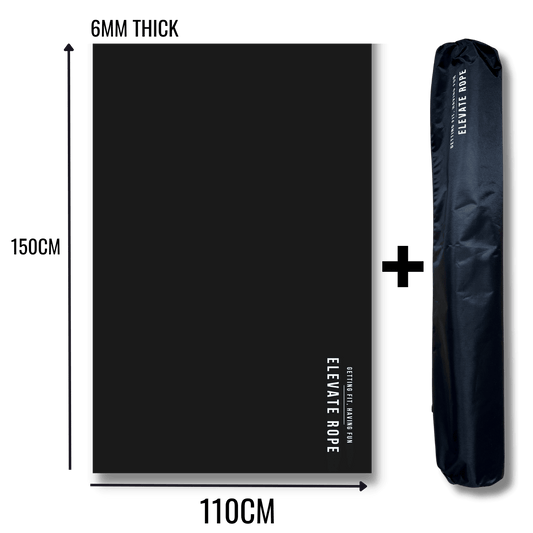
A stable Elevate Jump Rope Mat can define your workout area and protect the rope from some surfaces. Make sure the mat lies flat and doesn't shift.
Your footwear still needs to grip the mat. Check both stability and comfort before starting your interval.

Outdoor pavement
Concrete and pavement are firm, abrasive surfaces. Inspect the area for cracks and loose debris. Comfortable running shoes or cross-training shoes may work, provided their outsoles grip well.
Keep initial sessions short and monitor how your feet and calves respond.
Grass
Grass can hide holes and uneven ground. Moist patches may become slippery. Only consider a level, firm, dry area with enough space for the rope.
Carpet
Thick carpet can slow the rope and make the floor feel less predictable. A stable, flat training surface is generally easier for beginners.
| Surface | Footwear priority | What to check |
| Dry gym floor | Traction and stability | No sliding or debris |
| Flat exercise mat | Secure fit and grip | Mat stays flat |
| Pavement | Comfort and durable outsole | Cracks and abrasive ground |
| Grass | Reliable footing | Hidden uneven spots |
| Carpet | Stable contact | Excess friction and softness |
Remember: No pair of jump rope shoes can make an unsafe surface safe.
7. What Shoes Should You Avoid for Jump Rope?
You don't need an expensive shopping list. You do need to notice obvious problems. Athletic shoes should make repeated movement feel predictable.
- Loose slip-ons: Heel movement can make landings feel uncontrolled.
- Worn-out athletic shoes: Damaged tread and uneven soles can affect grip.
- Slippery soles: If you slide during simple steps, change shoes or surfaces.
- Very bulky shoes: A clumsy toe shape may interfere with rope clearance.
- Casual fashion footwear: It may lack the fit and comfort needed for repeated jumps.
- Painful footwear: Rubbing, numbness, and pressure aren't features to ignore.
Some old athletic shoes remain perfectly usable. Their age alone isn't the deciding factor. Check the actual condition, fit, and feel.
If you buy a new pair, try it on with your normal training socks. Don't assume your usual brand size guarantees a good fit.
8. How to Test the Shoes You Already Own
Before spending money, try this six-step check. It's a comfort test, not a medical screening or an injury guarantee.
Step 1: Fasten and walk
Put on your athletic shoes and tie the laces securely. Walk around. Your heels should stay in place, while your toes have room.
Step 2: Inspect the outsole
Look for worn tread, peeling material, or uneven damage. Check whether the soles suit your training floor.
Step 3: Move without the rope
March in place. Shift side to side. Do your jump rope shoes feel balanced and secure? Stop here if they already cause discomfort.
Step 4: Try small hops
If jumping is appropriate for you, perform a few gentle hops. Keep the height low and the movement relaxed. Notice any slipping or wobbling.
Step 5: Add a short interval
Try easy jumps with your rope for a few seconds. Focus on steady timing, not speed. Check whether the toe shape interferes with clearance.
Step 6: Ask yourself five questions
- Do my feet stay secure inside the shoes?
- Does the sole grip without sticking or sliding?
- Do I feel balanced during small landings?
- Can I move without rubbing or pressure?
- Do my feet and calves feel comfortable afterward?
If most answers are positive, your current jump rope shoes may be good enough. If something feels wrong, change one factor and test again.
9. Does Your Rope Type Affect Your Shoe Choice?
The rope changes the rhythm and demands of your workout. However, it doesn't create a universal shoe requirement.
Beaded rope
An Elevate Beaded Rope uses PVC beads on a cord. The beads add clear feedback during rotation. Beginners often like that extra sense of timing.
Secure athletic shoes and a stable floor make a sensible starting setup.
Speed rope
The Elevate Speed Rope uses a flexible 5 mm PVC cable with a nylon core. It suits basic skipping and faster cardio drills.
As your pace rises, pay closer attention to your shoe's grip and fit. Comfortable cross-training shoes may feel especially useful during quick changes.
Long-handle rope
Long-handle ropes support freestyle moves such as crosses and combinations. Your footing needs to remain predictable as you change position.
Running shoes and cross-training shoes can both work if they're stable enough. Test each movement before increasing speed.
Heavy rope
Heavier ropes add resistance and can make training more demanding. They don't automatically require specialised footwear.
Build capacity gradually. Select jump rope shoes for the movements you perform, not the name printed on the rope.
10. Can the Wrong Shoes Cause Foot or Calf Pain?
Poor-fitting athletic shoes can contribute to rubbing, pressure, or instability. But shoes aren't the only possible cause of pain.
Sudden increases in jump rope training volume can overload tissues. Technique, training surface, recovery, and existing health issues matter too.
For example, sore calves after a big jump in training volume don't necessarily mean you need new shoes. Reducing the workload may be more relevant.
The AAOS guidance on stress fractures explains why rapid increases in repetitive activity deserve care. Don't treat that as a diagnosis; use it as a reason to progress thoughtfully.
Stop jumping if you develop pain or instability. Persistent pain or marked swelling needs professional assessment. So do sudden severe symptoms or difficulty bearing weight. Don't push through a possible injury.
Avoid changing your shoes, surface, rope speed, and training volume on the same day. Make one adjustment at a time. You'll better understand what helps.
11. Seven Common Jump Rope Footwear Mistakes
Even good jump rope shoes can't rescue every training habit. Watch for these common mistakes.
- Choosing cushioning alone. Softness feels nice, but fit and traction still matter.
- Ignoring heel slip. A moving heel may signal poor fit or loose lacing.
- Skipping an outsole check. Worn athletic shoes deserve inspection before use.
- Copying a pro's footwear. Their foot strength and training history may differ from yours.
- Switching to barefoot suddenly. Feet and calves may need time to adapt.
- Ignoring the floor. The same athletic shoes can behave differently on different surfaces.
- Expecting equipment to fix technique. Footwear can't correct poor rope length or oversized jumps.
The pattern is simple: Choose your setup for your current ability. Change it as your movement improves.
12. How to Make Your Jump Rope Setup More Comfortable
Once your athletic shoes pass the test, a few small adjustments can make practice smoother.
Set your rope length
A rope that's too short catches your feet. One that's too long can feel difficult to control.
Use our jump rope sizing guide as a starting point. Then make small adjustments to suit your technique.
Start with the basic bounce
Keep your shoulders relaxed and your hands near your sides. Let your wrists guide the rope. Focus on consistent, comfortable landings.
You can follow our beginner jump rope guide for a step-by-step progression.
Keep jumps low
For a basic bounce, you usually need only enough space for the rope to pass. Higher jumps demand more effort without improving beginner timing.
Begin with short intervals
Try ten to twenty seconds of relaxed jumping if that suits your ability. Rest, reset, and repeat only while comfortable. There's no minimum you must hit.
Progress at a pace you can recover from
Add time and complexity gradually. Your calves and feet need to adapt, regardless of the footwear you choose.
13. The Best Jump Rope Shoes Help You Keep Showing Up
The best shoes for jump rope don't need to be expensive. They need to make your practice feel secure, comfortable, and repeatable.
Start with what you own. Check the fit, grip, stability, and outsole. Compare running shoes with cross-training shoes if your first pair doesn't feel right.
Then focus on the skill that matters: showing up for another controlled session.
Your shoes help create the conditions. Your consistency builds the habit.
Ready to put your setup to work? Explore the Elevate Ascent Bundle and find a rope that matches your next step.
Frequently Asked Questions
What are the best shoes for jump rope beginners?
The best jump rope shoes fit securely, grip your floor, and stay comfortable during small landings. Cross-training shoes are a strong starting option because many suit varied gym movements. Suitable running shoes can work, too. Check heel fit, toe room, and grip before buying a new pair.
Can I jump rope in running shoes?
Yes, many running shoes work for basic jump rope workouts. Choose a pair that feels secure and stable during repeated small hops. Very soft or tall soles may feel awkward during sideways drills. If your shoes grip the floor and cause no discomfort, you may not need another pair.
Are cross-training shoes good for jump rope?
Cross-training shoes often suit jump rope practice because many have a stable base for mixed movements. They can be a helpful option for basic bouncing, boxer steps, and freestyle drills. Still, models differ. Test comfort, traction, and heel fit before assuming a particular shoe will work for you.
Is it better to jump rope barefoot or with shoes?
For most beginners, well-fitting athletic shoes are the easier starting point. They provide a protective layer between your feet and the floor. Barefoot training changes the load on your feet and calves. If you want to experiment, transition cautiously and avoid rough or unsafe surfaces.
Do I need extra cushioning in jump rope shoes?
Not always. Some cushioning may improve comfort, but very soft soles don't suit everyone. Stability, fit, and grip matter as much as foam thickness. Try a few relaxed jumps on your normal surface. Choose the pair that feels controlled and comfortable, rather than automatically picking the thickest sole.
Do I need to buy new shoes before starting?
Probably not. Start by inspecting the athletic shoes you already own. Check the tread, heel fit, toe room, and comfort during gentle movement. If they grip your floor and feel stable, they may be fine for beginner sessions. Replace them if they're damaged or consistently uncomfortable.
Final Thoughts
Great skipping starts with a setup you trust. Pick athletic shoes that fit your feet, not somebody else's highlight reel. Keep your early sessions short. Let technique and consistency build together.
You don't need perfect shoes to begin. You need a comfortable first step.
About Elevate Rope
Elevate Rope helps people build confidence, coordination, and consistent movement through jump rope training. We create ropes and practical guides for beginners, freestyle jumpers, and anyone finding their rhythm. Our belief is simple: meaningful progress starts with showing up.