





A hotel room jump rope workout is the fastest way to train hard when you are far from your gym. You do not need machines. You do not need a booking. A rope, a patch of floor, and fifteen minutes is the whole requirement.
Most travellers skip training because the setup feels like a hassle. The lift down to the gym. The queue for a machine. This routine removes all of that friction. It happens in the space beside your bed, on your own schedule. For the wider picture, see our hub on training anywhere.
The goal is not a perfect session. It is a kept promise, repeated, wherever the trip takes you.
What You'll Learn
→ Why a hotel room gives you enough space to train properly
→ The 60-second setup that gets you jumping straight away
→ A full 15-minute plan you can follow phase by phase
→ How to scale the session for beginners and advanced jumpers
→ Quiet variations that keep the room below and the neighbours happy
→ How to turn one good session into a real travel habit

Why a Hotel Room Is Enough
Standard hotel rooms look small, yet they hold plenty of training space. You need a clear patch of floor and a little clearance overhead. Move the chair. Nudge the bag aside. That is usually all it takes.
Business hotels tend to have the tightest rooms. Even those give you a workable square once the bag is moved. You are training in less space than a parking bay.
Space and ceilings
A single jump needs less room than most people assume. Roughly two metres by one and a half is comfortable for a basic bounce. Low ceiling in the way? Shorten the rope and keep your jumps small. Our guide on how much space you actually need has the exact numbers.
Noise and the room below
Impact travels through floors, so landings matter in a hotel. Stay light and quiet on the balls of your feet. A folded towel or a travel mat softens each contact. For flats and shared walls, our notes on quiet, small-space training apply here too. Carpet over concrete can still feel hard underfoot. Thin flooring also carries more sound downstairs. When in doubt, keep the jumps low and steady.
Short answer: A hotel room holds enough space for a full jump rope session once you clear a small patch of floor.
Why it matters: Believing you need a gym is the excuse that ends most travel training before it starts.
Best next step: Clear a two-metre square, grab your rope, and run the fifteen-minute plan below.
Set Up in 60 Seconds
Good preparation keeps the session smooth and safe. It also removes the small excuses that stop you starting. Run through four quick checks before your first jump.
Clear, size, cushion, wear
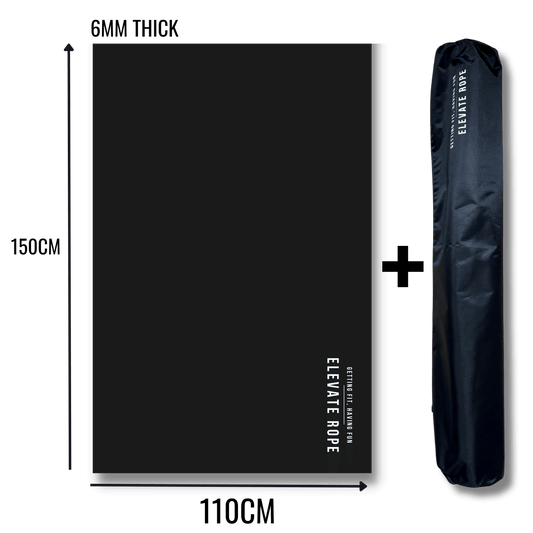
First, clear a small square of floor and move anything breakable. Second, check your rope length by standing on the middle and pulling the handles up. They should reach your armpits, roughly. Third, lay a towel or mat under your feet to cushion the landing. Fourth, wear trainers rather than bare feet on a hard hotel floor.
One extra check helps on tour. Coil the rope loosely in your bag so it does not kink. A kinked cable spins unevenly and trips you up.
That is your setup done. No app to load. No warm-up video to find. The rope is in your hand and the plan is simple.
The 15-Minute Hotel Room Jump Rope Workout
This hotel room jump rope workout runs in five clear phases. Warm up, three working rounds, then a cool down. Follow the times below and keep your effort honest. The whole thing fits inside fifteen minutes.
| Phase | Time | What to do | Effort |
| Warm-up | 0:00 to 3:00 | Easy bouncing, ankle rolls, arm circles | Light |
| Round 1 | 3:00 to 6:00 | 40 seconds jump, 20 seconds rest, three times | Moderate |
| Round 2 | 6:00 to 9:00 | 40 seconds jump, 20 seconds rest, three times | Moderate to hard |
| Round 3 | 9:00 to 12:00 | 40 seconds jump, 20 seconds rest, three times | Hard |
| Cool-down | 12:00 to 15:00 | Slow bouncing, then calf and shoulder stretches | Light |
Add a little intensity as you go if you can. The first round settles your rhythm. Round two lifts your heart rate. By round three, the real work happens. Rest fully in the twenty-second breaks so each jumping block stays strong.
Short and intense is the point here. A 2025 trial found interval rope skipping is a time-efficient way to build cardiovascular fitness. Research has shown jump rope can deliver cardiovascular gains in a fraction of the time of jogging. Fifteen focused minutes is real training, not a compromise.

The moves inside each round
You only need a few moves to fill this jump rope session. The basic bounce is your foundation, with both feet leaving the floor together. The boxer step shifts your weight side to side, which lowers the impact. High knees raise the intensity when you want a harder round.
Advanced jumpers can add double unders, where the rope passes twice per jump. Mix these moves across your three rounds to keep the jump rope work interesting. Variety also spreads the load across your calves and ankles.
Short answer: Warm up for three minutes, complete three rounds of interval jumping, then cool down for a fifteen-minute total.
Why it matters: Short interval work builds cardiovascular fitness efficiently, so a hotel session still moves your fitness forward.
Best next step: If you need a rope that packs small and spins clean, compare options in our best jump rope for travel guide.
Scale It to Your Level
The same fifteen-minute frame works for every level. You change the rope, the moves, and the work-to-rest ratio. Match the row below to where you are now, then build from there.
| Level | Rope | Main move | Work / rest | Rounds |
| Beginner | Beaded rope | Basic bounce | 20s / 40s | 2 |
| Intermediate | Speed rope | Basic bounce and boxer step | 40s / 20s | 3 |
| Advanced | Speed rope | Double unders and high knees | 45s / 15s | 3 to 4 |
| Low impact | Any rope | Fast feet, no full jump | 30s / 30s | 3 |
Beginner or already jumping
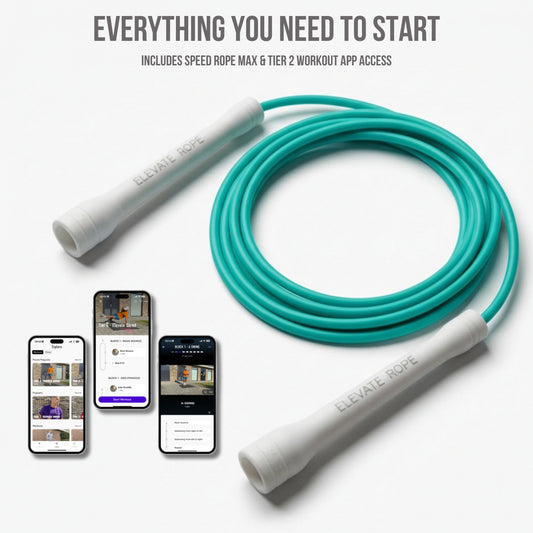
New to skipping? A beaded rope like the Dignity Beaded Rope is the kindest start. The beads give feedback you feel through your hands and arms, so your timing settles quickly. Already jumping? A speed rope like the Speed Rope MAX handles intervals and double unders in a tight room. Both pack down small for travel.
Keep the Noise Down

Quiet training protects your habit and your reputation with the front desk. A hotel room jump rope workout should be effective without disturbing other guests. The fixes are simple and they cost nothing. Small changes to your landing make a big difference.
Land softly and stay low, so your feet barely leave the floor. Swap full jumps for fast feet when the room feels echoey. Put a mat or folded towel under your rope to absorb the sound. If the ceiling is low, keep every jump small and controlled.
Short answer: Land softly on the balls of your feet, use a mat, and swap big jumps for fast feet to stay quiet.
Why it matters: Noise is the reason many travellers give up on room workouts, so solving it protects the habit.
Best next step: Pack a light travel mat with your rope, and read our advice on quiet, small-space training.
Common Mistakes to Avoid
A few small errors turn a good session into a sore one. Watch for these on the road.
→ Jumping too high, which wastes energy and wakes the room below
→ Skipping the warm-up, then straining cold calves in round one
→ Using a kinked or wrong-length rope that keeps catching your feet
→ Training barefoot on hard tile instead of cushioned trainers
→ Going flat out from the first jump, then fading before round three
Fix these and every jump rope session feels smoother. Your feet stay under you and your effort lasts the full fifteen minutes.
Turn One Session Into a Travel Habit
A single good session is nice. A repeatable one changes your trips. The trick is to attach the workout to something that already happens every day.
Jump before your first coffee, or right after your morning shower. That cue does the remembering for you. Keep the rope on top of your clothes so you see it first. A hotel room jump rope workout is much easier to maintain when it becomes part of the same travel routine every day.
For the wider system, read our guide on how to stay fit while traveling. Then set up your kit with our one-bag fitness setup.
Consistency beats intensity when you travel. Three short jump rope sessions a week keep your fitness ticking over. Miss a day and you pick it up at the next hotel. The habit survives because the jump rope is always with you.
Frequently Asked Questions
Can you really do a jump rope workout in a hotel room? Yes. A hotel room jump rope workout needs a small clear floor and a little overhead space. Move a chair, keep your jumps controlled, and you have room to train.
How long should a hotel room jump rope workout be?
Fifteen minutes is a strong, realistic target. It gives you a short warm-up, three working rounds, and a cool down. Even ten minutes still counts toward your weekly activity.
Will jumping rope disturb the room below me?
It can, if you land heavily. Stay light on the balls of your feet and use a mat. Fast-feet drills lower the noise even further while keeping your heart rate up.
Do I need special shoes for a hotel workout?
Supportive trainers are best on a hard hotel floor. They cushion each landing and protect your joints. Avoid jumping barefoot on tile or thin carpet over concrete.
Is a hotel room jump rope workout enough on its own? For most trips, yes. Short interval sessions build cardiovascular fitness and keep your routine alive. Add some walking and bodyweight moves and you cover the basics.
Can I take a jump rope through airport security?
In most cases, yes. A rope is soft with no blades or batteries. Rules vary by airline, so check the details in our guide on bringing a rope on a plane.
What if the hotel has a gym already?
Use it if you prefer. A rope still wins when the gym is busy, closed, or tiny. It also travels with you to your next hotel, which the gym cannot.
Your Next Step, Based on Where You Are
Where you go next depends on your level. New to skipping? Start gentle. A beaded rope gives you feedback through your hands and arms while your timing settles. Run the beginner row of the plan and keep every round short.
Already jumping? A speed rope handles the advanced rounds and double unders in a tight room. Not sure which rope suits your trips? Compare them in our best jump rope for travel guide.
Whichever level you are, the plan is the same fifteen minutes. Keep it in your bag and it goes wherever you do. Return to the train anywhere hub to map the rest. The goal is not a flawless trip. It is a kept promise, repeated, wherever you land.
Sources
- ACSM's Health and Fitness Journal, on short bodyweight circuits designed for home, office, and hotel rooms
- European Journal of Clinical Nutrition, on interval rope skipping as time-efficient cardio training
- World Health Organization, guidelines on physical activity and sedentary behaviour
- Tjonna and colleagues, on short high-intensity interval sessions improving maximal oxygen uptake
You May Also Like
→ Jump Rope Anywhere: The Complete Guide to Training on the Move
→ How to Stay Fit While Traveling Without a Gym
→ Best Jump Rope for Travel: What to Look For
→ Can You Jump Rope in an Apartment? Quiet, Small-Space Training
→ How Much Space Do You Need to Jump Rope?
→ The One-Bag Fitness Setup for Frequent Flyers