





Jump rope can make your golf warm-up more purposeful. A few controlled minutes challenge footwork, rhythm, balance, and cardiovascular readiness before you pick up a club. You do not need a hard workout or complex equipment. You need a repeatable routine that prepares you to practise.
Many golfers head straight to the first tee or driving range without much physical preparation. Yet golf asks your body to coordinate movement, manage balance, and sustain concentration across a long round. Jump rope offers a simple way to practise steady timing and light footwork. It supports golf fitness, but it does not replace swing coaching or golf-specific mobility work.
This guide explains the benefits, shows how to structure a session, and walks you through a practical 10-minute jump rope workout. You will also learn how to make range practice more consistent with appropriate equipment.
Why Jump Rope Conditioning Benefits Golfers
Build footwork and rhythm without overthinking
Every rope rotation asks your hands and feet to work together. When your timing slips, the cable catches. That immediate feedback encourages a calmer cadence and cleaner movement.
Golf also depends on sequencing. A smooth swing needs coordinated movement rather than rushed effort. Skipping cannot teach the mechanics of a golf swing. However, controlled jump rope sessions give you another way to practise maintaining rhythm while moving.
Try listening to your feet during each set. Keep each landing quiet and evenly spaced. If you begin rushing, slow down instead of forcing faster turns. This same attention to swing tempo can guide your first practice swings.
Challenge balance and lower-body control
Jump rope drills like basic bounce and alternate-foot steps require small, repeated adjustments. You need to stay centred while the rope travels beneath your feet. Gentle lateral hops introduce another direction without demanding a large jump.
This is useful general movement practice. It complements balance and coordination drills already familiar to golfers. However, skipping does not reproduce the shifting pressure, torso rotation, or ground forces of a real swing.
Keep your knees relaxed and land softly. A stable rhythm matters more than jump height. Later, notice whether you feel more aware of your stance during slow practice swings.

Add manageable conditioning for a full round
Golfers often spend hours walking, standing, and concentrating. General cardiovascular conditioning can support physical readiness for those demands. Jump rope raises your heart rate quickly, even during brief intervals.
A systematic review of jump rope training found improvements in several fitness measures across the populations studied. Most participants were young, so those findings do not prove direct improvements in adult golf scores.
For a pre-round jump rope session, the goal is gentle activation, not exhaustion. Finish feeling awake and coordinated. Save difficult conditioning intervals for separate training days.
Structuring an Effective Jump Rope Session for Golf
Start with a clear objective: move smoothly, stay balanced, and arrive at the range ready to swing. This makes a golf warm-up different from an intense cardio session. You should finish with energy left for golf.
Choose a comfortable cadence rather than chasing speed. A metronome around 100 to 120 beats per minute can provide a reference. Adjust that tempo to your skill level. Keep your shoulders relaxed, elbows near your sides, and jumps low.
For a simple jump rope workout, begin with 30 seconds of easy skipping followed by 30 seconds of rest. Repeat until you can complete clean sets without rushing. Experienced jumpers can extend work periods to 45 seconds while keeping the same attention to form.
Practise two or three times weekly if you are new to skipping. Build toward three or four sessions only if your legs recover comfortably. Start with shorter intervals if you already walk long courses or train heavily.
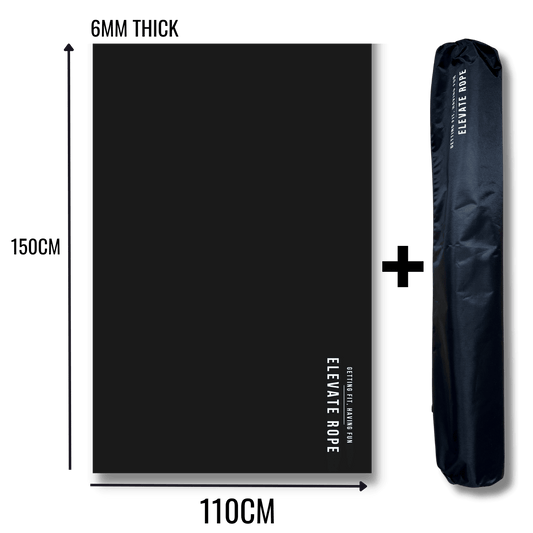
A good surface matters. Choose flat, non-slip ground with enough clearance. Wear supportive athletic shoes rather than golf spikes. Skip on a suitable mat or forgiving surface when available. If jumping causes pain, stop and choose a low-impact alternative.
Before skipping, spend a minute on ankle movements, calf raises, and gentle shoulder circles. Our jump rope warm-up guide offers more preparation ideas. Add a few trunk rotations before golf practice because the swing also demands rotational mobility.
Research on golf warm-ups supports this balanced approach. A systematic review of golf warm-ups found that dynamic methods can benefit performance measures. It did not establish that a rope alone improves scores or prevents injuries.
A Practical 10-Minute Jump Rope Routine for Golfers
Use this routine before range work or a practice round. Each segment lasts two minutes, making the full jump rope workout easy to follow. Take brief pauses when necessary. If you are new, shorten the jumping portions and use marching between sets.
| Time | Movement | What to focus on |
| 0:00–2:00 | Easy single-bounce | Low jumps, relaxed shoulders, steady breathing |
| 2:00–4:00 | Alternate-foot step | Small, even weight changes without rushing |
| 4:00–6:00 | Tempo changes | 20 seconds easy, 10 seconds brisk, repeated four times |
| 6:00–8:00 | Gentle lateral hops | Small side-to-side movements and controlled landings |
| 8:00–10:00 | Easy single-bounce | Regain rhythm, then finish with 20 seconds slightly brisker |
Minutes 0 to 4: Find your rhythm
Start with a comfortable basic bounce. Clear the cable with small jumps and let your wrists guide rotation. If you trip, restart calmly. Your goal is two minutes of comfortable rhythm, including any short breaks.
Next, alternate your feet as though jogging lightly in place. Keep each weight transfer small. This move challenges footwork and balance, but it is not a rehearsal of golf swing mechanics. Stay upright and relaxed throughout.
Minutes 4 to 8: Change pace and direction
For the third block, alternate 20 seconds of easy skipping with 10 seconds at a modestly quicker pace. Complete four cycles to fill two minutes. Return to your original tempo after every faster period.
Then move into small lateral hops. Travel only a few centimetres on each turn. If sideways movement feels awkward, step side to side without jumping. Keep your hips and shoulders facing forward.
This part introduces different movement patterns without making the golf warm-up unnecessarily tiring. More advanced agility exercises can be practised on separate training days.
Minutes 8 to 10: Finish ready to swing
Return to basic bounce and breathe steadily. Increase the tempo slightly for the final 20 seconds only if you still feel comfortable. Do not finish out of breath.
Set the rope aside. Make a few gentle hip and upper-back rotations, followed by controlled practice swings. Start with shorter motions before building toward full swings. These movements connect general activation to the specific task ahead.
A study of dynamic warm-ups in adult golfers reported improved movement-screen scores after a brief mobility routine and practice swings. It did not test this exact skipping plan. That distinction matters when judging what the evidence shows.
Practical Tips for Better Jump Rope and Golf Practice
Make each set measurable
Count clean rotations or note how often the rope catches during a 30-second interval. Track whether you maintain the same rhythm from beginning to end. These simple markers help you see progress without turning every session into a race.
Use the same basic sequence for several weeks. As your timing improves, add only one challenge at a time. That might mean slightly longer sets, smoother alternate-foot steps, or fewer missed turns. Consistency is more helpful than constant novelty.
You can also assess swing tempo during your range session. Notice whether your transitions feel controlled. Judge progress through strike quality and coaching feedback, not by assuming rope performance determines your golf results.
Keep your practice balls consistent
Equipment consistency makes range feedback easier to interpret. Using the same golf ball model for comparable practice sessions can reduce one source of variation. This is particularly helpful for short-game practice and ball-flight comparisons.
For example, golfers who play Titleist Pro V1 can explore Pro V1 golf balls from LostGolfBalls. When buying pre-owned balls, compare model year and condition as well as branding. Range facilities may require their own balls, so follow local rules.
The aim is not to make every practice shot identical. It is to avoid unnecessary equipment changes when evaluating your swing. Combine that approach with a reliable golf warm-up and a clear objective for each bucket.
Choose the right rope for your current skill
A speed rope suits golfers who already have dependable skipping timing. A beaded design offers more noticeable rotational feedback for beginners. A heavier rope adds resistance, but it is not necessary for a short pre-round warm-up.
Look for a rope that fits your height. Standing on its midpoint, check the manufacturer's sizing guidance before trimming. Keep the jump rope cable connected securely to both handles. Avoid pulling or gripping too tightly, which can make your shoulders tense.

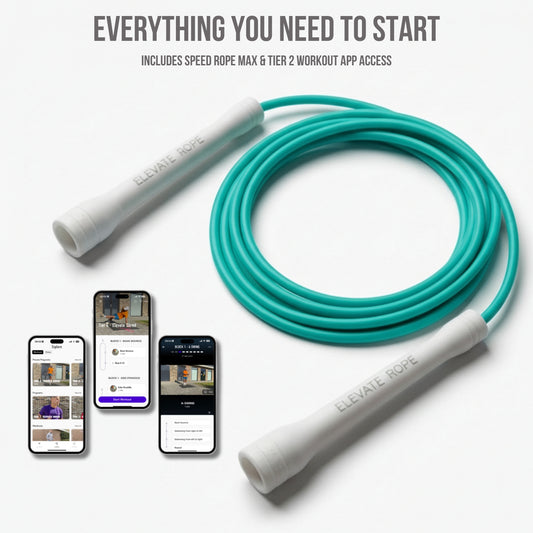
For easy cadence work, explore Elevate Speed Ropes. Choose the model you can control rather than the one that spins fastest. This keeps your jump rope practice focused on repeatable movement.
Progress without draining your golf game
Once basic skipping feels easy, try single-leg balance holds before introducing occasional single-leg hops. Build gradually because repeated hopping stresses the lower legs. Keep demanding moves, including double-unders, for separate conditioning sessions.
A jump rope session should support the day's golf practice, not compete with it. On days with a long round, a few easy minutes may be enough. If your calves feel heavy or your breathing remains hard, reduce the intensity next time.
Conclusion: Make Your Golf Warm-Up a Habit
Good preparation does not need to be complicated. Ten focused minutes can help you practise coordination, balance, and rhythm before you swing. Pair skipping with mobility work and gradual practice swings for a more complete approach to golf fitness.
The real benefit comes from repeating a routine you can maintain. Keep your rope nearby, follow the same sequence, and notice your movement quality over time. Together We Elevate.
Frequently Asked Questions
Is jump rope good for golfers?
Jump rope can be a useful addition to a golfer's general conditioning and warm-up routine. It challenges timing, foot coordination, balance, and aerobic effort. It cannot replace golf-specific mobility, swing practice, or coaching. Keep pre-round sessions light enough to finish feeling prepared rather than tired.
How long should golfers jump rope before playing?
Five to ten minutes can be a practical starting point for a golfer who already skips comfortably. Beginners may need shorter work intervals with rests. Follow the rope with mobility movements and easy practice swings. The correct duration is the one that leaves your legs fresh.
Can jump rope improve golf swing speed?
Jump rope helps you practise coordinated movement and can contribute to general fitness. However, research does not establish that skipping alone increases clubhead speed. Golf-specific strength work, technique, and well-designed dynamic warm-ups have a more direct role. Measure swing changes with reliable feedback rather than assuming transfer.
What is the best jump rope for a golf warm-up?
A comfortable, correctly sized rope matters more than maximum speed. Beginners often prefer a beaded design because its rotations provide clear feedback. Golfers with established timing may prefer a light speed rope. Avoid heavy resistance or difficult tricks immediately before playing. They may leave you fatigued.
Should I do jump rope every day for golf fitness?
Daily skipping is not required for golf fitness. New jumpers should begin with manageable sessions and monitor their calves, feet, and recovery. Two or three short sessions weekly may be easier to sustain. Increase frequency only when your body adapts, and choose walking or mobility on tired days.
About Elevate Rope
Elevate Rope helps people build sustainable movement habits through simple, practical training. Our community includes more than 50,000 customers learning to stay active with jump rope. We believe small sessions and consistent action can build lasting confidence. A rope is one tool. Showing up for yourself is the bigger goal.