





Choosing the right jump rope depends on your sport, skill level, and training goals. CrossFit, boxing, HIIT, and freestyle all involve different movements. Each activity places different demands on your equipment.
Beginners often benefit from noticeable rotation feedback. Experienced athletes may prefer faster turns or additional resistance.
This guide compares 7 jump rope choices for different sports. You'll discover which equipment suits your workouts, how to adjust your setup, and when a second rope makes sense.
Key Takeaways
- CrossFit: A speed rope supports controlled rotations and double-under practice.
- Boxing: Choose equipment that supports rhythm and boxing footwork.
- HIIT: A speed rope offers versatility for different conditioning intervals.
- Beginners: A beaded rope provides noticeable feedback during rotation.
- Freestyle: Beaded ropes support crosses, wraps, and skill development.
- Resistance training: A heavy rope adds resistance during planned intervals.
- Double Dutch: Specialist ropes support coordinated group skipping.
7 Jump Rope Choices for Different Sports
Not every sport requires the same equipment. Cable material, resistance, and handle design affect the training experience.

The following comparison helps you identify a suitable starting point.
| Sport | Recommended Equipment | Main Advantage |
| CrossFit | Speed rope | Controlled turns and double unders |
| Boxing | Speed rope or 7 mm hybrid | Rhythm and footwork |
| HIIT | Speed rope | Versatile conditioning |
| Beginners | Beaded rope | Rotation feedback |
| Freestyle | Beaded rope | Coordination and tricks |
| Resistance training | Heavy rope | Additional resistance |
| Double Dutch | Double Dutch ropes | Coordinated group movement |
These recommendations aren't universal rules. Personal preferences and training experience also influence equipment choices.
1. Jump Rope for CrossFit: Choose a Speed Rope
CrossFit workouts often combine skipping with strength exercises and conditioning drills.
A speed rope suits athletes who already perform consistent single unders. Its flexible cable supports controlled rotations.
Double unders require precise timing. The cable must pass beneath your feet twice during one jump.
A speed rope can support this movement when the length and technique are appropriate.
However, faster equipment doesn't automatically improve performance.
Tips for CrossFit training:
- Practise consistent single unders first.
- Check cable length before increasing speed.
- Keep your elbows comfortably near your body.
- Rotate mainly through your wrists.
- Increase double-under repetitions gradually.
Best choice: A speed rope for conditioning and double-under progression.
2. Jump Rope for Boxing: Improve Your Footwork
Boxers use skipping to practise rhythm, coordination, and controlled movement.
Good boxing footwork requires balance and consistent timing. Your equipment should support these skills.
A speed rope works well for many traditional boxing drills. Some athletes prefer a thicker hybrid cable.
The TITAN 7MM offers a different turning feel from a conventional PVC model.
Neither option is automatically better. Choose based on your preferred rhythm and cable feedback.
Boxing footwork drills to practise:
- Basic bounce
- Alternating steps
- Boxer step
- Side-to-side movement
- Controlled changes of pace
Begin slowly and focus on coordination.
Effective boxing footwork involves more than moving quickly. Balance and control matter throughout each drill.
Best choice: A speed rope or 7 mm hybrid for boxing footwork practice.
3. Jump Rope for HIIT: Focus on Versatility
High-intensity interval training combines demanding efforts with recovery periods.
A speed rope is useful for varied conditioning sessions. Its flexible construction supports different movement speeds.
Regular exercise also supports long-term health. The World Health Organization's physical activity guidance explains the benefits of staying physically active.
For example, alternate easy skipping with faster intervals. Maintain comfortable technique as fatigue increases.
You don't need specialist equipment for every HIIT workout.
A heavy rope can provide a different training stimulus. However, additional resistance also increases effort.
Example HIIT session:
- Skip for 30 seconds.
- Rest for 30 seconds.
- Repeat six times.
- Maintain controlled movement.
- Stop when technique deteriorates.
Adjust the intervals to your current fitness level.
For more workout ideas, explore our jump rope workout plans and challenges.
Best choice: A speed rope for general HIIT and conditioning.
4. Jump Rope for Beginners: Start With a Beaded Rope
Learning to skip requires coordination and repetition.
A beaded rope provides noticeable feedback through its segmented construction. This can help beginners follow the rotation.
Unlike some lighter cables, a beaded rope creates a more noticeable turning sensation.
That feedback can make basic timing easier to understand.
However, consistent practice remains essential.
Beginner technique checklist:
- Keep your shoulders relaxed.
- Position your elbows near your sides.
- Rotate mainly through your wrists.
- Use small, controlled jumps.
- Practise short sessions regularly.
Avoid attempting advanced combinations immediately.
Start with basic single jumps. Build confidence before increasing speed.
If you're just getting started, read our rope skipping guide for beginners. It covers foundational techniques and common mistakes.
A beaded rope is a practical starting point for learning coordination.
Explore Elevate Rope Beaded Ropes.
Best choice: A beaded rope for beginners developing timing and control.
5. Jump Rope for Freestyle: Build Better Control
Freestyle skipping combines coordination, creativity, and technical movements.
Athletes practise crosses, wraps, releases, and different footwork combinations.
The International Jump Rope Union provides information about competitive rope skipping and its disciplines.
A beaded rope suits many foundational freestyle movements. Its construction provides noticeable rotational feedback.
This feedback can help athletes follow the cable during combinations.
Experienced jumpers may eventually prefer specialist long handles.
Longer handles provide additional reach for certain advanced movements.
Freestyle skills to practise:
- Side swings
- Basic crosses
- Alternating footwork
- Simple combinations
- Controlled releases
Learn each movement separately before combining them.
A beaded rope can support skill development at different experience levels.
Best choice: A beaded rope for foundational freestyle practice.
6. Jump Rope for Resistance Training: Try a Heavy Rope
A heavy rope adds resistance to each rotation.
This changes the demands placed on your arms and shoulders.
Resistance-focused skipping can complement other training activities. However, heavier equipment isn't necessary for every workout.
Start with manageable intervals when introducing a heavy rope.
Avoid increasing cable resistance and workout duration simultaneously.
Resistance training tips:
- Begin with short sets.
- Maintain comfortable wrist movement.
- Keep your shoulders relaxed.
- Allow recovery between demanding intervals.
- Stop when fatigue affects technique.
A heavy rope should serve a specific training purpose.
Best choice: A heavy rope for planned resistance-focused sessions.
7. Double Dutch: Choose Specialist Ropes
Double Dutch uses two ropes rotating in opposite directions.
Participants coordinate turning, timing, and movement.
Standard single-person equipment isn't designed for this activity.
A dedicated Double Dutch set supports coordinated group skipping.
Beginners should practise consistent turning before attempting complicated routines.
Best choice: Specialist Double Dutch ropes for group training.
How to Choose the Right Jump Rope for Your Skill Level
Your experience matters as much as your preferred sport.
An experienced runner may still struggle with skipping timing. A recreational athlete might already perform advanced freestyle combinations.
Choose equipment that matches your current ability.
Beginner: Prioritise Control
Start with a beaded rope and practise basic movements.
Focus on consistent timing rather than speed.
Short sessions can help you develop familiarity with the equipment.
A beaded rope provides feedback that may support the learning process.
Intermediate: Develop Your Technique
Intermediate jumpers can usually perform consistent singles and basic footwork.
A speed rope may support faster conditioning sessions.
Introduce new movements gradually and maintain controlled technique.
Consistent practice helps you understand how the cable behaves.
Advanced: Choose Specialist Equipment
Experienced athletes may benefit from more specific equipment.
CrossFit athletes might prioritise double unders.
Freestyle athletes may prefer specialist handles.
Boxers might select equipment that complements their boxing footwork.
Resistance-focused athletes may introduce a heavy rope.
Specialisation makes sense when it supports a clear training goal.
5 Jump Rope Features That Affect Performance
Understanding equipment construction makes comparisons easier.
Focus on these five characteristics before choosing a model.
1. Cable Material
PVC cables are flexible and commonly used for conditioning.
A beaded rope provides a different turning sensation.
Heavier constructions create additional resistance.
Material affects how the equipment feels during training.
2. Cable Diameter
Cable thickness influences the turning experience.
A thinner cable may feel different from a thicker hybrid design.
However, diameter alone doesn't determine performance.
Overall construction and adjustment also matter.
3. Cable Resistance
A heavy rope requires more effort to rotate than many lighter alternatives.
This can be useful for planned resistance intervals.
Additional resistance isn't automatically beneficial for every athlete.
Choose according to your training needs.
4. Handle Design
Handles affect grip and movement control.
Standard handles suit many conditioning workouts.
Long handles support certain specialist freestyle movements.
Comfortable handling matters regardless of your chosen design.
5. Adjustability
Correct length helps you maintain consistent movement.
Excessive slack can affect timing. Insufficient clearance may increase catches.
Follow the manufacturer's sizing instructions.
Make gradual adjustments before cutting any cable.
How to Test Your Jump Rope Before Training
Even suitable equipment can feel difficult when the setup is incorrect.
Check length, technique, and training conditions before switching models.
Step 1: Check Your Rope Length
Use the sizing instructions for your specific product.
Beginners may prefer additional clearance while learning.
Experienced athletes sometimes use shorter setups for specialist movements.
Avoid copying another athlete's settings without testing them.
Step 2: Practise Three Movements
First: Perform controlled single jumps.
Second: Practise your most common sport-specific movement.
Third: Increase rotation speed slightly while maintaining technique.
Notice repeated catches, excessive slack, or unnecessary arm movement.
Adjust one variable at a time.
Step 3: Review Your Training Surface
Choose a stable, level surface with enough clearance.
Inspect your equipment regularly.
Rough outdoor surfaces can increase cable abrasion.
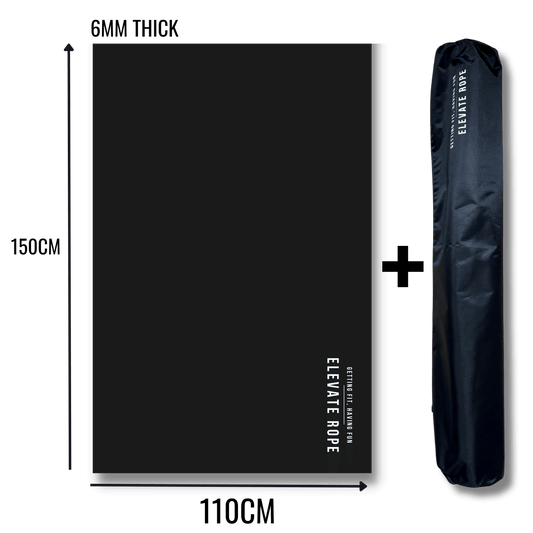
A suitable training mat may provide a more consistent exercise area.
Avoid slippery or uneven surfaces.
Should You Buy More Than One Jump Rope?
One versatile model can support many training activities.
A second rope becomes useful when it serves a different purpose.

Beaded Rope and Speed Rope
This pairing combines coordination practice with conditioning.
Use the beaded rope for timing and foundational skills.
Choose the speed rope for faster intervals when your technique allows.
Both can serve different roles in a weekly routine.
Speed Rope and Heavy Rope
This combination suits athletes with separate conditioning and resistance goals.
Use the speed rope for regular technique sessions.
Introduce the heavy rope during selected resistance intervals.
Allow appropriate recovery between demanding workouts.
Are Jump Rope Bundles Worth It?
Bundles can provide useful combinations of equipment.
However, value depends on what you'll actually use.
Compare:
- Included rope types
- Handle construction
- Adjustment options
- Training support
- Current prices and conditions
Choose a bundle that matches your existing routine.
Frequently Asked Questions About Jump Rope Training
What Jump Rope Is Best for CrossFit?
A speed rope is a practical starting point for many CrossFit workouts. It supports controlled singles and double-under practice.
Correct length and consistent technique remain important. Advanced athletes may prefer specialist equipment, depending on their training demands.
Which Rope Should I Use for Boxing?
A speed rope works well for many boxing footwork drills. Some athletes prefer a thicker hybrid cable for different rotation feedback.
Choose equipment that supports comfortable timing, relaxed shoulders, and controlled movement. Personal preference matters.
Is a Beaded Rope Good for Beginners?
Yes. A beaded rope provides noticeable rotational feedback. This can help beginners follow the cable and practise basic timing.
Start with short sessions and controlled single jumps. Increase difficulty as your technique improves.
Do Athletes Need Different Ropes for Every Sport?
No. One versatile model can support general conditioning and basic footwork.
A second rope makes sense when another activity requires different resistance or handling characteristics. Choose equipment based on your actual training routine.
Should I Use a Heavy Rope for HIIT?
A heavy rope can suit shorter resistance-focused intervals. However, additional resistance increases the demands of each rotation.
Start conservatively and maintain controlled technique. A lighter model may be more practical for mixed conditioning sessions.
How Can I Tell Whether My Rope Is Too Long?
Excessive cable slack and repeated catches may indicate a length problem.
Review your technique before making adjustments. Follow the manufacturer's instructions and retest the same movement.
Avoid cutting the cable until you're confident about the setting.
Conclusion: Find the Best Jump Rope for Your Sport
The best equipment depends on your movements, experience, and training goals.
A speed rope can support CrossFit, HIIT, and boxing footwork.
Beginners may prefer a beaded rope for noticeable feedback.
Freestyle athletes can develop skills with a beaded rope before exploring specialist handles.
A heavy rope offers additional resistance for selected workouts.
You don't need every available model.
Choose a jump rope that supports your training, practise consistently, and specialise when your goals require it.
Explore the Elevate Rope Collection.
About Elevate Rope
Elevate Rope helps people build lasting fitness habits through accessible skipping workouts, practical equipment, and a supportive community.
Our mission is to bridge the gap between motivation and habit building.
We believe progress comes from consistent action, meaningful training, and showing up for yourself.
Together We Elevate.