





The Right Cardio Can Actually Help Your Back
Exercises for back pain relief might seem counterintuitive when your back is already hurting. The instinct is to rest, stay still, and avoid anything that might make it worse.
But here's what the research shows: the right kind of movement often helps more than rest.
Low to moderate-impact cardio supports back health through three key mechanisms:
- Boosting blood flow to back muscles — Increased circulation delivers oxygen and nutrients to damaged tissues while flushing out inflammatory compounds
- Supporting weight management — Every extra pound adds stress to your spine. Cardio helps maintain a healthy weight that reduces spinal load
- Releasing endorphins — Your body's natural painkillers reduce pain perception and improve mood, breaking the cycle of pain and inactivity
The key is choosing exercises that provide these benefits without adding stress to an already sensitive back.

5 Best Exercises for Back Pain Relief
1. Swimming
Swimming tops most lists of exercises for back pain relief — and for good reason.
Water supports your body weight, eliminating impact entirely. You get cardiovascular benefits while your spine floats in a near-weightless environment. The resistance of water also strengthens muscles without the jarring forces of land-based exercise.
Best for: Severe back pain, disc issues, or anyone who needs zero-impact movement.
Downside: Requires pool access, which isn't always convenient or affordable.
2. Cycling
Whether on a stationary bike or outdoors, cycling provides excellent cardio with minimal spinal loading.
Your weight rests on the seat rather than compressing through your spine. The circular pedaling motion is smooth and repetitive — no impact, no jarring.
Best for: Those who enjoy longer cardio sessions and have access to a bike.
Downside: Poor bike fit or hunched posture can aggravate back pain. Proper setup matters.
3. Brisk Walking
Never underestimate walking. It's one of the most accessible exercises for back pain relief available.
Walking promotes gentle spinal movement, increases circulation, and strengthens the muscles that support your back. It requires no equipment, no gym membership, and no special skills.
Best for: Beginners, those returning to exercise after injury, or anyone seeking low-barrier cardio.
Downside: Weather dependent (unless you have a treadmill) and less time-efficient than higher-intensity options.
4. Yoga
While not traditional "cardio," certain yoga styles (vinyasa, power yoga) elevate heart rate while simultaneously stretching and strengthening back muscles.
Yoga also emphasises body awareness and proper alignment — skills that transfer to daily life and help prevent future back pain.
Best for: Those who want combined flexibility, strength, and mindfulness benefits.
Downside: Requires instruction to avoid poses that may aggravate certain back conditions.
5. Jump Rope
This is where many people raise an eyebrow. Jump rope for back pain relief?
Yes — and here's why it ranks high on this list.

Why Jump Rope Ranks High for Back Pain Relief
Jump rope often gets dismissed as too intense or risky for people with back concerns. But when performed correctly, it offers unique benefits that other cardio options don't.
Full-Body Engagement That Supports Your Spine
Unlike cycling or walking, jump rope is a true full-body workout. Your legs absorb and generate force. Your shoulders rotate the rope. And critically — your core engages continuously to stabilise your spine.
This core engagement isn't optional. You can't jump rope with a completely relaxed midsection. Every jump requires your abdominals, obliques, and deep spinal stabilisers to fire — building the muscular support system your back needs.
Promotes Good Posture
Proper jump rope technique demands upright posture: shoulders back, chest up, spine neutral. Slouching or leaning makes jumping nearly impossible.
Over time, this reinforces postural habits that carry into daily life — standing taller, sitting better, moving with more awareness.
Time Efficiency Reduces Overall Strain
Back pain often worsens with prolonged activity. One advantage of jump rope: it delivers cardiovascular benefits quickly.
Ten to fifteen minutes of jump rope can match the cardio benefits of thirty minutes of jogging. Less time exercising means less cumulative stress on your body — while still achieving the blood flow, weight management, and endorphin benefits that relieve back.
Is Jump Rope Bad for Your Back?
This is the question everyone asks. Let's address it directly.
The short answer: With proper form, you should be capable of coming away unscathed from jumping rope.
The longer answer: Impact forces from jumping rope are comparable to running — not worse. The difference is technique.
When you run, especially with poor form, each stride can send jarring forces through your spine. Your foot strikes the ground with 2-3 times your body weight, often with your leg extended in front of you (heel striking), which transmits shock directly upward.
When you jump rope correctly:
- You land on the balls of your feet (natural shock absorption)
- Your knees stay slightly bent (further cushioning)
- You make small, controlled jumps (2-5cm off the ground)
- Both legs absorb impact together (distributed force)
The result? Jump rope can actually be gentler than running when technique is dialled in.
How Weighted Ropes Make Jump Rope Easier on Your Back
Here's something counterintuitive: a slightly heavier rope can be better for your back than a lightweight speed rope.
Why?
Weighted ropes slow the pace. A heavier rope rotates more slowly, giving you more time to position your jumps correctly. This reduces the rushed, panicked jumping that leads to poor form and excessive impact.
They reduce missteps. You can feel where a weighted rope is at all times. This feedback helps you time your jumps precisely, eliminating the mistimed landings that jar your spine.
They encourage softer landings. Because you're jumping at a more controlled pace, you naturally land softer. No frantic hopping — just smooth, rhythmic movement.
They improve timing. Better timing means better form. Better form means less joint stress. It's a positive cycle that protects your back while building fitness.
Speed Ropes vs. Heavy Ropes for Back Pain
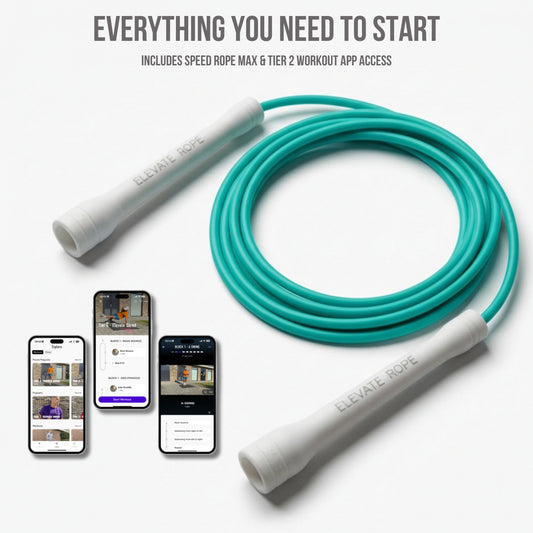
Speed ropes work well for those who've already mastered technique and want light, fast cardio sessions. They're ideal for quick workouts with minimal resistance.
→ [Explore Elevate Speed Ropes]
Heavy ropes (beaded or weighted) are often better for back pain relief. The slower pace, enhanced feedback, and controlled movement make them more forgiving for beginners or anyone prioritising joint health.
→ [Explore Elevate Heavy Ropes]
For most people dealing with back concerns, starting with a moderately weighted rope and progressing to lighter options makes sense.
Proper Jump Rope Technique for Back Safety
Form is everything. Here's how to jump rope in a way that supports your back rather than stressing it:
Posture
- Stand tall with shoulders back
- Keep your chest up and eyes forward
- Maintain a neutral spine (no excessive arching or rounding)
Core Engagement
- Brace your abdominals lightly throughout
- Think "tall and tight" — not rigid, but engaged
- This protects your spine from rotational forces
Landing Mechanics
- Land on the balls of your feet
- Keep knees slightly bent — never locked
- Jump only as high as necessary (2-5cm)
- Aim for quiet, soft landings
Arm Position
- Elbows close to your sides
- Rotation comes from wrists, not shoulders
- Hands at hip height
Surface
- Avoid concrete if possible
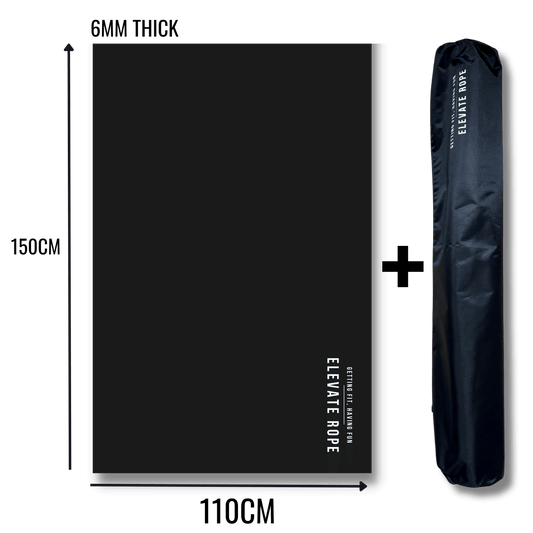
- Use a jump rope mat, wooden floor, or rubber gym flooring
- Proper surface reduces impact significantly
If you experience back pain while jumping rope, stop and assess your form. Most discomfort comes from technique issues that are easily corrected — not from jump rope being inherently harmful.
Start With the Right Approach
Exercises for back pain relief work best when chosen thoughtfully and performed correctly.
Jump rope offers unique advantages — core engagement, postural benefits, time efficiency — that make it worth considering. But it's not the only option, and it may not be right for everyone.
If you're new to exercise or dealing with significant back issues, consult a healthcare provider before starting any new routine. Consider beginning with lower-intensity options like walking or swimming, then progressing to jump rope as your fitness and confidence improve.
Important: Jump rope is a tool for fitness, not a replacement for medical treatment. If your back pain is severe or persistent, seek professional guidance.

Keep Learning
Studies show that impact forces from jumping rope are comparable to running — not worse — when proper technique is used.
Research from Harvard Health confirms that regular low-impact exercise reduces pain and improves function for those with joint and back issues.
Want the full breakdown on technique and workouts? → Jump Rope for Home Cardio: The Complete Guide
If muscle imbalances are contributing to your back pain, jump rope can help identify them. → Muscle Imbalances and Back Pain: The Lifter's Dilemma
You May Also Like
- → Why Lifter Cardio Matters More Than You Think
- → 7 Benefits of Jump Rope for Strength Athletes
- → Active Recovery: Stretching vs. Jump Rope – What’s Best for a Healthy Back?
- → How to Choose the Perfect Jump Rope: Speed vs Beaded vs Heavy
📖 Complete Guide: Back Pain Relief for Lifters