





If you're dealing with back pain, you've likely heard conflicting advice. Rest more. Move more. Try yoga. Stay active. The reality is that modern research increasingly supports one clear direction: gentle movement typically beats prolonged bed rest for most types of back discomfort.
But knowing you should move doesn't answer the harder question—what kind of movement actually helps?
Two popular approaches dominate the conversation: static stretching and yoga on one side, and active recovery through light cardio on the other. Both have merit. Both have devoted advocates. And for many people managing back pain, the best answer might involve elements of each.
Let's break down what each approach offers and explore why jump rope might be a surprisingly effective tool for active recovery for back pain.
The Case for Stretching and Yoga
Static stretching and yoga have earned their place in back pain management for good reasons.
Regular stretching improves flexibility in the muscles surrounding your spine—particularly the hip flexors, hamstrings, and lower back muscles that often tighten from prolonged sitting. When these muscles remain chronically tight, they pull on your pelvis and spine, creating imbalances that contribute to ongoing discomfort.
Yoga adds another dimension by combining stretching with breath awareness, core engagement, and mindful movement. Many poses specifically target spinal mobility, gently encouraging your vertebrae through their natural range of motion.
For people whose back stems from muscle tightness or postural imbalances, a consistent stretching or yoga practice can provide meaningful relief. The slow, controlled nature of these activities also makes them accessible on days when pain levels are higher.
However, stretching alone addresses only part of the equation.
Active Recovery for Back Pain: Why Movement Matters
Here's what stretching doesn't do: it doesn't significantly increase blood circulation, strengthen the muscles that support your spine, or release the same level of endorphins that come from cardiovascular activity.
This is where active recovery enters the picture.
Active recovery refers to low-intensity movement that promotes healing without adding stress to injured or sensitive areas. For back pain specifically, light cardio increases blood flow to spinal tissues, delivering oxygen and nutrients while flushing out inflammatory byproducts. This circulatory boost can accelerate healing and reduce stiffness.
Additionally, gentle cardiovascular exercise strengthens the core and postural muscles that act as your spine's support system. Weak core muscles force your spine to bear loads it wasn't designed to handle alone—a common contributor to chronic back issues.
Medical professionals increasingly encourage patients to stay active as tolerated rather than retreating to bed rest. The goal isn't pushing through pain but finding movement that your body can handle while still providing therapeutic benefit.
For a deeper look at how different recovery approaches work together, explore our complete guide to recovery methods.
Why Jump Rope Combines the Best of Both Worlds
Most people don't immediately connect jump rope with back pain relief. But consider what actually happens during a controlled jump rope session:
Dynamic stretching through motion. The gentle bouncing movement takes your spine through subtle flexion and extension with each jump. Unlike static stretching, this dynamic movement lubricates spinal joints and warms surrounding muscles simultaneously.
Increased circulation. Even five to ten minutes of light jumping elevates your heart rate enough to boost blood flow throughout your body, including the tissues supporting your spine.
Core engagement without crunches. Maintaining an upright posture while jumping requires constant low-level activation of your deep core muscles. This builds functional strength in exactly the muscles that protect your back—without the spinal flexion that sit-ups demand.
Endorphin release. Cardiovascular activity triggers your body's natural pain-relieving chemicals. Many people report that their back feels looser and less painful after light cardio, not despite the movement but because of it.
Rhythm and mindfulness. The repetitive nature of jumping creates an almost meditative quality, similar to what draws people to yoga. You focus on timing, breathing, and coordination rather than dwelling on discomfort.
In other words, jump rope doesn't replace stretching—it potentially offers stretching benefits alongside cardiovascular and strength benefits in a single activity.
How to Start Jump Rope Active Recovery for Back Pain
If you're new to jump rope or returning to it while managing back sensitivity, approach it thoughtfully:
Start slow and short. Begin with just five minutes at a relaxed pace. You're not training for competition—you're encouraging circulation and gentle movement.
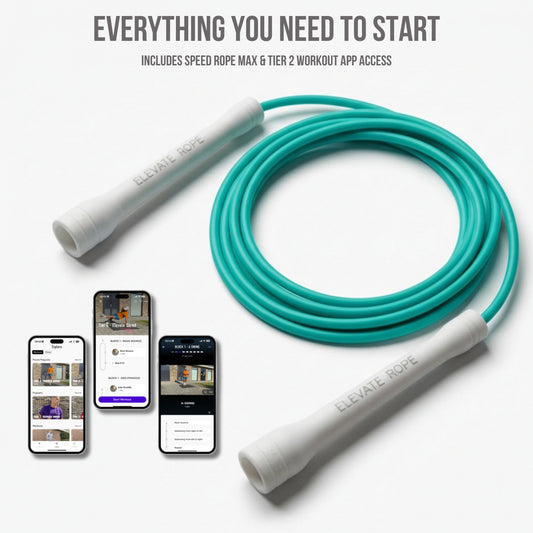
Choose the right rope. For active recovery, you want a rope that provides feedback and control. A beaded rope lets you feel the rope's position throughout each rotation, making it easier to maintain smooth, controlled movements. Alternatively, a quarter-pound speed rope adds slight resistance that naturally slows your pace while building shoulder stability.
Not sure which rope fits your situation? Our guide to choosing the right rope breaks down the options based on your goals and experience level.
Focus on form over speed. Keep your jumps low—just high enough to clear the rope. Land softly on the balls of your feet with slightly bent knees. Maintain an upright posture with your core gently engaged.
Listen to your body. Some mild muscle fatigue is normal. Sharp or increasing pain is a signal to stop. Active recovery should feel like you're doing something good for your body, not fighting through it.

Finding Your Balance
Stretching and jump rope aren't competing approaches—they're complementary tools in your recovery toolkit.
On days when your back feels particularly sensitive, gentle stretching or restorative yoga might be the right choice. On days when you feel capable of more, a short jump rope session can deliver benefits that stretching alone cannot provide.
The key insight is this: movement is medicine, but the dose matters. Active recovery for back pain works best when you match the intensity to what your body can handle on any given day.
Jump rope offers something unique in this equation—a single activity that combines cardiovascular benefit, dynamic flexibility, core strengthening, and the mental reset of rhythmic movement. For many people managing back pain, that combination proves more sustainable and effective than stretching alone.
Your back supports everything you do. It deserves more than rest. It deserves intentional, purposeful movement that builds resilience over time.
Pick up a rope. Start with five minutes. See how your back responds.
According to research from the Cochrane Library, staying active provides small but meaningful improvements in both pain relief and functional ability compared to bed rest.
You May Also Like
- → Top 5 Workout Recovery Mistakes (That Lead to Nagging Aches)
- → Best Cardio Exercises for Back Pain Relief (Why Jump Rope Ranks High)
- → 7 Benefits of Jump Rope for Strength Athletes
- → Strengthen Your Back with Weighted Jump Rope Workouts (Product Guide)
📖 Complete Guide: Back Pain Relief for Lifters