





Why Do My Shins Hurt After Jumping Rope?
Jump rope shin pain can follow a sudden increase in skipping, repeated landings, or a change in your training surface. Sometimes it reflects exercise-related shin splints. Other causes need a clinician’s assessment. Pain alone cannot tell you which problem you have.
Maybe your first few sessions felt great. Then the front or inner edge of your lower leg started aching. You might notice it during the first minute, after training, or while walking the next morning. That can make a simple workout feel complicated.
You do not need to guess your diagnosis or buy new equipment immediately. First, notice where the pain sits and what makes it worse. Next, stop the activity that provokes it. If symptoms are severe, focused in one spot, or persistent, arrange medical advice. Once you have recovered, review your training load and technique before rebuilding your routine.
This guide separates general training considerations from medical warning signs. It also explains where jump rope length, shoes, and surfaces fit into the picture. None of those adjustments replaces proper assessment or recovery.
What you’ll learn
- Why lower-leg discomfort can appear after skipping.
- How shin splints differ from other possible causes.
- When to stop and seek medical advice.
- What to review before returning to jump rope training.
- How equipment fits into a sensible training setup.
What does shin pain after skipping mean?
Shin pain describes a symptom, not a diagnosis. Its location, timing, severity, and response to rest all matter when a clinician assesses it.
The shin is more than one structure
Your tibia is the large bone at the front of your lower leg. Muscles, tendons, and connective tissue also work around it. Skipping repeatedly asks this area to manage takeoff and landing. A new workload may feel unfamiliar, but pain should not be treated as proof of healthy adaptation.
Some people feel a broad ache along the inner border of the tibia. Others point to one small, painful spot. Some describe tightness in the front of the leg. These patterns can overlap, so do not diagnose yourself from a symptom chart.
Shin splints are one possible explanation
Medial tibial stress syndrome is commonly called shin splints. It often involves exercise-related pain along the inner edge of the shinbone. The American Academy of Orthopaedic Surgeons associates it with repetitive activity and sudden training changes. Skipping sessions can add that repetitive load, especially after a break.
The phrase “shin splints” is often used loosely online. Not every ache in the shin fits that diagnosis. A professional assessment matters when pain persists or feels unusual.
Short answer: Shin pain after skipping can reflect several conditions, including shin splints.
Why it matters: A symptom label cannot distinguish ordinary soreness from a bone stress injury. Training history and examination matter.
Best next step: Stop painful jumping and seek assessment if the pain is focal, worsening, or persistent.
Why can jump rope training irritate your shins?

Repeated jumping adds load through the lower leg. A sharp rise in total jumping, harder sessions, or changes in recovery can exceed your current tolerance.
You added too much too soon
Imagine completing a few short sessions, then attempting a long challenge. Your cardio might feel ready before your lower legs are accustomed to repeated landings. That mismatch can happen to beginners and experienced athletes returning after time away.
Count more than the minutes on your timer. Frequency, total jumps, faster intervals, double unders, and other impact workouts all contribute to your week. Running and court sports matter too. A skipping session is not your only source of lower-leg loading.
The AAOS identifies sudden increases in exercise frequency, duration, and intensity as contributors to shin splints. That does not establish a universal safe weekly increase. Progression should respond to your current symptoms and training history.
Your jump height or rhythm changed
Beginners sometimes leap higher than needed because they expect the cable to need more clearance. They may also land stiffly while chasing a faster rhythm. Both patterns change how each jump feels. They do not prove the cause of a specific injury.
For comfortable practice after recovery, aim for a relaxed, low hop that clears the cable. Keep your elbows near your sides. Let the wrists guide rotation rather than throwing the shoulders forward. If the jump rope catches repeatedly, check its length before increasing your jump height.
A properly sized jump rope makes low, controlled hops easier to practice. Read the existing sizing guide before trimming a cable.
Your surface, shoes, or other training changed
Concrete, wood, and gym flooring feel different underfoot. Changing surfaces can change your experience and the forces involved. Worn shoes or an unfamiliar shoe design may also matter. None of these factors provides a diagnosis by itself.
Check for slipping, uneven ground, loose objects, and enough overhead space. Choose shoes that fit and feel stable during small jumps. Avoid treating a softer surface as permission to continue through pain.
When should you stop jumping and get help?

Stop a jump rope session when it produces shin pain. Severe pain, pain during walking, or a small, sharply tender area deserves particular attention.
Signs that need professional assessment
Seek medical advice if symptoms worsen despite reducing activity. Do the same if pain returns whenever you resume. A clinician can consider shin splints, bone stress injury, tendon problems, and other causes.
A bone stress injury can begin with discomfort at one particular point. Pain may later appear during normal walking or at night. The AAOS advises prompt evaluation when a bone stress injury is suspected. Do not test the leg with repeated hops to see whether it is serious.
Arrange urgent help for severe pain after an injury or if you cannot bear weight. Seek urgent assessment for marked swelling, new numbness, or a foot that becomes pale or cold. These symptoms are not a routine training adjustment.
Why “warming out of it” is not a safety test
Some exercise-related pain eases after movement begins. That does not establish that the underlying tissue is safe to load. Continuing until the workout feels easier can hide a pattern that deserves attention. A workout streak is not worth ignoring worsening symptoms.
Short answer: Do not keep skipping to test whether shin pain disappears.
Why it matters: Pain can change during activity without revealing its cause. Bone stress problems may worsen with continued loading.
Best next step: Pause impact exercise and ask a clinician about persistent or concerning symptoms.
What should you do when your shins hurt?
Your immediate goal is to avoid aggravating the painful area. Recovery and return-to-sport decisions depend on the actual cause, not an online countdown.
First, stop the provoking activity
Put your equipment away for now. Note when the discomfort started and whether it affects walking. Record recent changes in exercise volume, shoes, and surfaces. These details can help a healthcare professional understand the pattern.
The NHS advises avoiding the exercise that caused shin splints. It also suggests gentle alternatives during recovery. Swimming or cycling may be options when comfortable and medically appropriate. Do not swap into another activity that reproduces the pain.
Use comfort measures without masking warning signs
A wrapped cold pack may ease symptoms for some people. Follow reputable guidance and avoid placing ice directly on skin. Ask a pharmacist or clinician before using medication, especially if you have other conditions or take prescriptions.
Pain relief is not proof that your lower leg is ready for jumping. Neither stretching nor massage should be forced into a painful spot. If you suspect a bone stress injury, get assessed before starting a self-directed rehabilitation plan.
Keep the rest of your routine flexible
A temporary break from skipping does not erase your fitness. You can maintain some routine through suitable non-impact movement if symptoms allow. Your priority is recovery, not matching yesterday’s calorie target. Keep sleep, food, and general activity in perspective.
If you are already working with a physiotherapist or doctor, follow that plan over generic online advice. Their recommendations can account for your examination, history, and sport goals.
How do you return to jump rope after shin pain?

Return only when the cause and symptoms have been appropriately addressed. Start below your previous workload and watch how the leg responds during and after activity.
Build from a pain-free baseline
Do not use an arbitrary two-day break as your return date. A clinician may recommend a longer pause for confirmed shin splints or a bone stress injury. Their clearance takes priority. When you are ready, start with easy movement rather than an intense jump rope challenge.
A simple training log helps. Note session duration, intensity, surface, and how your legs feel later. The next morning matters too. If symptoms recur, stop and review the plan instead of pushing through.
Start with technique, not speed
Once cleared, practice the basic bounce at a relaxed pace. Keep hops low and avoid unnecessary arm movement. Short sets leave room to assess your response. Skip advanced footwork, weighted intervals, and double unders until basic training feels comfortable.
A cable that is too long may encourage compensations. One that is too short can cause frequent trips. Adjust gradually and test only when you are ready to resume. The jump rope length guide explains the starting check.
Progress one training variable at a time
Avoid increasing duration, frequency, and intensity together. If you add a session, keep the other sessions familiar. If you increase speed, avoid also doubling the time. This is a planning principle, not a prescribed rehabilitation schedule.
Your return may be slower than your motivation. That is normal after time away. A gradual skipping routine should fit your current capacity, not your old personal best.
Short answer: A return to skipping should be gradual and symptom-aware.
Why it matters: Feeling ready for cardio does not guarantee your lower legs tolerate repeated impact. The right progression depends on the cause of pain.
Best next step: Follow your clinician’s advice and restart with controlled, shorter sessions when cleared.
Can equipment help you build a better training setup?

Equipment can support comfortable practice and clearer timing. It cannot diagnose shin pain or guarantee that an injury will not return.
Choose a rope you can control
For beginners, a beaded jump rope offers tactile feedback through the hands and arms. That can help you notice the cable’s position and work on rhythm. It is a learning feature, not a treatment for shin splints.
The Elevate Elegance model has an adjustable beaded cord. Choose it for beginner rope control, not because you expect it to heal your shins. Do not resume painful jumping simply because you changed products.
→ Explore the Elevate Elegance Beaded Jump Rope
Consider your floor and training space
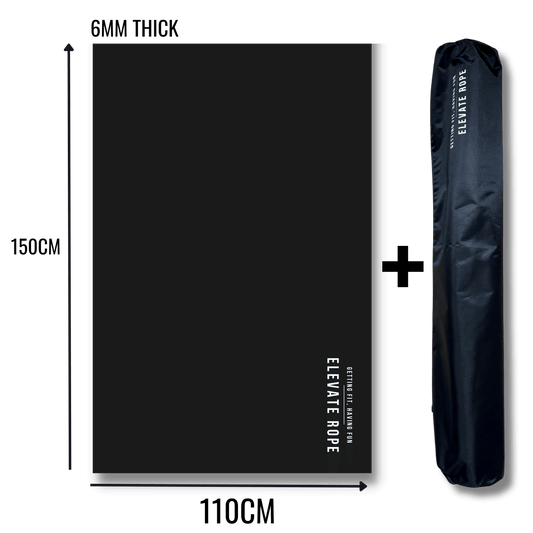
A stable, level surface gives you a predictable place to practice. A dedicated jump rope mat may protect flooring and provide a defined training area. It should not be sold as an injury cure. Published product-page impact percentages are not a substitute for clinical evidence.
The Elevate mat measures 150 × 110 cm. Check whether that footprint suits your stance and available space. Prioritize a non-slip setup and enough room for the full rope arc.
→ Explore the Elevate Jump Rope Mat
What about speed and heavy ropes?
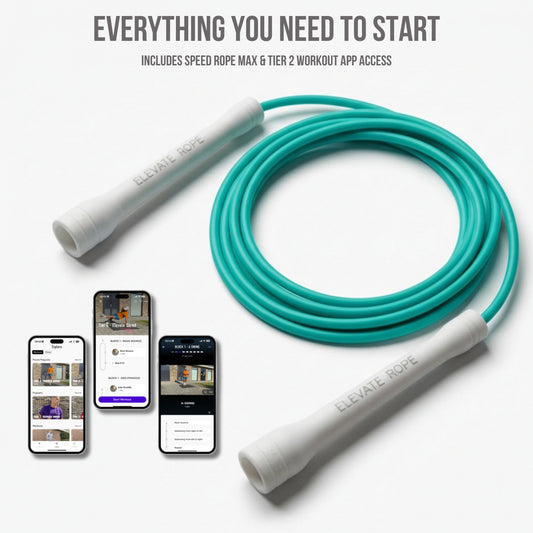
Speed ropes suit controlled cardio sessions once you have a steady rhythm. Heavy ropes belong in purposeful intervals, not as a first response to lower-leg pain. Long Handle models are designed for freestyle progression, not first-time jumpers. Your symptoms should guide whether any jumping is appropriate.
Frequently Asked Questions
These quick answers address common questions about shin discomfort and skipping. They are educational and cannot replace an individual assessment.
Can jumping rope cause shin splints?
Yes. Repetitive jumping can contribute to shin splints, especially after a sudden training increase. Other causes can produce similar symptoms. A clinician can assess persistent pain.
Is shin pain normal for beginners?
Unfamiliar muscles may feel tired after a new workout. Shin pain should not be dismissed as a required beginner milestone. Stop painful activity and assess the pattern.
Should I jump rope with shin splints?
Avoid the activity that causes shin splint pain. The NHS advises against continuing the provoking exercise. Return gradually after appropriate recovery and guidance.
Are shin splints the same as a stress fracture?
No. Shin splints and bone stress injuries can cause overlapping symptoms. Focused tenderness, worsening pain, or pain while walking warrants medical assessment.
Does a jump rope mat prevent shin splints?
No mat can guarantee injury prevention. A mat may help define a stable training space and protect flooring. Training load and medical guidance still matter.
Will a beaded rope fix my shin pain?
No. A beaded rope can provide tactile timing feedback through your hands and arms. It does not treat the cause of shin pain.
How long should I rest before skipping again?
There is no reliable universal timeline. The cause and severity determine recovery. Seek medical guidance if pain persists, worsens, or seems focused in one spot.
Can I cycle instead of jumping rope?
Cycling may be a lower-impact alternative if it does not provoke symptoms. The NHS and Mayo Clinic mention suitable low-impact exercise during shin splint recovery. Follow your clinician’s advice if a bone injury is possible.
Next steps: protect your progress
Shin discomfort deserves attention before another training target. Address the symptoms first, then make your next jump rope session easier to control.
If your pain is severe, persistent, or focused on one small spot, seek professional assessment. If you have recovered and are cleared to resume, rebuild slowly. Review your training week, landing style, shoes, surface, and rope length.
You do not need advanced equipment to restart. You need a routine that fits your present capacity. If timing is your challenge, explore a beaded model. If your space needs a dedicated surface, review the mat dimensions. Neither purchase replaces recovery.
Start with the rope sizing guide when you are ready to train again. Small, controlled sessions are a better next step than trying to reclaim every missed workout.