





Active living sometimes sounds as if you immediately need a subscription, new shoes, a smart watch, and a closet full of sports clothing. This is very practical, especially if your budget does not exactly get enthusiastic about those requirements. However, exercising does not have to be expensive at all.
You can stay fit with simple choices, smart planning, and activities that cost very little. The most important thing is that movement fits into your life, rather than fitting into the perfect picture on social media.
Walking, cycling, training at home, climbing stairs, swimming in natural water, or exercising with friends can be just as valuable as an expensive sports subscription. It is about moving more often and sustaining it without your bank account softly crying every month.
Choose Movement That Needs Very Little
Many forms of sport require hardly any material. Walking is the simplest example of this. Good shoes are nice, but you do not need to purchase much else to get started.
Running can also be cheap, as long as you do not immediately act like a professional athlete with six types of energy gels and an outfit for every wind direction. Training at home also works well. With squats, lunges, push ups, planks, and burpees, you can train your entire body effectively.
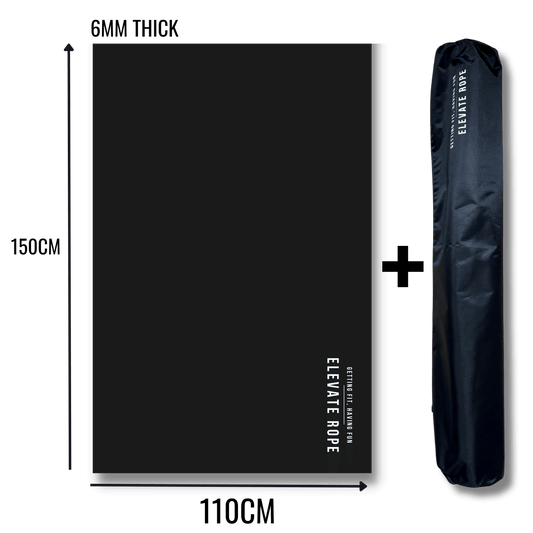
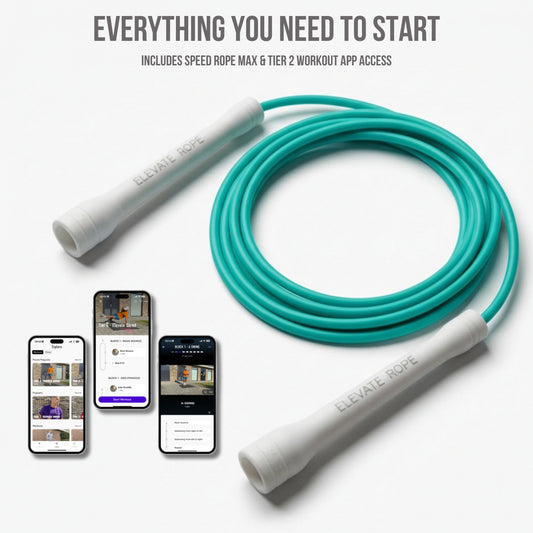
A mat is handy but not mandatory for your routine. Those who want a bit more variety can choose a jump rope or resistance bands. These items often cost less than a single month at the gym and simply fit in a drawer.
Make the Outdoors Your Gym
The outdoor space is free. That sounds almost suspicious, but it is true. A park, sidewalk, stairs, beach, or forest can perfectly serve as a training location for anyone.
You can walk, jog, do short sprints, or use exercises with benches and stairs. Think of step ups, incline push ups, and triceps dips. Exercising outside has another significant advantage as well.
You combine movement with fresh air, which often makes it mentally lighter than training in a crowded room with fluorescent lights and machines where someone stays sitting and scrolling just a bit too long. By choosing fixed routes, you make exercising easily repeatable. A twenty minute round is often enough to stay active on busy days.
Pay Attention to Hidden Costs
Exercising often becomes expensive because of everything surrounding the activity. Think of transport, parking, sports drinks, extra clothing, lessons, and subscriptions that you hardly use. A cheap subscription is not cheap if you only go twice a month.
In that case, you are mainly paying for guilt via automatic debit. Therefore, it is better to look at the total picture of your expenses. If you have to go to your training by car, then fuel costs count as well.
This is especially true when you drive back and forth several times a week. For calculating gasoline see a specialized tool so you can see more quickly what a sports location really costs you. Sometimes a slightly more expensive option nearby turns out to be cheaper than a cheap gym on the other side of town.

Exercise Together Without Spending Much
Moving together lowers the threshold for participation. Make an appointment with a friend, neighbor, or colleague for a regular walking round, bike ride, or short workout. You do not need a professional trainer to keep each other sharp.
An appointment in your calendar is often enough to help you stay committed. Canceling because the couch is so comfortable feels just a bit weaker when someone is waiting for you. Local sports fields are also useful resources.
You can play basketball, football, do calisthenics, or simply make a small circuit. Many municipalities have public movement areas that are free to use. You only have to go, which unfortunately remains the most difficult part of the process.
Use Short Training Sessions
A training session does not have to last an hour to be effective. Short sessions fit better into a busy life and cost nothing extra. Think of ten minutes of core training in the morning, a walk after dinner, or fifteen minutes of bodyweight exercises.
Small blocks add up, especially when you do them several times a week. A simple schedule often works better than an ambitious plan. Choose three exercises for strength and one for cardiovascular condition.
Do squats, push ups, lunges, and jumping jacks for a quick workout. Work for thirty seconds per exercise and rest briefly between them. Repeat this for four rounds and you are finished within fifteen minutes, which is not spectacular, but it is achievable.
Buy Smart Instead of Buying a Lot
Sports gear does not have to be brand new or expensive. Second hand platforms, outlet stores, and seasonal offers can make a big difference in your budget. Above all, make sure to buy only what you actually use.
A jump rope, resistance band, and nice shoes often yield more than machines that collect dust after two weeks. Pay attention to comfort and durability when it comes to clothing. A few good basics are enough to get you through your workouts.
You do not need to have a complete sports wardrobe to be serious about your health. No one becomes fitter from a shirt that only looks nice while lying in the laundry basket.
Keep Fun at the Center
Affordable exercise works best when you keep it fun. Choose activities that do not feel like a punishment every time you start. Alternate walking with cycling, home training, or a game on a local sports field.
Variation keeps it enjoyable and prevents movement from feeling like a mandatory performance. An active life does not have to be an expensive project. With smart choices, free outdoor space, short workouts, and attention to hidden costs, you can keep sports fun without high monthly burdens.
You do not have to do everything perfectly to see results. You mainly need to move often enough to make a difference. That is less expensive, less complicated, and usually much easier to sustain in the long run.