





Jumping rope seems simple. You grab a rope and set your feet, but after thirty seconds your body knows exactly why this feels so heavy. During high impact cardio, your entire body has to process short, fast shocks that your calves, knees, hips, and core must work together to absorb.
Your upper body also handles more movement than you might expect during a session. Comfort plays a major role here, not because training must always feel wonderful, but because physical irritations can be highly disruptive. Irritation, chafing, and insufficient support often interrupt a training session faster than a lack of motivation.
In intensive jump rope training, everything revolves around maintaining a steady rhythm. As soon as something does not fit correctly, you lose your flow and focus. Ensuring your gear is comfortable allows you to stay in the zone longer and get the most out of every jump.
Why Support Counts
Every time you jump, your body moves up and down, and a higher tempo significantly increases the load on your frame. Proper support helps to absorb that movement more effectively, providing you with more control during double unders and fast intervals.
For many athletes, a well fitting sports bra makes a clear difference in their performance. Firm support is not a luxury during high impact training; it is a necessity that prevents distraction and allows you to move with total freedom.

Finding the perfect balance is essential for success. A model that is too loose will shift while you jump, while one that is too tight will pinch and restrict your breathing. Both issues are irritating and make an already tough workout even more difficult to complete.
Comfort Begins with Fit
A good fit is something you should feel immediately when you put on your gear. The band under the chest must stay firmly in place without riding up, and the shoulder straps should never cut into your skin.
The underband provides a large portion of the total support required for jumping. If the band shifts during movement, you lose essential stability. Choosing gear with adjustable straps can be very useful for tailoring the fit specifically to your body shape.
It is also important that the cups or molded parts fit well without leaving any space at the top. Too much space allows for unwanted movement, while too little creates uncomfortable pressure. Neither of these situations helps your training progress.
Breathing Room During Intensive Intervals
During jump rope training, your heart rate rises quickly, making free breathing absolutely essential. A sports top that is too tight around your ribcage can feel oppressive, especially after a few rounds when your breathing becomes heavier.
Comfort in this context does not mean that your clothing should be loose. Support requires a firm fit, but it must be balanced with compression and freedom of movement. You want the top to stay secure while still being able to take deep breaths.
Do not wait until you are in the middle of a twenty minute workout to test your gear. Make a few jumps at home, rotate your shoulders, and bend over to see if everything stays in place. If it still feels good after that, it is a sign of a high quality fit.
Chafing is the Silent Training Killer
Chafing may sound like a minor issue until you are halfway through a workout and feel a seam in the wrong place. When jumping rope, you repeat the same movement hundreds of times, making any small edge or label a source of significant irritation.
Sweat often makes the situation worse, particularly during longer training sessions. It is best to choose soft, smooth fabrics that fit closely to the body. Flat seams are also a great feature as they help to limit friction against the skin.
Moisture regulating materials make a difference because wet fabric tends to chafe much faster. A top that stays dry and firm feels more pleasant during fast rounds and allows you to keep moving without constantly having to tug at your clothes.
The Influence on Technique and Focus
Good jump rope technique is built on small, controlled movements. You should jump low, keep your elbows close to your body, and rotate the rope primarily from your wrists. If your upper body feels restless due to poor clothing, you will likely start to overcompensate.
This compensation might involve jumping higher than necessary or tensing your shoulders, both of which waste valuable energy. Comfort helps you move more calmly, making you feel more stable so you can focus on your timing.
Reducing distractions means you can pay more attention to your tempo, landing, and posture. While focusing on these details might seem tedious, it works surprisingly well for improving your overall technique and efficiency.
How to Build Up Comfortably
If you are just starting with jump rope, avoid jumping into long, grueling blocks immediately. It is much smarter to begin with short intervals, such as thirty seconds of jumping followed by thirty seconds of rest.
Slowly building up the duration of your rounds allows your feet, calves, and joints to get used to the high impact. During this phase, wearing shoes with sufficient cushioning is vital for protecting your body from injury.
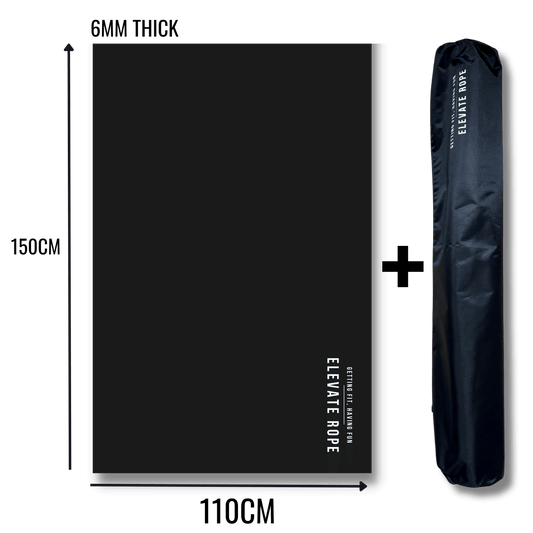
The surface you train on also contributes to your overall comfort. A hard concrete floor can feel very heavy on the joints, so try to find a sports floor, rubber mat, or wooden surface. Combining the right surface with stable clothing makes the process much easier.
Comfort Makes Persistence Easier
Intensive training requires discipline, fitness, and a fair amount of patience with yourself. Ensuring your comfort means that your clothing does not become an additional hurdle you have to clear during your workout.
With proper support and materials that do not chafe, you are free to focus entirely on your physical performance. Athletes who train comfortably are far less likely to cut a session short due to avoidable physical irritations.
Comfort does not make jumping rope a light exercise, as it will always remain hard work. However, when your clothing works with you instead of against you, it becomes much easier to train consistently and see real progress.