





Those who are often on the road know how quickly a training routine can disappear. A hotel room is small, a park is not always around the corner, and your schedule is full. Yet, training while traveling does not have to become a circus involving heavy weights, complicated schedules, or a suitcase full of sports equipment. Minimalist training is actually about choosing wisely: fewer items, more results. It sounds almost too logical, which is probably why it is less popular than a closet full of fitness gadgets.
The foundation is simple. Your body itself is already an excellent training tool. Push-ups, squats, lunges, planks, burpees, and mountain climbers require very little space. A few square meters is often enough. Add a few light aids to that and you can train almost anywhere, whether it is in a hotel room, at a campsite, next to a quiet walking path, or in the living room of a holiday home.
What You Really Need to Bring
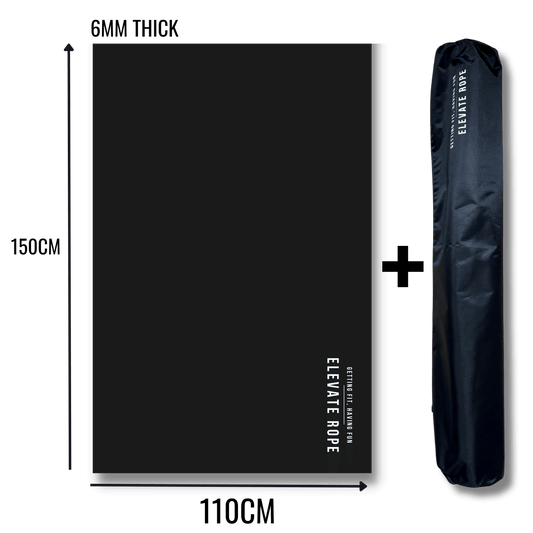
A good setup for traveling starts with items that weigh very little and can do a lot. Think of resistance bands, a jump rope, a foldable training mat, and a small towel. You often do not need more than that. Resistance bands are useful for strength training the legs, back, shoulders, and arms. They take up almost no space and fit easily in a backpack, which is ideal when you do not feel like walking through a station with half a gym.

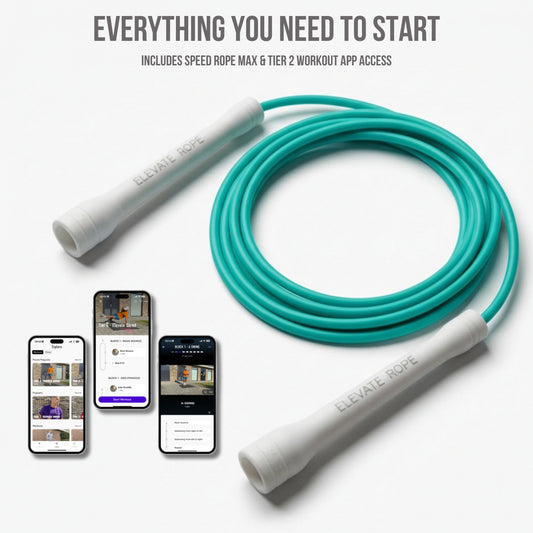
A jump rope is particularly useful for cardiovascular fitness. Ten minutes of jumping rope can already be quite intense. It does require some space, unless you enjoy destroying lampshades in a hotel room. A thin training mat provides grip and comfort for ground exercises. Preferably choose a mat that is foldable. A roll-up yoga mat is nice, but it is often just a bit awkward when traveling.
The Backpack as a Mobile Gym Cabinet
In minimalist training, a backpack is more than just a bag. It is the place where you keep everything organized together. Choose a model with multiple compartments so that clean clothing, used sportswear, a water bottle, and training equipment remain separate. This prevents searching and unpleasant surprises. No one is happy with a resistance band that has been sitting snugly next to a wet shirt.
Also pay attention to carrying comfort. Adjustable shoulder straps, a sturdy back panel, and enough volume make a difference, especially during longer travel days. For short trips, a compact backpack is often sufficient. For work trips or weekend getaways, a slightly larger model is more convenient. The goal remains the same: take everything you need without dragging along items you will not use anyway.
A Workout Schedule Without the Fuss
A minimalist workout does not have to take long. A session of twenty to thirty minutes is often perfectly fine. Start with a short warm-up, such as jumping jacks, arm circles, and light squats. This is followed by a block of strength training with exercises for your entire body. Think of push-ups, squats with a resistance band, rows with a band, lunges, and planks.
If you have little time, then work in rounds. For example, do five exercises, each with forty seconds of work and twenty seconds of rest. After three to five rounds, your body is awake, your heart rate is high, and your list of excuses is much shorter. For cardio, you can add jumping rope. Do this in short blocks of one minute, alternating with rest. It is simple, clear, and difficult enough to feel serious.
Why Less Often Works Better
Many people make training while traveling too big of a deal. There must be a perfect gym, enough time, good music, the right shoes, and preferably a smoothie bar around the corner. When that is the case, very little actually happens. Minimalist training removes that barrier. The gear is ready, the exercises are known, and the training fits into a busy day.
Fewer choices also help. When you know exactly what is in your bag, you do not waste time doubting yourself. That makes it easier to stay consistent. Consistency almost always wins over a perfect schedule that only happens once a month. A short workout on Monday, Wednesday, and Friday yields more than a grand plan that fails after day two.
Useful Tips for the Road
Always put your training gear in the same place in your bag so the routine stays simple. Bring sportswear that dries quickly. This saves hassle after a workout and prevents your backpack from smelling like a wet dog lives in it after two days. Use a separate pouch for small items such as bands, a jump rope, and earplugs:
-
Drink enough water, especially when traveling by train, car, or plane.
-
Long periods of sitting make your body stiff.
-
A short workout or even ten minutes of movement helps you become flexible again.
If you have very little space, choose quiet exercises such as squats, calf raises, planks, and mobility exercises. These are not spectacular, but they are useful.
Always Ready for a Short Workout
Minimalist training while traveling is not about perfection; it is about being prepared. With a few smart tools, a practical backpack, and a achievable schedule, you can keep moving almost anywhere. The workout does not have to be long, and the setup does not have to be expensive. The most important thing is that everything is ready when a free moment arises.
If you keep it simple, exercising while traveling becomes much more realistic. There is no lugging things around, no excuses, and no search for a gym. You simply open your bag, take the gear out, and start. Sometimes that is exactly the motivation you need.
You May Also Like
- Better Movement on the Court with Jump Rope Training for Padel
- Beach workout essentials for an active day at the beach
- Why strength can stall after 40, even when the training is still there
- Is Jump Rope Safe During Menopause? Who Should and Should Not
- How to Start Jump Rope After 50 Without Hurting Your Joints