






Which Jump Rope Should You Use for CrossFit? A Practical Buyer's Guide
The best jump rope for CrossFit is the one that matches your current skill and the workout ahead. That's not always the lightest cable. It also isn't automatically the heaviest option. A new jumper needs feedback and a reliable rhythm. Someone practising double unders needs repeatable rotation and the right length. A serious buying decision starts with those differences.
You don't need to buy a drawer full of equipment. First, work out which skill keeps interrupting your training. Then compare cable material, handle design, adjustability, and how each rope feels during a real set. This guide explains Elevate's options without inventing speed claims or promising a shortcut to better technique.
What you'll learn
- How a CrossFit jump rope changes the way you practise singles and doubles.
- The five equipment checks worth making before buying.
- When Speed Rope MAX, Beaded Rope, or a weighted rope fits the session.
- How to set your length and check your choice inside a WOD.
- When a bundle makes sense and when one rope is enough.
Short answer: Choose your rope by skill. A beaded rope offers tactile timing feedback. Speed Rope MAX uses a 5 mm PVC cable for speed and control. A heavier rope belongs in short resistance-focused intervals.
Why it matters: Your first clean double under and your fiftieth repeatable rep are different problems.
Best next step: Read the five checks below, then pick the setup that matches today's training.
Five things to check before buying a CrossFit jump rope
1. Match the rope to your current skill
Think about what actually happens after the timer starts. Can you do relaxed single unders without an extra bounce? Do your double-under attempts fail because the rope catches your toes? Or can you already complete sets and want a more consistent feel?
For first-time jumpers, a beaded jump rope can make the cable path easier to sense. You feel its position through your hands and arms as the beads travel. This helps you notice a late turn or a change in rhythm. It doesn't remove the need to practise.
For athletes building double-under sets, a speed jump rope lets the cable move through repeated rotations. That jump rope movement still depends on your wrists, jump timing, and length. Buying faster hardware won't fix an arm position that changes after every rep.
If you can already do both movements, choose the rope you can use consistently during the actual workout. A familiar jump rope setup often matters more than switching equipment every time you miss a rep.
→ Explore beaded ropes for first jumps and timing practice.
2. Understand cable material instead of trusting a label
Two products called speed ropes may use very different materials. A thin coated-steel cable, a PVC cable, and a beaded polycord don't feel identical. Compare the actual material and diameter before assuming they suit the same person.
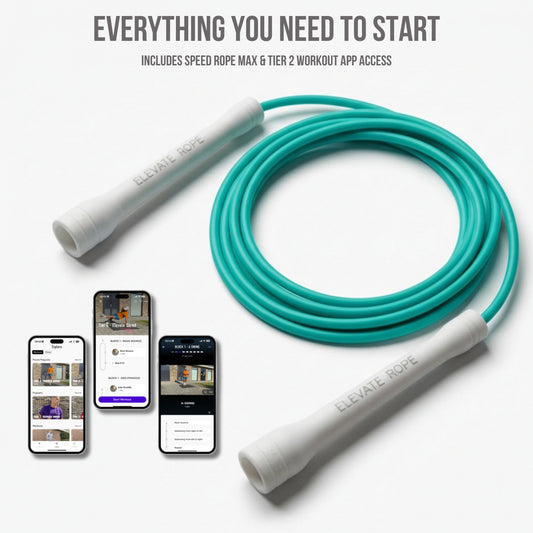
Elevate Speed Rope MAX uses a flexible 5 mm PVC cable with a nylon core. It is not a 2.5 mm coated-steel cable. Its construction is also bearing-free. That design offers a different feel from a thin wire competition rope. Neither construction makes every athlete better by itself.
A steel cable can suit someone who prefers a very light cable feel and high rotation speed. It may offer less obvious positional feedback for someone still building timing. A PVC jump rope cable can be a practical middle ground for varied training. The important jump rope question is which feel you can repeat.
Beaded ropes use PVC segments over polycord. Elevate's documented design uses 2.5 cm beads over 3.5 mm polycord. The moving beads create tactile feedback as you turn the rope. That can be useful during controlled technique sets.
Ask the retailer for actual cable material, thickness, and adjustment method. If those specifications are missing, a dramatic product name doesn't help you compare anything.
→ Compare Speed Rope MAX cable options with the beaded collection.
3. Check how the handles and connection work
The rope doesn't rotate on its own. Your hands direct it. Handle length, grip, and the cable connection shape that experience. Spend as much time reviewing those parts as you spend admiring the colour.
A shorter handle can suit compact hand positioning. An extended handle provides more reach for crosses, wraps, and freestyle skills. But that reach isn't automatically helpful for someone's first CrossFit session.
Long Handle Speed Rope uses 20 cm handles and a thinner 4 mm PVC cable. It is designed around reach and freestyle movement. It is not our first jump rope recommendation for a person learning basic bounce timing.
Bearings are another design choice, not a universal quality test. Some ropes use swivels or ball bearings. Elevate's Speed Rope MAX intentionally uses a bearing-free connection. Compare the movement you actually need rather than treating one mechanism as a guarantee.
Hold the handles in a relaxed grip and make several controlled turns. Check whether you can keep your elbows comfortably near your sides. If you keep widening your arms to clear the rope, assess length and technique before purchasing another model.
4. Confirm that you can adjust the length
The wrong length can make a suitable jump rope feel awkward. Too much cable creates a larger, slower loop and extra contact with the floor. Too little leaves very little clearance. Both can interrupt your jump rope timing.
Start with your manufacturer's length instructions. Stand on the rope and bring the handles up evenly. Use that position as a starting point, not a final measurement. A novice may need more clearance than someone practising compact double-under technique.
Elevate's PVC cable and nylon-core build has no metal wire running through the cable. The cable can be trimmed with scissors after checking the desired length. Beaded ropes adjust through their own cord and bead assembly. Don't assume every competing rope can be cut the same way.
Make small adjustments, then practise a short set before cutting again. You can always shorten a long jump rope. You cannot restore cable removed with scissors. Keep your rope on the same surface while testing changes.
A sizing guide is worth more than a one-size-fits-all claim. Height helps you find a starting point. Your hand position, skill, and cable behaviour help you find a useful final fit.
→ Follow the existing jump rope sizing guide before trimming.
Short answer: Start with a rope you can adjust. Test your clearance using ordinary singles before shortening it again.
Why it matters: An ill-fitting cable can turn a timing practice session into repeated interruptions.
Best next step: Check length, hand position, and surface before deciding that you need another rope.

5. Think about the surface and the workout format
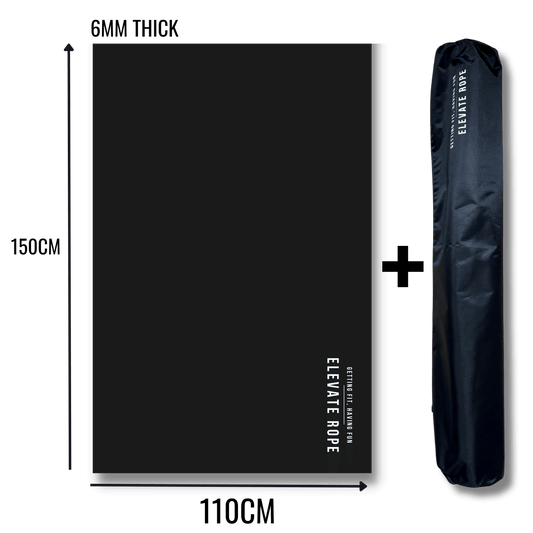
A rope tested on smooth gym flooring may behave differently on rough pavement. Abrasive ground can wear the cable's strike point. A jump rope mat can protect the rope from some direct abrasion. It should not be described as a cure for joint pain.
Workouts also ask different things of your equipment. Short skill drills let you focus on timing and cable control. A WOD asks you to maintain that movement while breathing harder. A short weighted interval adds resistance, so it changes the exercise again.
Before buying a new jump rope, write down the two sessions you do most often. If both are singles and double unders, one speed jump rope may cover them. If one session teaches beginners and another uses faster repetitions, separate tools can make sense.
Don't choose a heavy rope because a sales page calls it the ultimate cardio option. Elevate's 10 mm Heavy Rope is intended for short resistance-focused sets. It is not the default choice for continuous double-under WODs.
→ Browse training mats and accessories when your surface needs attention.
Which Elevate rope matches your CrossFit session?
Here is the practical split. Use it to decide what to buy first, not as a claim that one construction beats everything else. A good jump rope choice depends on what you want to practise next week.
| Setup | Documented construction | Training fit | Consider first |
| Speed Rope MAX | 5 mm PVC, nylon core, bearing-free | Singles, double-under practice, mixed cardio WODs | Repeatable cable length and wrist timing |
| Beaded Rope | 2.5 cm PVC beads over 3.5 mm polycord | First jumps, rhythm drills, coordination work | Tactile feedback through hands and arms |
| Titan 7MM | 7 mm weighted speed-rope cord | Controlled sets when more cable feedback is desired | Added cable load changes fatigue and pacing |
| Gravity Heavy Rope | 10 mm PVC cable | Short resistance-focused intervals | Not a replacement for regular double-under practice |
Speed Rope MAX: the direct double-under route
Pick Speed Rope MAX if you already have usable single-under rhythm and want a consistent setup for double-under practice. The 5 mm PVC jump rope cable offers a specific feel worth learning. It does not perform the timing for you.
Practise singles, then introduce isolated doubles. Record whether the cable catches the front of your shoes or hits behind you. Adjust only one variable at a time. That method lets you separate equipment fit from skill development.
→ See Elevate Speed Rope MAX for current colour and availability options.
Beaded Rope: the learning route
A beaded jump rope is useful when the cable seems to disappear during the turn. Its moving beads make the arc more noticeable through your hands. That feedback gives you another cue while learning consistent singles.
Use it in short blocks where the goal is control. Practise a relaxed bounce, then alternate feet once the timing feels stable. If you later move to faster double-under sets, repeat your basic timing checks with the new rope.
→ Explore Elevate Beaded Ropes for beginner skill practice.
Titan 7MM and Heavy Rope: when resistance is the point
Titan 7MM sits between a standard speed cable and a thicker heavy cable. It offers an option when you want more weight in the rotating cord. That does not make this jump rope a substitute for every WOD.
Gravity Heavy Rope changes the task more noticeably. Treat it as short interval work, then recover before your next set. If the programmed workout requires repeatable double unders, use the appropriate speed-rope setup.
→ Compare the Titan 7MM weighted speed rope and Gravity Heavy Ropes.
One rope or a CrossFit training bundle?
You don't need four ropes to start CrossFit. If you only want to learn double unders, begin with one adjustable jump rope. Learn your jump rope length and feel. Keep using it long enough to identify real technique patterns.
A bundle becomes useful when you already plan several kinds of practice. Elevate's Athlete Bundle currently lists four rope styles: Speed MAX, Beaded, Long Handle, and Heavy. Each serves a different movement goal. The Long Handle is for later freestyle skills, not the starting tool.
That is different from an older version of this buying guide. It described the Athlete Bundle as two ropes plus a mat. Do not use that description for the current four-rope offer. Always check the live product page for included extras and current pricing.
Someone sharing equipment across skill levels might use Beaded and Speed in the same training programme. A solo jumper focused on WOD consistency might prefer a single rope. The smarter jump rope purchase is the one you will actually use.
→ Compare Elevate jump rope bundles or review the current Athlete Bundle contents.
Short answer: Buy one rope for one clear training goal. Consider a bundle when you have several distinct goals.
Why it matters: More equipment does not correct a timing problem, but different tools can support different sessions.
Best next step: Compare the current contents against your actual weekly programme before spending more.
A simple test before committing to your setup
You can make a better buying decision with a short, repeatable assessment. You don't need a dramatic benchmark. You need a clear view of what breaks your jump rope rhythm.
- Do comfortable single unders and notice where the cable lands.
- Check whether your hands move wider as you tire.
- Attempt a small number of double unders, if you already practise them safely.
- Notice whether misses happen early, late, or only under fatigue.
- Keep the same surface and cable length during each comparison.
If your misses disappear after shortening your jump rope slightly, length was likely part of the problem. If every attempt fails before a clean single-under rhythm exists, return to that foundation. If only the later WOD rounds break down, look at pacing and movement consistency.
Write down what you observed. A useful jump rope review describes what happened in a real session. "Fast," "premium," and "pro" say little without that context. Keep your next buying decision tied to the movement itself.
Once your cable fit is stable, work through Elevate's existing progression. The CrossFit double-under guide covers drills and practice. The jump rope WOD guide explains ways to use the skill in workouts.

Frequently Asked Questions
What is the best jump rope for CrossFit beginners?
Start with a rope that offers clear timing feedback and can be adjusted to your height. A beaded jump rope is one option. The goal is repeatable single unders before harder variations. If you already have good rhythm, a speed rope may suit your training sooner.
Do I need a steel cable for double unders?
No single cable material is mandatory for learning the movement. Double unders require the rope to pass twice beneath one jump. Athletes use different rope constructions to achieve that timing. Try a consistent, correctly sized setup and assess your own technique.
Does Speed Rope MAX use ball bearings?
No. Elevate's documented Speed Rope MAX uses a bearing-free connection and a 5 mm PVC cable with a nylon core. Older Elevate blog copy describing steel cable and dual bearings is inaccurate. Use current product specifications when comparing models.
Should I use a weighted jump rope in every WOD?
No. Added cable weight changes the task and can change how quickly you fatigue. Use weighted options when resistance or extra cable feedback fits your goal. Heavy Rope is intended for short intervals, not continuous double-under work.
How long should my CrossFit rope be?
Your height provides the starting point. Your rope model, hand position, and experience help refine it. Check the manufacturer's sizing method before trimming anything. Test a short set after every change, and avoid removing too much cable at once.
Do I need a mat for indoor CrossFit rope work?
Not always. Check the floor surface and your gym's rules first. A suitable mat can reduce direct abrasion on the cable. It is not a substitute for appropriate footwear or advice about pain and injury.
Is the Athlete Bundle the right first purchase?
It depends on your actual training plan. One rope can cover a focused double-under goal. The current Athlete Bundle contains several styles for distinct tasks. Buy the bundle when those styles match what you intend to practise.
Your next step
If you're learning your first consistent jumps, start with Beaded and master your timing. If you're building double unders and mixed WODs, compare Speed Rope MAX. If short resistance sets are part of your plan, explore Titan or Heavy as separate tools.
Match your jump rope to your training and confirm the specifications. Keep the setup consistent long enough to learn from it. That gives you a clearer reason to upgrade than any marketing label.
→ Browse CrossFit jump ropes and choose the setup that fits your next session.