





Jump rope vs running is a familiar decision when you want to lose weight without spending hours on cardio. Both burn energy, improve conditioning, and require little equipment. The better choice depends on your pace, comfort, and the routine you can repeat.
A rope can make short sessions convenient. Running offers straightforward longer workouts and time outdoors. Neither activity guarantees fat loss, and neither deserves a universal victory.
This jump rope vs running guide compares calorie burn, joint impact, time, muscles, and long-term practicality. It also explains when running wins and how to choose your first rope.
What You'll Learn
- How calorie burn compares at different paces
- What research says about joint loading, without claiming one activity prevents injuries
- Why short sessions can be easier to schedule
- Where running remains the stronger choice
- Which rope suits a beginner, cardio enthusiast, or experienced jumper
Jump Rope vs Running: Which Burns More Calories?
Calorie burn depends on your body weight, workout duration, pace, and actual time moving. Comparing a fast rope workout with an easy run gives a misleading answer.
A 30-Minute Calorie Comparison
Harvard Health's calorie table provides estimates for someone weighing 155 lb, approximately 70 kg.
| Activity | Estimated Calories in 30 Minutes |
| Jump rope, slow | 281 |
| Jump rope, fast | 421 |
| Running, 5 mph (8 km/h) | 288 |
| Running, 6 mph (9.7 km/h) | 360 |
| Running, 7.5 mph (12.1 km/h) | 450 |
These are activity estimates, not guaranteed results. They assume 30 minutes at the stated activity level, without long breaks.

Fast skipping exceeds the slower running examples. Faster running exceeds the listed fast skipping estimate.
The useful lesson from jump rope vs running is that intensity matters more than labels.
Does 10 Minutes of Skipping Equal 30 Minutes of Running?
Not automatically. Ten minutes and thirty minutes are different amounts of work, even when the shorter session feels harder.
Based on Harvard's estimates, ten minutes of continuous fast skipping is roughly 140 calories for a 155 lb person. Thirty minutes of running at 5 mph is approximately 288 calories.
Intervals contain recovery periods, so ten minutes on your timer does not always mean ten minutes of jumping.
Older claims about equivalent cardiovascular benefits cannot replace a direct comparison of duration, intensity, and training outcomes.
For your personal estimates, read our guide to calories burned jumping rope.
Short answer: Fast skipping can outburn a moderate run minute for minute, but faster running can burn more.
Why it matters: Your actual workload determines calorie burn, not the exercise name.
Best next step: Compare sessions with similar effort and count the time you actually move.
Jump Rope vs Running: What About Joint Impact?
Landing forces matter, but impact is not the same thing as injury risk. Neither running nor skipping is automatically safe for every body.
What the Research Actually Found
A biomechanics study comparing rope skipping and running measured movement and lower-limb loading in young adults.
In the bounce-rope technique studied, vertical ground reaction force during landing was lower than during running. It was still higher than during walking.
That supports a specific mechanical comparison. It does not prove all jump rope techniques prevent injury.
Why Technique and Workload Matter
Rope skipping involves frequent landings. Jumping excessively high, using an unsuitable surface, or adding volume too quickly can make sessions harder to tolerate.
Running also involves repeated loading. Your pace, experience, footwear, previous injuries, and weekly distance matter.
A low, comfortable basic bounce may be manageable for some people. Others may prefer walking, cycling, or a gradual return to activity.
Use stable flooring and suitable shoes. Stop for sharp or worsening pain rather than testing it with another round.
Do Beaded Ropes Protect Your Knees?
A beaded rope provides audible and tactile timing feedback. That can help you learn consistent rotations and avoid unnecessary jumping height.
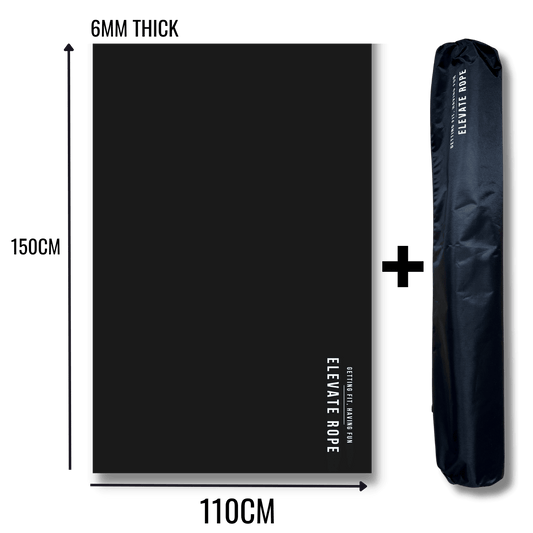
It does not eliminate impact or guarantee protection against injury. A training mat can protect the rope and define your exercise area, but cannot treat joint pain.
In jump rope vs running, choose the movement your body tolerates and progress gradually.
Time Efficiency: Where Jump Rope Can Fit Better
Weight loss involves energy balance, but maintaining activity is also a scheduling challenge. Convenience can decide whether an exercise becomes a habit.
Less Preparation for a Short Session
Running may mean planning a route, checking weather, or travelling to a suitable location. However, a run can also begin at your front door.
A rope works in a small, clear space with enough height and a safe surface. That makes a ten-minute jump rope session possible during a busy day.
You still need a short warm-up and appropriate recovery. The benefit is convenience, not magical calorie efficiency.
A Repeatable 10-Minute Rope Session
| Time | Activity |
| 0:00–2:00 | Gentle marching and easy preparation |
| 2:00–8:00 | Six rounds of 20 seconds jumping and 40 seconds recovery |
| 8:00–10:00 | Easy walking and relaxed breathing |
This includes two minutes of actual jumping, not ten. Beginners can reduce the work intervals further.
For other short-session structures, read why 10-minute workouts can be useful.
Consistency Matters More Than a Single Hard Workout
Three planned sessions you complete are more valuable than three ambitious sessions you skip.
Start with a frequency that supports recovery. Build total weekly movement rather than chasing maximum effort every day.
The CDC's weight-management guidance explains how activity and food intake together contribute to a calorie deficit.
Neither jump rope nor running replaces sensible nutrition. Choose the routine you can maintain.
Muscle Engagement: How the Movements Differ
Both activities involve your lower body and postural muscles. The difference is how the upper body participates.
What Running Emphasises
Running repeatedly uses your calves, thighs, glutes, and hips. Your arms and trunk help maintain coordination and posture.
That makes running excellent for developing the specific endurance required for longer distances.
What Jump Rope Adds
Your legs drive each small bounce. Your shoulders, forearms, and wrists guide the rope, while your trunk stabilizes your position.
This makes jump rope a coordination challenge as well as a cardiovascular activity.
More muscles being involved does not automatically prove greater calorie burn or a more balanced physique. Effort and duration remain essential.
The rope's resistance also matters. A speed rope and a heavy rope feel different, even with the same jumping pattern.
Where Running Genuinely Wins
An honest jump rope vs running comparison should recognize running's advantages.
Distance-Specific Endurance
Training for a 10K or half marathon requires running. Skipping can complement conditioning, but it cannot replace practising race pace and distance.
Outdoor Time and Mental Space
Many people love running because it provides scenery, fresh air, and uninterrupted time away from screens.
If that experience encourages regular activity, it is a meaningful advantage.
Longer Continuous Sessions
It is often easier to sustain a comfortable run than continuous skipping for the same duration. The learning demands and local muscle fatigue differ.
Thirty or sixty minutes of running may produce greater total calorie burn than a much shorter rope session.
No Rope Timing to Learn
Running still requires appropriate progression, but you do not need to coordinate a rotating cable.
Some beginners find this simpler. Others enjoy learning jump rope rhythm because practice feels like developing a skill.
Short answer: Running wins when your goal is distance performance, long outdoor sessions, or minimal coordination demands.
Why it matters: Enjoyment and repeatability are as important as a per-minute estimate.
Best next step: Decide whether you prefer sustained movement, short skill-based intervals, or both.
The Verdict on Jump Rope vs Running for Weight Loss
There is no universal winner for fat loss.
If you enjoy a longer run and can maintain it comfortably, running is a strong choice. If you want short cardio sessions in a small space, skipping may fit better.
A fast rope workout can produce high calorie burn per minute. But it cannot erase the importance of total duration, nutrition, or recovery.
The best jump rope vs running choice is the one that supports a realistic weekly habit.
You can also combine them: run for sustained endurance, then use short rope sessions for coordination or interval variety.
Choosing Your First Jump Rope If You're Switching From Running
You do not need the most expensive equipment to begin. Choose the rope that matches your current coordination and workout goal.
Beaded Rope for Learning Rhythm
A beaded rope offers sound and feel during rotation. That feedback helps you notice when the cable approaches your feet.
Beaded rope feedback makes early timing easier to follow.

Browse Elevate beaded ropes if your main goal is learning a consistent basic bounce.
Speed Rope for Faster Cardio
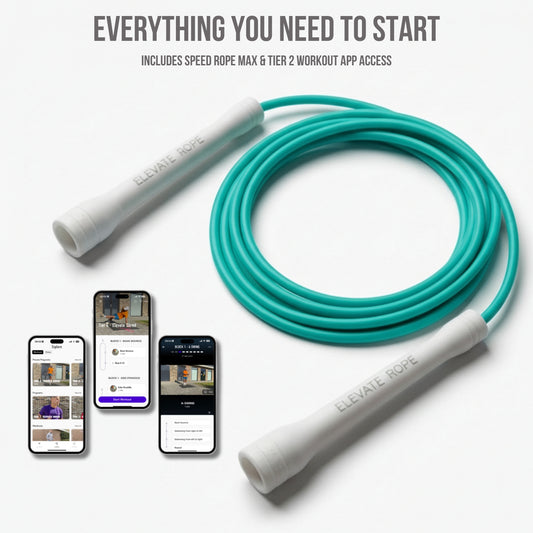
A speed rope uses a thinner, more responsive cable. It can suit quick intervals once your basic technique feels reliable.
Explore Elevate speed ropes for faster rotations and conditioning.
TITAN 7MM for Added Cable Resistance
The TITAN 7MM weighted rope adds resistance through its thicker cable.
That can challenge your rope control and upper-body endurance, but it does not automatically break weight-loss plateaus.
Start with shorter intervals if you are accustomed to lightweight equipment.
Bundles for Gradual Progression
A rope bundle can combine a beaded rope with a speed rope for different training days.
Buy for your current ability rather than assuming every rope type is necessary from day one.
Your Next Step
The jump rope vs running decision does not need to be permanent.
Try a short rope session this week. Keep a run in your schedule if you enjoy it. Observe which activity you can repeat comfortably.
Start small, practise consistently, and allow recovery. The most useful workout is one that fits the life you actually lead.
Watch Geraldo Alken's 20-minute jump rope HIIT workout for interval ideas once you have a comfortable basic bounce.
Frequently Asked Questions
Is Jump Rope vs Running Better for Losing Belly Fat?
Neither activity targets belly fat directly. Both can contribute to overall energy expenditure and a calorie deficit. Your food intake, total activity, and consistency influence body-fat changes. Choose the exercise you enjoy and can repeat safely. Jump rope versus running is a practical routine choice, not a spot-reduction method.
How Long Should I Jump Rope to Equal a 30-Minute Run?
There is no universal time conversion. Calorie burn depends on your pace, weight, and active minutes. Harvard's estimates show fast skipping can outburn moderate running per minute, but not every workout reaches that intensity. A ten-minute interval session with rests cannot automatically replace thirty continuous minutes of running.
Is Jump Rope Better for Your Knees Than Running?
A small biomechanics study found lower landing forces for one bounce-rope technique than during running. That does not prove fewer injuries or guarantee knee safety. Your technique, workload, symptoms, and training history matter. Start gradually, use a stable surface, and seek appropriate advice for persistent or worsening pain.
Can I Lose Weight With 10 Minutes of Jump Rope a Day?
Ten minutes can help you build regular activity, but there is no guaranteed weight-loss result. Some of that time may include warm-up and rest. Nutrition and total weekly activity remain important. Start with manageable intervals and progress slowly. A repeatable short session is a useful starting point, not a shortcut.
Should I Combine Jump Rope and Running?
Yes, if you enjoy both and recover comfortably. Running can support longer continuous aerobic sessions. A rope can add short coordination or conditioning workouts. Introduce total training volume gradually instead of making both activities intense immediately. Balance your schedule with rest and any strength work you already perform.
Should Beginners Buy a Beaded Rope or Speed Rope?
A beaded rope is often easier for complete beginners because the moving beads provide sound and feel. A speed rope can suit faster conditioning after basic timing improves. Neither choice guarantees faster weight loss. Select the rope you can control, check its length, and practise short sessions before progressing.
About Elevate Rope
Elevate Rope helps people turn movement into repeatable habits through practical training guidance and purpose-built jump ropes.
Our focus is not one perfect workout. It is learning a skill, showing up consistently, and building trust through small promises kept.
Together We Elevate.