




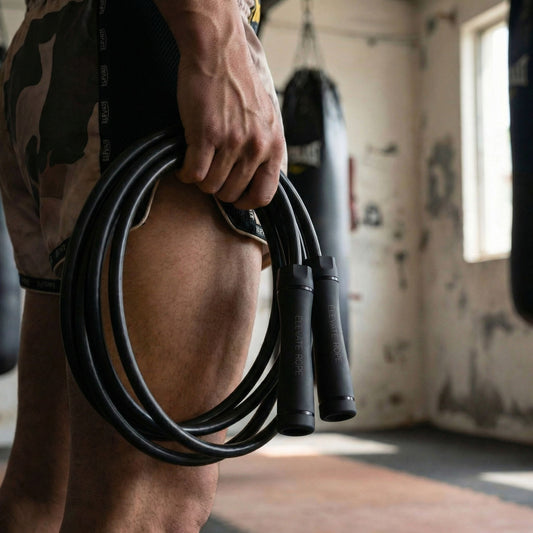


Jump rope looks simple until it is not. Feet catch the rope. Shoulders creep up. Breathing turns messy fast. Most people blame fitness. The real issue is usually the same. The body lacks a repeatable rhythm under fatigue.
One habit fixes that faster than extra cardio days. It is short, low-impact strength work, done consistently. It builds springy feet, a stable trunk, and better posture. It also makes stamina feel easier, because movement gets cleaner.
This is not about doing more. It is about doing the right support work. The payoff shows up in every rope session.
The One Habit That Changes Everything
The habit is a 3-day weekly “control block.” Each session takes 20 to 30 minutes. The focus stays on controlled resistance and posture. The goal is better mechanics, not exhaustion.
This matters because jump rope is a skill plus conditioning. Better skills reduce wasted energy. Less wasted energy means better stamina. It also means fewer trips and fewer sloppy landings.
A control block trains three things at once.
-
Ankle and calf resilience
-
Core control that keeps the ribs stacked
-
Upper-back strength that keeps shoulders relaxed
That combination upgrades rope work without adding impact.
Why Footwork Improves When Strength Is Controlled
Footwork is not only about speed. It is timing, stiffness, and landing control. When calves fatigue, their feet slap the ground. When ankles lose control, the rope catches more often. Strength fixes this, but only if it is specific.
Controlled resistance builds “quiet power.” It teaches the lower leg to absorb force. It also teaches the foot to stay under the hips. That is the position that keeps the rhythm smooth.
Three moves do most of the work.
-
Slow calf raises with a pause at the top
-
Single-leg balance with a small knee bend
-
Step-downs with a slow lowering phase
Do these with control, not speed. The goal is cleaner landings later.
Why Posture Is the Shortcut to Better Rhythm
Posture sounds like a “nice to have.” For rope work, it is a performance lever. When posture collapses, breathing changes. Shoulders roll forward. The head drifts. Rope timing becomes inconsistent.
A good posture cue is simple. Ribs over pelvis. Head tall. Shoulders down and back. Hands stay relaxed at hip height.
Controlled training supports those cues because it strengthens the right areas.
-
Upper back and rear shoulders
-
Deep core stabilisers
-
Glutes that keep the pelvis steady
When those areas work, rope sessions feel smoother. Arms stop overworking. Breath stays calmer longer.
Why Stamina Improves When Movement Gets Cleaner
Stamina is not only the heart and lungs. It is also efficient. Efficient movement costs less energy. That means longer rounds without panic breathing.
Jump rope punishes inefficiency fast. Small mistakes add up.
-
Jumping too high wastes energy
-
Landing heavy increases fatigue
-
Tense shoulders, raised breathing rate
-
Wide arm circles slow the rope
A control block reduces these leaks. It improves movement economy. That is why stamina climbs without adding more rope volume.
Recent research also supports jump rope training for fitness. A 2025 study in Sports found that jump rope training improved measures of cardiovascular capacity and strength in a university program.
The 60-Second Form Reset That Saves a Session
Rope sessions go downhill fast once form slips. The fix does not need a long break. Use a quick reset that calms the body and restores rhythm. Stop for 60 seconds. Drop the shoulders. Shake out the hands. Take 3 slow breaths, with long exhales.
Then do 10 seconds of tiny, quiet hops without the rope. Keep feet under hips. Keep ribs stacked over the pelvis. Now pick up the rope and restart with an easy pace for 20 seconds. This resets train control under fatigue. It also prevents sloppy reps from turning into bad habits.
Where a Reformer Fits as Low-Impact Cross-Training
Jump rope is a high-skilled and high-impact activity. Many athletes need low-impact support work. That is where reformer-style resistance can help. Springs create a load without heavy landings. The carriage also forces control through the trunk and hips.
This is useful for rope athletes for two reasons. It builds strength without pounding joints. It also trains core stability under moving resistance.
For anyone building a home setup, a reliable reformer machine setup can support this kind of training. It gives controlled resistance for legs, glutes, and the upper back. It also fits busy schedules, since sessions stay efficient.
Some people search for studio-style machines by brand terms. That is normal in the USA. A safer approach is comparing features and training feel. Focus on stability, resistance options, and smooth mechanics.

The 5 Mistakes That Kill Progress
Most rope athletes hit the same wall. These fixes matter.
Mistake 1: Jumping too high.
Keep jumps low and quick. Think quiet feet.
Mistake 2: Arms doing the work.
Turn from wrists, not elbows. Keep your hands close.
Mistake 3: Training hard every session.
Mix hard and easy days. Skill improves on easy days.
Mistake 4: Ignoring calves and shins.
Lower legs fatigue first. Train them on purpose.
Mistake 5: Letting posture collapse.
Reset ribs over the pelvis often. That keeps breathing smoother.
How to Progress Without Overuse
Jump rope is repetitive. Ankles and calves notice volume fast. Progress should be steady, not aggressive.
Use one simple rule. Change only one thing each week.
-
Add 1 extra rope round, not three
-
Add 1 set to one strength move
-
Add 5 seconds to intervals
If pain lingers for days, reduce volume early. Keep training, but lower the load. Recovery is part of the plan, not a failure.
ACSM also recommends resistance training at least two non-consecutive days weekly. That baseline supports strength and injury resilience over time.
Conclusion
Better footwork, posture, and stamina come from cleaner movement under fatigue. A short control block builds that foundation fast. It strengthens ankles, stabilises the core, and keeps posture strong. Rope sessions then feel smoother and more repeatable. That is the habit that fits busy weeks and delivers results.
Enjoy this Article? You May Also Like:
- The Ultimate Guide to TPU Jump Ropes: Benefits and Best Practices
- Top 10 Essential Workouts for Women of All Fitness Levels
- Jump Rope Fundamentals: The Dos and Don’ts of Jump Rope Workouts
- The Weighted Jump Rope Workout: Blast Fat, Build Muscle, and Boost Fitness
- Jump Rope Vs. Other Cardio Exercises: The Ultimate Cardio Showdown