









Not because it creates future Olympians. It builds confidence that transfers. It builds friendships worth showing up for. Beginner sports create a foundation for athleticism. They also teach body awareness. They teach the joy of belonging.
Finding Community on the field for beginner sports
Every town has a field or gym that comes alive on weeknights. Teams gather. Families bring folding chairs. Kids learn that showing up matters. Beginner sports are where many kids start. They start with belonging before skill.
Soccer, baseball, or basketball all work. The first practices feel simple. They teach teamwork and routine. Parents choose beginner sports to teach basics. They also want kids to find their place.
Joining local leagues can help anywhere you live. It is not about pushing young athletes. It is about giving them a team. That sense of community matters as much as exercise. Kids miss shots and try again. They learn fast. Beginner sports make progress feel normal. Teammates cheer and kids keep coming back.

Building Skills That Go Beyond the Game
Children don’t recognize discipline when they first start practicing, but they absorb it. Tying shoes before practice, remembering to bring water, lining up, and waiting their turn—these tiny rituals teach patience and structure. At the same time, their bodies learn balance, coordination, and timing.
Even sports that seem simple from the sidelines teach muscle memory and reflexes. Those skills carry into biking and swimming. They also pick up quieter skills. Sports create a safe space where lessons about respect, empathy, and resilience happen naturally. For more on why movement matters for kids, see the CDC’s guidance on physical activity for children and adolescents: physical activity for kids
A lost game can sting, but kids learn to carry it lightly. There’s always another one coming. That rhythm of effort and recovery becomes something they draw on later, when challenges get bigger than a ball game.
Why Simple Skills Still Matter
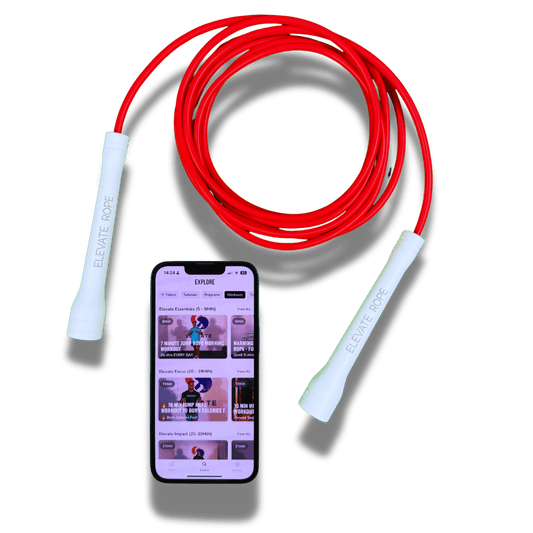
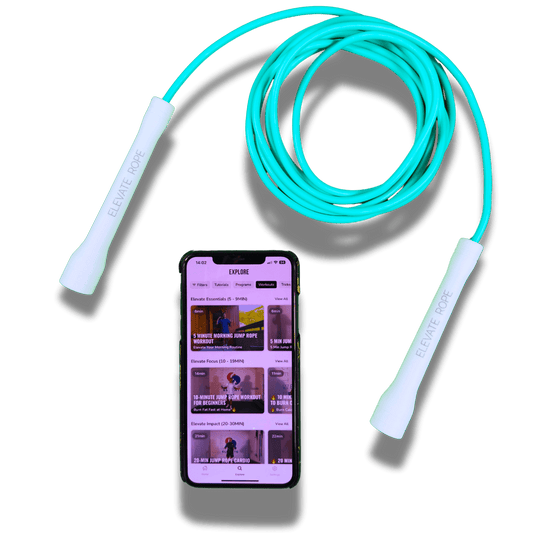
Not every child is ready for full-blown competitive play, and that’s where the basics shine. Activities like tag, hopscotch, and especially learning to jump rope give kids the kind of foundation they need without overwhelming them. What appears to be a simple playground pastime is actually a form of coordination training in disguise.
It teaches timing, rhythm, and stamina, and it rewards persistence in a way kids can feel instantly. They trip, they start again, and eventually, the rope clears their feet ten times in a row. It’s a reminder that progress is visible and achievable. These smaller steps also let children ease into movement without the weight of performance.
For some, it’s the confidence booster that makes them willing to try larger team sports later. Even for kids who never move beyond the basics, these activities keep them active and connected to the joy of play, which is the ultimate goal.

Balancing Competition and Fun
Parents often wrestle with the line between encouraging healthy competition and protecting their child’s sense of play. Too much pressure too early can drain the joy out of sports, but gentle exposure to competition can also build resilience. The trick is not letting the scoreboard become the story.
A Saturday morning soccer game should feel more like a community gathering than a career move. The cheers should be for effort, not just for goals. Coaches who balance teaching with patience help kids realize that while winning feels good, the bigger reward is the time spent together.
Over time, children start to care less about comparing themselves to others and more about surpassing their own previous attempts. That shift—from external validation to internal motivation—is one of the greatest gifts beginner sports can offer.
Health Benefits That Sneak In
For kids, exercise should feel like play, but that doesn’t mean it isn’t laying serious groundwork for their health. Regular movement strengthens bones, muscles, and the cardiovascular system for years to come. It also burns off excess energy, making evenings calmer and sleep deeper. Mental health benefits are just as clear. Beginner sports make that movement feel fun and natural.
Children who move regularly tend to report less anxiety, greater focus, and improved moods. Being part of a team also gives them social anchors as school life gets more complicated. Parents may notice their child walking taller, eating better, or smiling more. Those shifts often come from hours spent running, climbing, or tossing a ball with friends. Health doesn’t have to be a lecture. Beginner sports can build it through laughter and sweat on a field.
Beginner sports are less about finding future champions and more about planting seeds. They give kids the chance to move, to stumble, to celebrate, and to discover their bodies can do more than they thought. They offer parents a front-row seat to growth measured in smiles, high-fives, and confidence.
No matter the sport, no matter the level, these early experiences stay with kids. And that is worth every minute on the sidelines.
Enjoy this Article? You May Also Like:
- How Duplicate Procedure Pages Hurt Plastic Surgeon SEO Rankings
- The Connection Between Teeth Care and Self-Confidence
- How to Safely Resume Exercise After Plastic Surgery
- Online Deals and Coupon Codes for Popular Retail Purchases
- Outdoor Micro-Gyms That Turn Hotel Guests Into Regulars