





The best jump rope for women over 50 is not the fastest or the heaviest. It is the one you can control. Gentle, forgiving, and kind to your joints beats flashy every time.
After 50, your priorities shift. Bone support matters, but not at the cost of your knees. You want a rope that builds confidence, not one that trips you on jump three.
This guide sits inside our hub on jump rope for menopause. It helps you choose well, then start safely. The short version is simple. For most women over 50, a beaded jump rope is the smart first pick.
What You'll Learn
→ Which qualities make a jump rope safe and effective after 50 → How the main rope types compare for bone health and joints → Why the beaded rope suits most women over 50 best → What surface and shoes protect your knees as you start → When a speed rope becomes the right next step → Simple checks before you buy, so you get it right the first time
What Makes a Jump Rope Right After 50
Choosing well starts with knowing what actually matters at this stage. A rope that suits a 25-year-old boxer is wrong for a careful start at 55. Your body sets different priorities now.
Control comes first. You want a rope that turns at a learnable pace, not a blur. Slower, predictable rotation means fewer trips and softer, safer landings.
Feedback matters almost as much. A good jump rope tells you where it is as it travels. That signal lets you keep rhythm without staring at your feet.
Fit is the quiet essential. An adjustable rope, sized to your height, protects your posture and your shoulders. A rope that is too long forces sloppy, tiring form.
Durability and support round it out. Solid handles and a decent cord last through daily use. Guided app sessions add structure, ideally without a pricey annual subscription.
One more factor is quiet reassurance. A rope backed by real guarantees and free returns lowers the risk of trying. You can start without fearing that a wrong choice wastes money.
| What to look for | Why it matters after 50 |
| Controllable pace | Fewer trips and gentler, more deliberate landings |
| Feedback you can feel | Keeps timing steady without watching the rope |
| Adjustable length | Correct fit protects your form, wrists, and shoulders |
| Forgiving cord | Kinder on joints than a fast, thin racing cable |
| Guided app | Structure and progression without a costly subscription |
Keep these five in mind and the choice narrows quickly. Most ropes fail on at least one. The next section shows which type ticks the most boxes for you.
The Rope Types, Compared for Women Over 50
Four rope types dominate the market. Each suits a different jumper. Only one is built for a gentle, bone-focused start after 50.
A beaded rope uses a cord threaded with plastic beads. The beads add gentle weight, so you feel the rope clearly through your hands and arms. That weight also slows the swing to a controllable, learnable pace.
A lightweight PVC rope is cheap and very light. That sounds appealing, but it works against beginners. It moves too fast and offers little feedback, so trips come often.
A speed cable is thin and quick. It is superb for double-unders and HIIT, later in your progression. Early on, though, it moves faster than a careful new jumper can track.
A weighted rope adds load for strength work. The extra mass raises the demand on your wrists and shoulders. For someone new to impact at 55, that added strain is a poor trade.
Notice the pattern across these four. The lighter and faster a rope is, the less control it gives a beginner. The beaded rope sits in the sweet spot for a careful start.
| Rope type | Best for | Watch-outs after 50 |
| Beaded rope | Learning, control, bone-friendly impact | Slightly heavier swing, which most beginners find helpful |
| Lightweight PVC | Budget, portability | Too fast, little feedback, frequent tripping |
| Speed cable | HIIT and double-unders later | Moves too quickly for a careful start |
| Weighted rope | Strength and power focus | More wrist and shoulder load, intimidating early on |
Heavier ropes deserve one honest note. They add wrist and shoulder load that this stage does not need. So they are not the entry point, even though they suit fighters and advanced jumpers.
Short answer: For most women over 50, a beaded jump rope is the best choice, for its control and feel.
Why it matters: The right rope makes the habit stick, while the wrong one ends in frustration by week two. Control and feedback are what keep you jumping safely.
Best next step: See the full head-to-head in our guide on beaded versus weighted rope for bone health.

Why the Beaded Rope Wins for Women Over 50
Before you buy anything, make sure impact is right for you. Our jump rope safety guide for menopause covers who should check with a doctor first. Read it, then choose with confidence.
The beaded rope earns its place through feel. Its beads give you feedback through your hands and arms as the rope travels. That tactile signal keeps your timing honest, without relying on sound.
This point matters more than it seems. Many women train with earphones in, so an audio cue is useless. A rope you can feel keeps every jump controlled and deliberate.
The beads also slow the rotation to a pace you can learn. You rush less, trip less, and land more softly. Slower turns mean kinder landings for your knees and hips.
Fit is effortless too. The beaded jump rope range adjusts to 3 metres, sized to your height with scissors in about a minute. The free app adds guided sessions, with no subscription, unlike rivals charging around 150 euros a year.
None of this relies on being sporty or coordinated. The rope does the teaching. That is exactly what you want when you are starting impact later in life.
There is a quiet confidence that comes with the right tool. When the rope cooperates, you stop bracing for failure. That shift, from dreading jumps to trusting them, is what keeps a jump rope in daily use.
Short answer: The beaded rope wins because it is controllable, gives feedback you can feel, and forgives beginner mistakes.
Why it matters: A forgiving rope turns a nervous first week into a steady habit. Confidence, not intensity, is what carries bone health forward.
Best next step: Put your new rope to work with our gentle 10-jump bone-building routine.
What to Buy Alongside Your Rope
A rope is most of the answer, but not all of it. Two small additions protect your joints and your progress. Neither is expensive, and both pay off quickly.
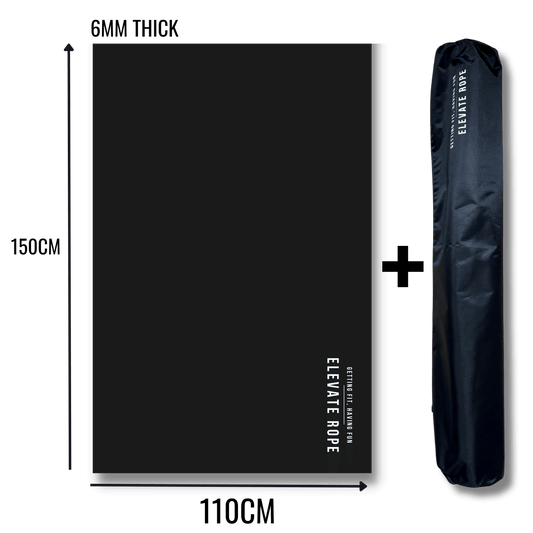
Start with the surface. Bare concrete punishes ankles and knees on every landing. A dedicated jump rope training mat softens each landing and protects your floor.
The mat also earns its keep on durability. Jumping on a mat rather than concrete extends the life of the cord. That saves you replacements and money over the months ahead.
Then think about your feet. Supportive, cushioned trainers absorb shock that your joints otherwise take. Worn-out shoes with flat soles make a gentle rope feel harsh.
Together, the rope, the mat, and good shoes form a simple, joint-friendly kit. You do not need a home gym. You need three things that respect your body.
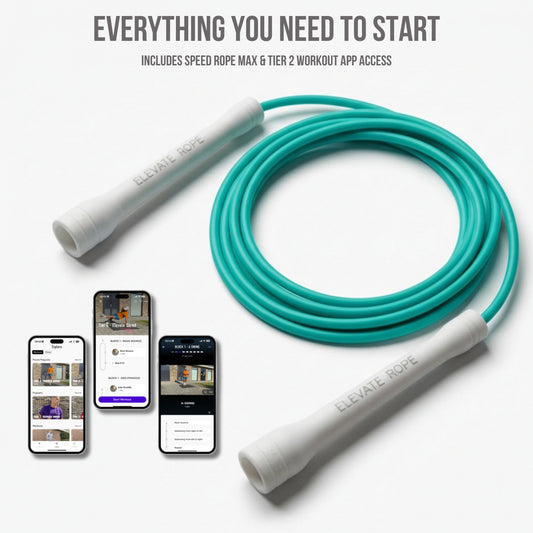
Guidance counts as equipment too. A beginner does better with a plan than with a blank room. The free app that comes with the rope gives you structure from your first session.
None of this needs to be costly. A rope, a mat, and decent shoes cost less than a month of gym fees. You buy them once, and they serve you for years.

When a Speed Rope Becomes Your Next Step
The beaded rope is your first tool, not your only one forever. As your balance and confidence grow, variety keeps things interesting. That is when a lighter, quicker rope starts to make sense.
A speed rope suits faster footwork and short cardio bursts. Once your landings are soft and your rhythm is steady, it adds a new challenge. You can browse the speed rope range when that day comes.
There is no rush to get there. Many women stay happy with the beaded rope for months. It keeps delivering bone-friendly impact long after the nervous first week.
Think of your ropes as a small progression, not a single purchase. The beaded rope teaches control and protects your bones. A speed rope, later, keeps your cardio fresh once the basics feel automatic.
When you do progress, do it gently, as with everything here. Our guide on staying consistent through menopause shows how to add variety without losing the habit.
A Simple Pre-Buy Checklist
A minute of checking now saves regret later. Run through these before you order. Each one keeps your first rope working for you, not against you.
→ Confirm you are cleared to jump, especially with any bone diagnosis → Choose a beaded rope for control, feel, and a gentle start → Check it adjusts to your height, so your form stays clean → Add a mat, so your knees and floor are protected from day one → Line up supportive shoes before your first session → Pick a rope with free guided workouts, not a costly subscription
Short answer: Get cleared, choose a beaded jump rope, size it right, and add a mat and good shoes.
Why it matters: A few small checks turn a hopeful purchase into a habit that lasts. The right setup removes the excuses that end most attempts.
Best next step: Ease in with our guide on how to start jump rope after 50.
Frequently Asked Questions
What is the best jump rope for women over 50?
For most women, a beaded rope is the best jump rope for women over 50. It turns at a controllable pace and gives feedback you feel through your hands. That makes learning safer and softer on the joints.
Is jump rope safe after 50?
For many healthy women, yes, when introduced gently. The main caution is a bone diagnosis, so check with your doctor if you have one. Read our jump rope safety guide before you begin.
Why not just buy a cheap plastic rope?
Light plastic ropes move too fast and give little feedback. That combination causes frequent tripping for beginners. A beaded rope costs a little more and makes learning far easier.
Do I need a mat to jump rope at home?
A mat is strongly recommended, though not compulsory. It cushions each landing and protects your knees and your floor. It also extends the life of the rope, which saves money over time.
How long should a jump rope for women over 50 be?
Stand on the centre of the rope, and the handles should reach near your armpits. Elevate ropes adjust to 3 metres and size with household scissors. Correct length keeps your form clean and your shoulders relaxed.
Can I use a weighted rope for bone health?
You can, but it is rarely the right start after 50. The extra load raises wrist and shoulder strain and feels intimidating early on. A beaded rope gives bone-friendly impact with far less risk.
When should I switch to a speed rope?
Move on only once your landings are soft and your rhythm is steady. A speed rope then adds faster footwork and short cardio bursts. There is no rush, and the beaded rope keeps working in the meantime.
Your Next Step, Based on Where You Are
If you are new to impact and cleared to start, keep it simple. A beaded rope plus a training mat gives you control, feedback, and cushioning from day one. That is the whole kit most women over 50 need.
If your balance and confidence are already strong, you can look ahead. Keep the beaded rope as your bone-building anchor, then add a speed rope for variety once your rhythm holds. Progress gently, and let the habit lead.
If you would rather buy everything in one go, we have mapped that too. See our complete bone-health starter kit for menopause to compare the options. Whatever you choose, the goal is the same. It is a kept promise, repeated, that protects the body you live in. Keep the promise. Elevate the rest.
Sources
- Royal Osteoporosis Society, Exercise for bone health: https://theros.org.uk/information-and-support/bone-health/exercise-for-bones/
- International Osteoporosis Foundation, Exercise for individuals with osteoporosis: https://www.osteoporosis.foundation/health-professionals/prevention/exercise/exercise-individuals-with-osteoporosis
- Brooke-Wavell K, et al. Strong, Steady and Straight: UK consensus statement on physical activity and exercise for osteoporosis, British Journal of Sports Medicine, 2022: https://pmc.ncbi.nlm.nih.gov/articles/PMC9304091/
- Tucker LA, et al. Effect of two jumping programs on hip bone mineral density in premenopausal women, American Journal of Health Promotion, 2015: https://pubmed.ncbi.nlm.nih.gov/24460005/
- Montgomery G, et al. Feasibility of a jumping intervention for postmenopausal women, randomized controlled study: https://pmc.ncbi.nlm.nih.gov/articles/PMC10664055/
- Hospital for Special Surgery, Why jumping rope is the ideal post-menopausal workout for your bones: https://news.hss.edu/why-jumping-rope-is-the-ideal-post-menopausal-workout-for-your-bones-according-to-an-exercise-scientist/
- The Menopause Charity, Menopause and urine incontinence: https://themenopausecharity.org/information-and-support/symptoms/menopause-and-urine-incontinence/
You May Also Like
→ Is Jump Rope Safe During Menopause? Who Should and Should Not
→ Beaded vs Weighted Rope for Bone Health After Menopause
→ The 10-Jump Method: A Gentle Bone-Building Routine
→ How to Start Jump Rope After 50 Without Hurting Your Joints