





Jump rope is an excellent tool for golfers aiming to improve their footwork, timing, and balance before hitting the range or course. Focused rope sessions build coordination and fast-reacting muscles that play a crucial role in swing speed and consistency. Adding jump rope to your warm-up routine prepares your mind and body for more productive practice, making every part of your golf game sharper and more athletic for better golf fitness.
Many golfers overlook the role of conditioning in their pre-round routine, but well-structured jump rope training can make a noticeable difference in performance. By building a foundation of athletic rhythm and control, a jump rope workout helps develop the quick footwork and fast-twitch muscle response needed for a reliable swing. In this article, you will discover the principles behind effective jump rope sessions for golfers, learn a simple 10-minute warm-up routine, and pick up a tip for making your practice sessions even more valuable. LostGolfBalls is one source for golfers who want practice balls that match their preferred game-day models, helping support a consistent feel from practice to play.
Why jump rope conditioning benefits golfers
Footwork and rhythm sit at the heart of a successful golf swing. Jump rope sessions naturally challenge both, offering immediate feedback if your timing goes off, as the rope will catch or interrupt your cadence. This feedback loop keeps you focused on maintaining the steady, coordinated footwork essential for a repeatable swing motion and complements a broader approach to golf fitness without adding complicated equipment.
Balance is another critical factor for golf performance, especially as your swing speed increases. Jump rope routines require you to stay centered and react quickly to each rotation, building fast-twitch power that can directly transfer to a dynamic golf swing. Practicing controlled landings and tempo during jumps reinforces the core control and lower-body stability golfers need throughout the round.

Cardiovascular endurance plays a significant role in maintaining focus and energy levels throughout an entire round of golf. Jump rope training elevates your heart rate efficiently, building stamina that helps you stay mentally sharp on the back nine when fatigue typically sets in. Regular rope sessions condition your body to recover quickly between shots, ensuring your swing mechanics remain consistent even during physically demanding tournament conditions or hilly courses that require extensive walking.
Structuring an effective jump rope session for golf
To gain the most from jump rope training, golfers should focus on controlled, tempo-based sessions rather than speed alone. Working to a set beat—for example, 100 to 120 BPM—helps you internalize a steady rhythm. Pay attention to jump height, body posture, and evenness of your landings. Brief sets, such as 30 to 45 seconds on with equal rest, sharpen your form and maintain quality as fatigue sets in for any jump rope workout.
Progress by increasing the tempo slightly or adding more complex footwork patterns, such as alternating feet or introducing side-to-side hops. Monitoring your consistency and refining your technique during each set ensures the skills you build with the rope are relevant and transferable to your golf swing, especially when executing smooth transitions from start to finish.
Consistency in training frequency matters more than intensity for golfers incorporating jump rope work. Aim for three to four sessions per week, allowing adequate recovery between workouts to prevent overuse injuries while still building neuromuscular adaptations. Consider scheduling jump rope sessions on days when you plan lighter golf practice or before range sessions, as the activation benefits carry over immediately to your swing work as part of a reliable golf warm up. Track your progress by noting how long you can maintain clean form without breaks, gradually extending work intervals as your conditioning improves.

A practical 10-minute jump rope routine
This routine targets the footwork, balance, and rhythm needed for golf. Perform each segment for two minutes, resting briefly if you trip or lose pace, and focus on smooth movement throughout:
- 0:00-2:00 Easy single-bounce, focusing on relaxed shoulders and steady timing.
- 2:00-4:00 Alternate-foot step, mimicking golf swing weight shifts.
- 4:00-6:00 Mix 20 seconds steady with 10 seconds slightly faster, repeating twice.
- 6:00-8:00 Lateral hops just a few inches side to side, maintaining balance and posture.
- 8:00-10:00 Return to single-bounce, then finish with 20 seconds at brisker pace for activation.
Right after your jump rope routine, incorporate practice swings to reinforce the sense of rhythm and foot connection you have just trained. During your practice, use the same ball model as on the course for consistency in feedback. For example, if you play with Pro V1 golf balls, bring those to practice so your feel and shot response stay aligned. Consistency in equipment helps you accurately interpret improvements in rhythm, ball striking, and overall timing, and some players also plan their pro v1 golf balls supply ahead of time to avoid mixing models during sessions.
As you become comfortable with this basic routine, consider adding variation to challenge different movement patterns relevant to golf. Single-leg hops can strengthen ankle stability and improve balance on uneven lies, while double-unders develop explosive power similar to what you need for maximum driver distance. These progressions also pair well with other agility exercises when you want to expand footwork training beyond the rope. Pay particular attention to your landing mechanics—soft, controlled landings with knees slightly bent mirror the athletic posture you want at address and throughout your swing. The rope provides instant feedback when your timing or balance falters, making it an honest training partner that highlights areas needing attention, especially when you treat it as a focused golf warm up before full swings.
Practical tips for maximizing jump rope impact and practice quality
Track simple benchmarks during your jump rope sessions, such as total misses per set or how well you maintain rhythm as you tire. Over time, you should see greater consistency and fewer interruptions. If you struggle to keep control at higher tempos or with more complex patterns, treat those moments as opportunities for targeted improvement.
Many golfers find it helpful to practice with a specific type of ball, as previously mentioned. Brands like LostGolfBalls provide options for matching practice balls without sacrificing the feel of your game-day choice. This habit, combined with a purposeful jump rope routine, makes every practice more intentional and builds mental as well as physical readiness for real golf situations, including dialing in distances with pro v1 golf balls.
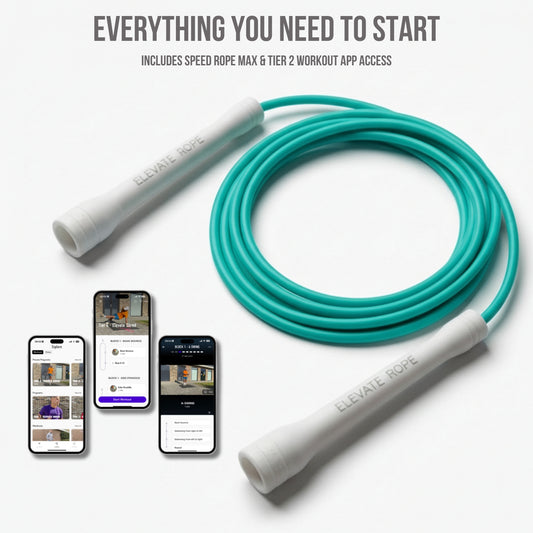
Equipment selection extends beyond golf balls to the jump rope itself—choose a rope with appropriate length and weight for your height and skill level. Speed ropes work well for developing quick footwork, while slightly heavier ropes can build more shoulder and forearm endurance. Before each session, perform light dynamic stretching focusing on ankles, calves, and shoulders to prepare your body for the repetitive impact for a complete golf warm up. A dynamic warm-up approach fits this goal because it emphasizes movement readiness before sport-specific practice. After completing your rope work, take a moment to assess how your body feels—this awareness of physical readiness translates directly to better pre-round preparation and helps you identify when you need additional warm-up before teeing off, and LostGolfBalls can help you keep practice supplies steady when you train regularly.