





Clean living starts with making more informed choices about what you buy, use, eat and bring into your daily routine. It does not require a perfect lifestyle. It also does not mean every natural product is automatically better.
For active people, clean living can include food, personal care, household items and fitness gear. The goal is to understand what matters to you. Then you can make conscious choices that fit your budget, values and wellness routine.
That approach is more practical than replacing everything at once. It also makes product labels easier to evaluate. You can compare materials, sourcing, packaging and brand transparency without chasing every new wellness trend.
The same principle applies to sustainable products. Look for specific information instead of vague promises. A clear claim is easier to assess than broad language such as “green” or “clean.”
Below are seven practical ways to make clean living part of everyday wellness.
1. Clean Living Starts With Better Questions
Clean living becomes easier when you stop asking whether a product is simply “good” or “bad.”
Ask more useful questions instead.
What is the product made from? How long should it last? Can you reuse it? Does the company explain its sourcing? Are the product labels clear? Does the brand provide evidence for environmental claims?
These questions turn conscious choices into a repeatable process. They also help you compare sustainable products more fairly.
The FTC Green Guides explain how environmental marketing claims should be clear, specific and supported. That makes them a useful reference when you see terms such as recyclable, biodegradable or environmentally friendly.
That principle is useful for shoppers too. Look for details, not just attractive words.
A wellness routine should reduce unnecessary friction. Research the products you buy often first. You do not need to investigate every small purchase with the same intensity.
Start with items you replace regularly. Personal care, food, cleaning products and fitness gear are practical categories.
2. Read Product Labels Without Assuming “Natural” Means Safe
Product labels can provide useful information, but they still need context. Terms such as natural, botanical or plant-based can sound reassuring. They do not automatically prove safety or quality.
The FDA guidance on dietary supplements explains why consumers should carefully evaluate supplement ingredients and claims. A product described as natural is not automatically suitable for everyone.
If a supplement is part of your wellness routine, check the ingredients and directions. Consider interactions with medication or health conditions. Ask a qualified healthcare professional when needed.
Clean living should support informed decisions, not fear of unfamiliar ingredient names. A scientific-sounding ingredient is not automatically harmful. A plant-based ingredient is not automatically harmless.
The same logic applies when comparing sustainable products. Avoid judging a product from one word on the front label. Read the complete information when possible.
Good conscious choices are based on context. Look at what a product does, how you use it and whether the claims are supported.
3. Choose Fitness Gear You Will Actually Use

Clean living also applies to your training setup. Buying more equipment does not automatically create a better wellness routine.
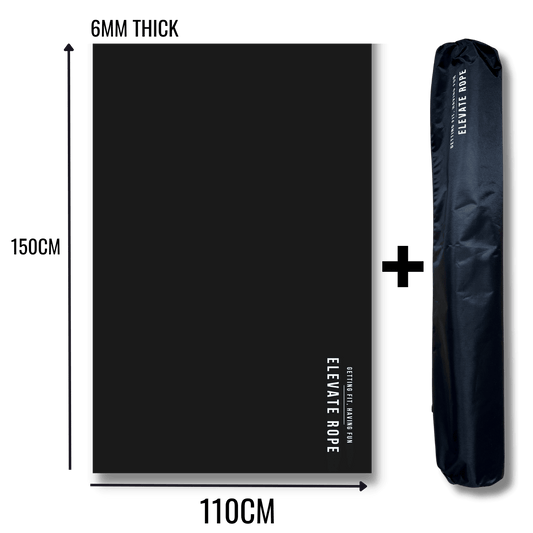
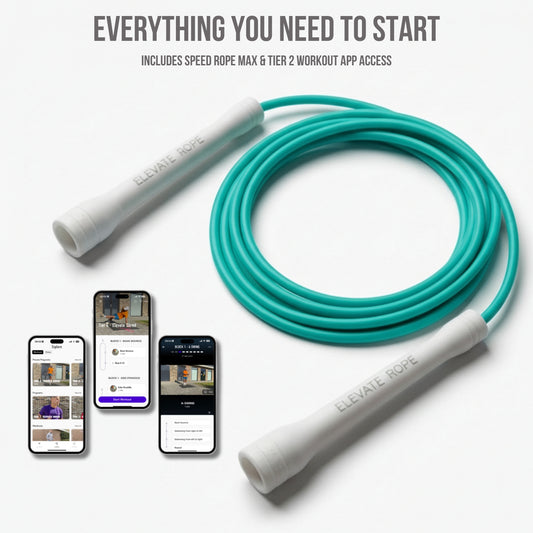
Start with simple fitness gear that matches how you train. A jump rope, training mat and comfortable clothing can support many short workouts. The best equipment is often the equipment you use consistently.
Durability also matters. Replacing fitness gear less often can reduce unnecessary purchasing. That makes long-term value part of your conscious choices.
Before buying, consider the materials, expected lifespan and replacement options. Check whether individual components can be replaced. Clear product labels or material descriptions can help.
If you are new to skipping, begin with technique before buying several rope types. Our Jump Rope Basics guide explains the essential movements to learn first.
Beginners can also use our Jump Rope for Beginners guide to build skills gradually.
This keeps your wellness routine simple. It also prevents fitness gear from becoming unused clutter.
4. Compare Packaging and Disposal Claims Carefully
Packaging is one of the easiest parts of clean living to notice. It is also one of the easiest areas to oversimplify.
Words such as recyclable, biodegradable and compostable do not always mean the same thing everywhere. Local collection systems and disposal conditions matter.
The FTC Green Guides also explain that environmental claims may need extra detail depending on the product and disposal system. This is another reason product labels should be specific.
A package can use recycled material without being recyclable in every location. Sustainable products still depend on local waste systems.
When possible, choose packaging that is easy to understand. Look for specific material information and clear disposal instructions.
You can also reduce packaging by buying fewer unnecessary items. Reusing what you already own is often one of the simplest conscious choices.
Do not let packaging become the only factor, however. Product durability, shipping, materials and how often you replace an item also matter.
Clean living works best when you look at the whole purchase.
5. Understand Certifications Before Trusting the Logo
Certifications can make product labels easier to interpret. However, a logo is only useful when you understand what it actually verifies.
For example, the USDA Organic standards define production and labeling requirements for qualifying agricultural products.
That does not mean every product without an organic seal is poor quality. It means the certification has a specific purpose and defined requirements.
The same approach works for other sustainable products. Check who created the standard. Find out what is measured. Look at whether independent verification is involved.
Conscious choices become stronger when you know what a certification covers and what it does not cover.
Avoid collecting logos as a shortcut. A wellness routine can include certified and non-certified products. The important part is understanding the evidence behind the claim.
Clean living is not about finding one perfect badge. It is about becoming more careful with the information you trust.
6. Buy Less and Use What You Own for Longer
One of the simplest clean living habits is also easy to overlook. Use what you already own.
You do not need a full replacement shopping list to make conscious choices. Constantly replacing usable products can work against the goal.
Before buying new fitness gear, check whether your current equipment still works. Repair, clean or replace a small component when practical.
Apply the same idea to your wellness routine. Finish products that are still suitable before replacing them because of a new trend.
This mindset can also make sustainable products easier to evaluate. A durable item that you use for years may fit your priorities better than several short-lived alternatives.
Cost matters too. Clean living should not require spending beyond your budget. A more expensive product is not automatically more ethical or more sustainable.
Set priorities instead. You may care most about durability, ingredient transparency, packaging or sourcing.
Once your priorities are clear, product labels become easier to compare. Your conscious choices become more consistent too.
7. Build a Clean Living Wellness Routine Gradually

Clean living works better as a gradual wellness routine than as an overnight transformation.
Choose one category first. You could review personal care, food, household products or fitness gear. Learn what the product labels mean before moving to the next category.
Then create one simple rule for yourself. You might check materials before replacing training equipment. You might research unfamiliar supplement ingredients. You might choose sustainable products with clearer packaging information.
Small conscious choices are easier to repeat. Repetition matters more than trying to make every purchase perfect.
This also reduces decision fatigue. Your wellness routine should support your health and training, not turn every purchase into a stressful research project.
Keep the process practical. Compare two or three realistic options. Check the claims that matter most. Then choose the option that fits your needs.
For fitness, consistency still matters more than buying more equipment. A simple jump rope workout plan can help you train with what you already have.
If time is limited, this 15-minute jump rope workout offers a compact routine.
Clean living should make your lifestyle clearer, not more complicated.
What Clean Living Does Not Mean
Clean living does not require perfection. It also does not require fear-based decisions.
You do not need to reject every synthetic material. You do not need to assume every natural ingredient is healthier. You do not need to replace your entire home with sustainable products.
Instead, focus on evidence and usefulness.
Read product labels. Compare claims. Think about durability. Consider how often you will use a product. Make conscious choices that match your own priorities.
Your wellness routine can remain flexible. It should adapt as you learn more.
Clean living is most useful when it helps you buy with more intention. It should not create guilt over every imperfect decision.
How Clean Living Fits an Active Lifestyle
An active lifestyle already depends on repeated habits. Training, recovery, food and sleep all improve through consistency.
Clean living can follow the same model. Make one practical change. Use it long enough to judge whether it helps. Then adjust.
Your fitness gear is a good example. You do not need every new training tool. Choose equipment that suits your current goals.
The same is true for sustainable products. Choose them because the materials, sourcing or packaging make sense to you. Do not choose them only because a label uses fashionable language.
Product labels should help you understand a purchase. They should not replace your judgement.
Over time, these conscious choices can become automatic. Your wellness routine becomes simpler because you know what you value.
That is the most realistic version of clean living.
Frequently Asked Questions
What does clean living actually mean?
Clean living means making more informed decisions about the products and habits in your daily life. It can include ingredients, materials, packaging, sourcing and durability. The goal is not perfection. The goal is to make conscious choices that fit your health, budget, values and wellness routine.
Is clean living the same as buying only natural products?
No. Clean living does not mean that every natural product is automatically safer or better. Read product labels and consider how the product is used. Look for reliable information before deciding what fits your wellness routine.
How can I identify sustainable products?
Look for specific information about materials, sourcing, packaging, durability and disposal. Sustainable products should not rely only on vague environmental language. Check product labels and certifications. Then consider whether the claim fits how the item will be used and disposed of.
Do I need to replace all my fitness gear?
No. Keeping usable fitness gear can be a practical choice. Replace equipment when it no longer works for your needs or safety. Buying fewer useful products can support conscious choices and reduce clutter. Your wellness routine can remain effective with a simple, consistent setup.
Are organic products always the best choice?
Not automatically. Organic certification has defined standards, but it only addresses specific production and labeling requirements. Compare the full product, your needs and your budget. Product labels can help, but one certification should not be the only factor behind your conscious choices.
How can I start clean living without spending more money?
Start by using what you already own. Research products when they actually need replacing. Prioritize durability and clear product labels. Make conscious choices in one category at a time. Clean living can reduce unnecessary buying, so it does not need to become an expensive wellness routine.
Final Thoughts
Clean living is not about creating a perfect collection of products. It is about paying more attention to what you use and why you use it.
Start with product labels and clear claims. Question vague marketing. Compare sustainable products carefully. Choose fitness gear that supports your actual training.
Most importantly, make conscious choices gradually. A wellness routine becomes sustainable when it is realistic enough to repeat.
The goal is not to control every detail. The goal is to become a more informed consumer while maintaining a healthy, active lifestyle.
About the Author
Geraldo Alken is the founder and CEO of Elevate Rope. He helps jumpers build better fitness, stronger habits and more confidence through simple, practical jump rope training.