





Jump rope for beginners becomes easier when you focus on control before tricks. Start with a suitable rope, low jumps, and calm timing. Freestyle skills can come later, once the basic movement feels predictable.
A beginner jump rope session should look simple at first. You are learning where your hands belong and how the rope moves. That foundation makes later tricks safer and easier to understand.
What You'll Learn
- How to choose space, surface, and rope length.
- How to learn the basic bounce without rushing.
- When a beaded rope or speed rope makes sense.
- How to approach your first freestyle skills.
- Which rope fits your current ability and next goal.
What Do Beginners Need Before Their First Jump Rope Session?
Start with enough space, suitable footwear, and a rope that fits your body. These basics matter more than advanced equipment. Your first goal is a repeatable movement, not maximum speed.
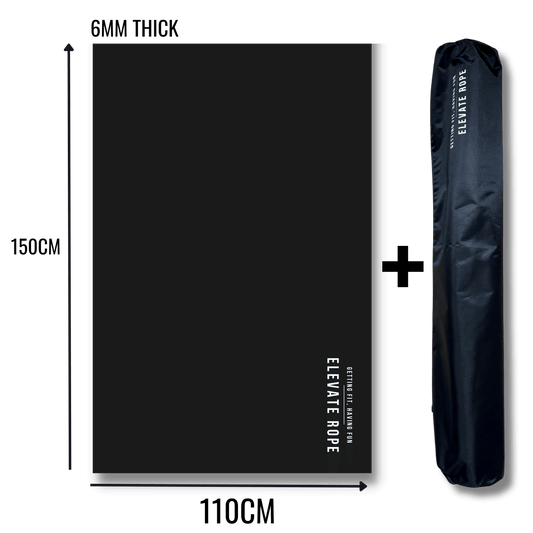
Choose a clear, flat area with room around your arms. Check the space above your head before turning the rope. Wood, rubber flooring, or a suitable exercise mat can work well. Rough concrete may wear a rope faster.
Wear supportive footwear that feels stable during small jumps. Begin with short sets and notice how your feet respond. Stop if pain becomes sharp or changes your movement.
The CDC notes that some physical activity is better than none. It also recommends starting at a level that suits your ability. Read the CDC adult activity guidance for broader context.
Check Your Rope Length First
A poor fit can make a beginner jump rope session unnecessarily frustrating. A short rope may clip your feet. A long rope can drag and disturb the arc.
Stand on the middle of the rope and raise both handles. Use that position as a starting check. Then test several calm rotations.
Your arm position and jumping style also affect working length. Make small changes instead of cutting too much immediately.
For a detailed sizing process, use our jump rope length guide.
Match the Rope to Your Current Skill
Freestyle skills may be your long-term goal. That does not mean you need specialist equipment today.
First learn a clean rotation and comfortable basic bounce. These movements support later footwork, crosses, and combinations.
A beginner jump rope should help you feel the rope clearly. Equipment should match your current technique, not your future ambitions.
How to Learn the Basic Jump Rope Bounce

The basic bounce uses one small jump for each rope rotation. Keep your shoulders relaxed and your hands near your hips.
Stand tall with soft knees. Keep your elbows comfortably near your sides. Hold each handle without squeezing too hard.
Look forward instead of watching the floor. Let your wrists guide the turning motion.
Your jump rope should move without large shoulder circles. Wide arm movement changes the rope path and reduces clearance.
Break the Basic Bounce Into Smaller Skills
Start with several low jumps without the rope. Land softly and reset whenever your balance changes.
Next, hold both handles together. Turn the rope beside your body and notice its rhythm.
Now place the rope behind your heels. Swing it forward, clear it once, and stop.
Repeat single turns until they feel predictable. Then connect two or three turns.
A beginner jump rope practice does not need long unbroken sets. Ten calm attempts can teach more than rushed endurance work.
Keep the basic bounce low. Extra height often makes timing harder instead of easier.
Use a Short First Session
Begin with two minutes of gentle movement. Spend another two minutes practising low jumps without the rope.
Then practise side turns and single jumps. Alternate short attempts with comfortable rest.
Finish by checking your hand position. The goal is awareness, not exhaustion.
Freestyle skills grow faster when you can identify what changed after each miss.
Which Jump Rope Should a Beginner Buy?

A beginner jump rope should support learning before speed. For many new jumpers, a standard beaded rope is a strong starting option.
The beads create more noticeable feedback through the hands. That can make rope position easier to understand.
A speed rope can become useful when quicker rotations become a real training goal. Long handles suit more specialised freestyle skills later.
Beaded Rope: The Control-Focused Starting Point
A beaded rope uses segmented beads around a cord. The construction gives the rope a more noticeable feel during rotation.
That feedback can help when learning timing and the basic bounce. A beaded rope also works well for early footwork practice.
A beaded rope is not automatically best for every goal. Some jumpers later prefer lighter equipment for faster work.
Browse the Beaded Ropes collection if control is your current priority.
For many beginners, the beaded rope remains useful even after the first weeks. It can also support developing freestyle skills.
Speed Rope: Useful When Your Goal Changes
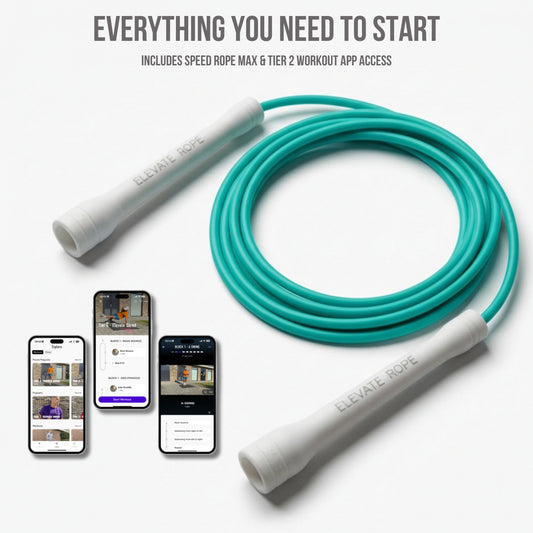
A speed rope uses a lighter, streamlined cord for faster rotations. It can suit conditioning and skills that need quicker turns.
A speed rope may provide less tactile feedback than a beaded rope. That difference is a trade-off, not a defect.
Choose a speed rope when speed becomes your actual priority. Do not change equipment only because your basic bounce improves.
Compare current Speed Ropes when faster training becomes relevant.
A speed rope can complement a beaded rope rather than replace it. Each rope serves a different purpose.
Long Handles: Save Them for Established Freestyle Skills
Long handles can provide extra reach for selected crosses, wraps, and releases. They are useful for more developed freestyle skills.
They are not our first recommendation for a complete beginner. Build reliable timing before adding specialist handle designs.
Once your basic bounce feels automatic, long handles can become more useful. Choose them because a specific trick needs them.
The Long Handle Jump Rope is an option for later freestyle skills.
One Rope or a Bundle?
One beaded rope is enough for many beginners. You do not need several rope types on day one.
A bundle can make sense when you already expect two training styles. Start with control, then add faster conditioning later.
The Ascent Bundle combines that progression in one setup.
A beginner jump rope purchase should solve a real training need. More equipment does not automatically create better technique.
How to Move From Basic Jumps to Freestyle Skills
Freestyle skills should grow from movements you already control. Start with the basic bounce, then add one new pattern.
Do not combine several new movements in the same session. Learn the pieces first.
Step 1: Add Alternating Footwork
Shift your weight gently between both feet. Keep the rope rhythm steady and the jumps low.
Practise the foot movement without the rope first. Then add a slow rotation.
Your hands should continue producing a consistent arc. Avoid adding unnecessary upper-body movement.
Step 2: Learn a Side Swing
A side swing moves the rope beside your body instead of under your feet. It introduces a new wrist path.
Practise one side before alternating. Focus on control before adding speed.
Pause between attempts when needed. Keep the rope clear of other people.
Once both sides feel comfortable, return from the side swing into the basic bounce.
Our side swing tutorial breaks this transition into smaller steps.
Step 3: Approach Your First Cross
A basic cross changes your arm position while the rope passes underneath you. Practise the arm path before jumping.
Cross far enough to create space for the rope. Then test the movement with your normal bounce.
Some freestyle skills need more basic practice first. That is normal.
Record the exact point where the attempt fails. Precision is usually more useful than turning faster.
Step 4: Build a Small Sequence
Try two basic bounces, one side swing, and a return to your normal bounce.
Later, add alternating footwork. Keep the sequence short enough to understand each transition.
Use the rope as a skill tool. Do not judge every session by exhaustion.
Freestyle skills reward timing, rhythm, and clean transitions. Give those details enough attention.
Common Beginner Jump Rope Mistakes
Repeated trips usually need one specific adjustment. More intensity rarely fixes the real problem.
Check rope length, hand position, and timing separately.
Your Hands Drift Outward
When your hands move away from your hips, usable rope clearance changes. The rope may start catching your toes.
Film a front view and check your hand position. Reset your shoulders and keep the wrists relaxed.
You Jump Higher After Every Mistake
Extra height can feel like an obvious fix. It often makes the basic bounce harder to repeat.
Return to small jumps and a steady rope path. Reset between attempts when needed.
If your rope keeps hitting your feet, read our seven beginner fixes.
You Change Equipment Too Quickly
Several frustrating sessions do not automatically mean your rope is wrong. Check the fit before buying something else.
A beaded rope will not fix poor hand position. A speed rope will not repair inconsistent timing.
Identify the problem first. Then decide whether equipment needs to change.
You Rush Freestyle Skills
New jumpers often want crosses and combinations immediately. That motivation is useful, but the foundation still matters.
Keep the basic bounce comfortable before adding complex movements. Your freestyle skills will become easier to troubleshoot.
Your Next Step: Build Control First
The best beginner jump rope setup supports the skill you have today.
Choose a beaded rope when you need clearer feedback. Consider a speed rope when faster rotations become important.
Save specialist handles for freestyle skills that actually need the extra reach.
Adjust your rope before judging the fit. Complete several relaxed sessions and note what changes.
Your next purchase should solve a real problem. Your next practice should improve one clear skill.
Frequently Asked Questions
What jump rope is best for a complete beginner?
A beginner jump rope should make timing easy to understand. A standard beaded rope is often a practical first choice. Its feedback helps many new jumpers track each rotation. Start with correct sizing and the basic bounce before considering faster or more specialised equipment.
Is a beaded rope better than a speed rope for beginners?
A beaded rope usually gives stronger tactile feedback than a speed rope. That can make early timing easier to understand. A speed rope suits faster rotations once control improves. Neither design is universally better. Choose the rope that matches your current training goal.
How long should my first jump rope session last?
Keep your first jump rope session short enough to maintain comfortable technique. Use brief attempts with rest between them. Stop when fatigue changes your landing or hand position. Build duration gradually. The World Health Organization recommends increasing activity progressively according to ability.
Can a complete beginner learn freestyle skills?
Yes. Begin with a basic bounce and add freestyle skills gradually. Alternating footwork and side swings are useful early progressions. Keep each movement separate until it feels predictable. Complex combinations are easier when your timing, rope path, and hand position are already consistent.
Why do I keep tripping over my jump rope?
Check rope length, hand position, and timing one at a time. A rope that is too short may clip your feet. Wide hands can also reduce clearance. Keep your basic bounce small and let your wrists control the turn. Change only one variable during each test.
Do I need long handles for jump rope tricks?
No. Many jump rope tricks begin with standard handles and reliable control. Long handles can help specific freestyle skills later. Start with the equipment you already understand. Change handle style when a real technique requirement appears, not because advanced equipment looks more suitable.
About the Author
Geraldo Alken is the founder and CEO of Elevate Rope. He helps jumpers build control, confidence, and freestyle skills step by step.
You May Also Like
- Beginner Jump Rope Routines: First Combinations
- Jump Rope Basics: 7 Essential Techniques Every Beginner Should Know
- How to Learn Jump Rope Tricks: Bounce to Freestyle, Step by Step
- Speed Rope vs Beaded Rope: Which One Should You Actually Buy?
- Freestyle Jump Rope: What It Is and Why the Rope You Use Changes Everything