





Calf soreness after jumping rope often follows repeated takeoffs and landings. Your lower legs may need time to adapt to unfamiliar work. If calf soreness appears after a new session, a smaller workload can make recovery easier to manage. Sharp or unusual pain needs a different response.
You may finish a workout feeling strong. The next morning, stairs suddenly feel uncomfortable. Your breathing felt fine during training, yet your calves now feel stiff and tender.
That pattern can fit ordinary muscle soreness. It can also mean your workload increased too quickly. This guide explains the difference. You will also learn seven ways to reduce repeated calf soreness and return with more control.
Why Calf Soreness Happens After Jump Rope
Your calves help manage every landing and assist each takeoff. Repeated jumping can create a large amount of lower-leg work.
The gastrocnemius and soleus are the main calf muscles. They help control ankle movement and work with the Achilles tendon during jumping.
Even a short jump rope session repeats the same basic demand many times. Muscular fatigue may appear before your breathing feels difficult.
Calf Soreness Can Follow Unfamiliar Exercise
Delayed-onset muscle soreness, or DOMS, often follows new or unusually demanding exercise. It develops after training rather than during one specific jump.
Cleveland Clinic guidance on DOMS also links soreness with unfamiliar or harder exercise. The same guidance separates normal soreness from symptoms that deserve medical attention.
Training history matters. A regular basketball player may tolerate repeated jumping better than someone returning after months away.
Calf soreness after one unfamiliar workout does not prove your jump rope technique was poor. It also does not prove the workout was better.
Training Volume Can Build Too Quickly
Duration, speed, and frequency all influence lower-leg workload. A comfortable first minute does not guarantee a comfortable longer session.
Repeated calf soreness deserves a closer look at your training load. Shorter intervals or more recovery may help.
Track one change at a time. That makes patterns easier to notice.
Is Calf Soreness Normal or a Warning Sign?
General tenderness that develops later and gradually improves can fit normal DOMS. Sudden or worsening pain needs more caution.
Signs That Resemble Ordinary DOMS
Ordinary calf soreness may feel like stiffness when standing. Stairs can also feel uncomfortable.
The muscle may feel tender when pressed. Symptoms usually develop after exercise rather than during one exact repetition.
This pattern cannot confirm a diagnosis. Ask a qualified healthcare professional when symptoms feel unusual.
Symptoms That Need More Attention
Sudden, localized pain during a jump may suggest something other than ordinary DOMS. Weakness or bruising also deserves attention.
Pain around the Achilles tendon may have another cause. Avoid treating every painful lower leg as simple calf soreness.
Unexplained swelling, warmth, redness, discoloration, or significant one-sided tenderness needs prompt medical assessment.
The CDC lists these as possible DVT warning signs. Difficulty breathing or chest pain can signal a medical emergency.
Severe muscle pain with major swelling or dark urine also needs urgent assessment. Do not try to train through those symptoms.
| Feature | More Consistent With DOMS | Possible Warning Sign |
| Onset | Develops after exercise | Sudden pain during movement |
| Location | Broad muscle tenderness | Sharp focal pain or unexplained swelling |
| Movement | Stiff but manageable | Limping or difficulty bearing weight |
| Trend | Gradually improves | Worsens or includes unusual symptoms |
This comparison is educational only. It cannot diagnose the cause of calf pain.
How to Manage Calf Soreness After Jump Rope

Calf recovery usually starts with reducing demanding activity. Comfortable movement can return as symptoms improve.
Take a Break From Hard Jumping
If normal walking feels difficult, skip another hard jump rope workout for now. Do not chase missed training minutes.
Rest does not always mean lying still. Comfortable daily movement may be reasonable when it does not worsen symptoms.
Your response matters more than a fixed recovery deadline.
Use Gentle Movement Without Forcing It
An easy walk or comfortable ankle movement may reduce stiffness temporarily. Avoid aggressive stretching or movements that produce sharp pain.
Feeling looser afterward does not prove full calf recovery.
A Cochrane review of stretching and muscle soreness found little clinically important reduction in DOMS. Use stretching for comfortable mobility, not as a guaranteed cure.
For a practical post-workout routine, see Jump Rope Stretches: 6 Best Moves After a Workout.
Support Recovery With Simple Habits
Sleep, food, fluids, and recovery time support a sustainable routine. These habits cannot replace medical assessment when warning signs appear.
No single drink or stretch reliably removes calf soreness. Focus on a workload you can recover from.
Judge the session by how you feel afterward, not only during it.
Resume With Shorter Intervals
Return below your previous workload once normal movement feels comfortable. Use short jumping intervals with rest.
Stop if pain returns or your jump rope technique becomes noticeably worse.
Calf soreness often returns when training demand rises too quickly. Increase workload only after your current routine feels manageable.
7 Ways to Reduce Repeated Calf Soreness
Small changes in workload, jump rope technique, and equipment can make practice more repeatable. No rope or mat treats an injury.
1. Begin With Short Jumping Intervals
A beginner can try 15 seconds of easy jumping followed by 45 seconds of rest. Repeat five times if comfortable.
This is an example, not a medical prescription.
Short intervals let you practise rhythm without a long continuous effort. They also make calf recovery easier to monitor.
Someone returning after a break may find this approach more manageable than a demanding continuous session.
2. Keep Each Hop Low
Jump only high enough for the rope to pass beneath your feet. Keep your knees relaxed.
Let your wrists control the rotation. Avoid exaggerated jumps that make each landing larger.
Low, controlled hops support efficient jump rope technique. They also make your rhythm easier to repeat.
Film several jumps from the side if that helps. Look for relaxed movement rather than maximum height.
3. Change One Training Variable at a Time
Increase duration, speed, or frequency separately. Changing everything together makes calf soreness harder to understand.
Repeat a comfortable session before adding another challenge.
For example, keep your pace steady when extending session length. Review your calf recovery before changing anything else.
This simple approach makes your training record more useful.
4. Check Your Rope Length
A rope that is too long or short can make timing harder. Repeated trips may encourage higher jumps and tension.
Adjust the rope according to your height and the manufacturer's guidance.
For a technique refresher, read How to Skip: A Guide for Beginners.
Better timing can make practice easier to control. It cannot guarantee freedom from calf soreness.
5. Use a Stable Training Surface
Choose a level surface that is not slippery or uneven. Keep the surrounding area clear.
A consistent training area can make sessions feel more predictable. Suitable footwear also matters.
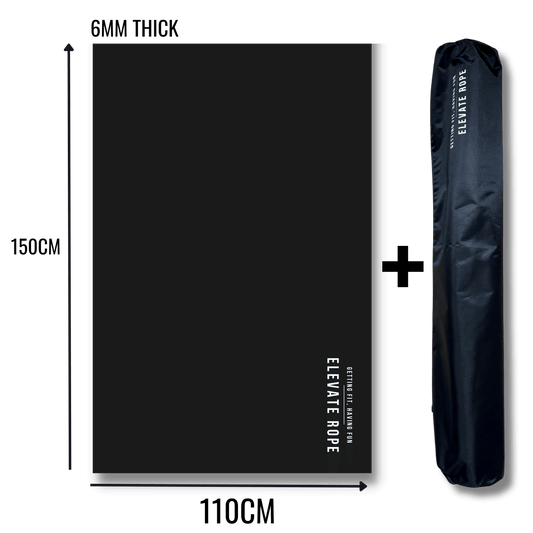
A mat can define your training area and protect flooring. The Elevate Jump Rope Mat is one option.
A mat does not treat DOMS, calf soreness, or an injury.
6. Choose a Rope You Can Control
Some learners prefer a beaded rope because it provides tactile feedback during rotation.
That feedback can make timing easier to feel. It may also support calmer jump rope technique.
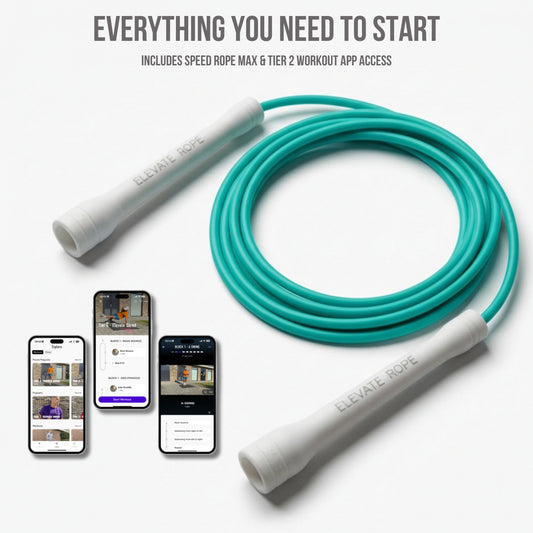
The Elevate Beaded Jump Rope is one option for rhythm practice.
Changing equipment cannot prevent DOMS or heal an injury. Training load remains more important for calf recovery.
7. Favor Workouts You Can Repeat
One exhausting workout is not automatically more productive than several manageable sessions.
Repeatable training gives you more opportunities to practise rhythm and coordination.
If calf soreness repeatedly interrupts your plans, reduce the challenge. Protect your ability to return.
Do not measure progress by tomorrow's stiffness.
Build a Jump Rope Plan Your Calves Can Handle

A useful plan starts with a workload you can repeat. Recovery and previous experience should guide the next increase.
A Simple Beginner Progression
The following example suits an otherwise healthy beginner without concerning symptoms.
| Session | Example Workout | Focus |
| First | Five rounds: 15 seconds jumping, 45 seconds rest | Comfortable rhythm |
| Second | Repeat after adequate recovery | Consistency |
| Third | Five rounds: 20 seconds jumping, 40 to 60 seconds rest, if comfortable | Gradual increase |
Repeating the first session several times is completely reasonable. Do not progress while calf soreness affects normal movement.
Anyone returning after significant symptoms or injury may need individual guidance.
Keep a Short Training Record
After each workout, note how long you jumped. Record how controlled the movement felt.
Check for calf soreness the next morning. This simple record can reveal patterns over time.
If symptoms follow a change, return to your previous manageable workload.
Progress does not need to happen in every session.
Think About the Next Month
Jump rope is a skill that improves through repeated practice. Your routine should leave space for work, family, and recovery.
A short session you can repeat may be more useful than one heroic effort.
As your jump rope technique improves, the movement should feel more familiar.
The goal is controlled practice, reliable calf recovery, and a routine you can maintain.
Your Next Workout Should Feel Doable
Sore calves can be frustrating when you want enjoyable cardio. Ordinary exercise soreness does not automatically mean jumping rope is wrong.
Start with short intervals. Keep your hops controlled. Give your lower legs enough time to recover.
If calf soreness persists or feels unusual, seek professional advice before jumping again.
Progress is not measured by how sore you feel tomorrow. It grows through sessions you can practise, recover from, and repeat.
Watch: Jump Rope Recovery and Mobility
When soreness has settled, follow Geraldo Alken through a light jump rope recovery and mobility session.
Frequently Asked Questions
Why does calf soreness happen after jumping rope?
Calf soreness can develop because repeated jumping loads the muscles that manage landing and takeoff. New activity can also trigger DOMS. Start with shorter sessions and allow calf recovery between demanding workouts. Sudden pain during a jump may indicate something other than ordinary soreness and deserves more caution.
How long does calf soreness last after jump rope workouts?
Calf soreness from unfamiliar exercise usually improves as the muscles recover. Timing varies with workload and previous training. Symptoms should trend toward improvement rather than worsening. Seek professional advice for severe, persistent, or unusual pain instead of assuming every sore calf is normal DOMS.
Can I jump rope when I still have calf soreness?
Avoid a demanding session when calf soreness affects walking or becomes worse with movement. Mild discomfort may allow comfortable daily activity. Wait until normal movement feels easier before resuming short intervals. Stop if pain returns, weakness appears, or your jump rope technique changes because of discomfort.
Does stretching stop calf soreness after jumping rope?
Stretching does not reliably prevent calf soreness caused by DOMS. Gentle stretching may feel comfortable, but it is not a guaranteed cure. Use it as optional mobility work. Shorter sessions, sensible progression, and adequate calf recovery provide a more practical foundation for consistent jump rope training.
Do I need a special jump rope to prevent sore calves?
No specific rope can guarantee protection from sore calves or injury. Rope length and feedback can affect timing and control. A beaded rope may help some beginners feel each rotation. Managing workload, maintaining controlled jump rope technique, and allowing recovery matter more than changing equipment alone.
By Geraldo Alken, founder and CEO of Elevate Rope.