





Speed jump ropes are designed for efficient rotation, making them popular for cardio workouts, boxing, CrossFit, and double unders. Their lightweight construction helps athletes develop rhythm, coordination, and faster skipping techniques.
However, not every speed rope works the same way.
Some use thin steel cables and ball-bearing handles. Others use PVC cables that provide more feedback during each rotation.
Choosing the right design depends on your experience and training goals.
In this guide, you'll discover seven benefits of speed jump ropes, how different models work, and what to consider before buying one.
You'll also learn practical exercises and common mistakes to avoid.
What Are Speed Jump Ropes?
Speed jump ropes are lightweight skipping ropes designed for quick, efficient rotations.
Compared with beaded or heavy ropes, they generally create less rotational resistance.
This makes them suitable for faster cardio sessions, footwork drills, and double unders.
However, speed ropes come in several designs.

PVC Speed Jump Ropes
PVC speed ropes use flexible plastic cables.
Some models include an internal nylon core for additional structure and durability.
PVC cables provide noticeable feedback, helping athletes feel the rope's position.
They can be useful for regular cardio, boxing footwork, and learning faster combinations.
Steel-Cable Speed Jump Ropes
Steel-cable models often use thin coated cables.
Many include ball-bearing mechanisms that reduce friction during rotation.
These ropes are popular in competitive fitness environments, particularly for double unders.
However, their lighter cables can make timing more difficult for beginners.
Bearing-Free Speed Ropes
Not every speed rope needs ball bearings.
Some designs use a direct connection between the handle and cable.
This can provide a different balance between rotation speed and tactile feedback.
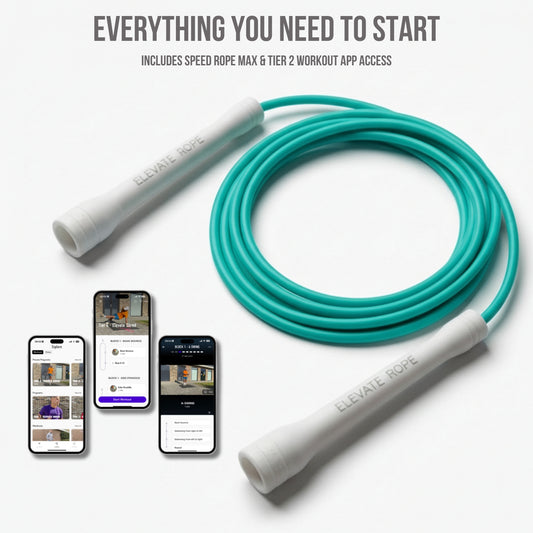
For example, the Elevate Speed Rope MAX uses a 5 mm PVC cable with a nylon core and bearing-free handles.
Its design prioritizes controllable rotation and rope awareness.
The best speed jump ropes are not necessarily the thinnest or fastest.
They are the ones that match your technique and intended workout.
7 Benefits of Speed Jump Ropes
Speed ropes offer several practical advantages for cardiovascular training.
Their benefits come from consistent exercise and improved movement skills.
According to the World Health Organization's physical activity guidance, regular physical activity supports cardiovascular health and overall well-being.
1. Improve Cardiovascular Endurance
Skipping raises your heart rate and challenges your cardiovascular system.
Regular aerobic exercise can help improve endurance over time.
A speed rope makes it easy to alternate between comfortable and demanding intervals.
You can adjust the pace without changing equipment.
2. Develop Coordination and Timing
Jump rope requires your hands and feet to work together.
Each successful rotation depends on consistent timing.
With practice, you can develop smoother movement patterns and better rope awareness.
These skills can also support other athletic activities.
3. Support Calorie Expenditure
Speed jump ropes can be used for vigorous cardiovascular workouts.
Higher-intensity exercise generally increases energy expenditure per minute.
However, calorie expenditure depends on body weight, pace, duration, and rest periods.
A faster rope does not automatically produce greater fat loss.
Nutrition and long-term activity habits remain important for weight management.
4. Make Interval Training Convenient
A speed rope works well for interval-based workouts.
You can alternate short jumping periods with walking or standing recovery.
This makes training adaptable to different fitness levels.
For example, try 30 seconds of skipping followed by 30 seconds of rest.
Repeat only as long as your technique remains controlled.
The CDC explains moderate and vigorous exercise intensity, including how aerobic activities contribute to weekly physical activity goals.
5. Improve Footwork and Rhythm
Boxers and other athletes often use skipping to practice rhythm and footwork.
Alternate-foot steps, boxer skips, and controlled lateral movements provide useful variety.
These exercises require coordination between the upper and lower body.
Improvement comes from repeated practice rather than maximum jumping speed.
6. Provide Portable Training Equipment
A speed rope fits easily into a gym bag.
You can use it at home, outdoors, or in suitable training facilities.
You only need adequate clearance and a safe surface.
This convenience can make regular exercise easier to maintain.
7. Create Opportunities for Skill Progression
Speed ropes support progression from basic jumps to more demanding movements.
You might begin with comfortable single jumps.
Later, you can practice faster footwork, crossovers, or double unders.
Each new skill provides another way to measure progress.
The real benefit is building a routine you can repeat.
Speed Jump Ropes vs Beaded and Heavy Ropes
Different rope designs serve different purposes.
Understanding these differences makes choosing equipment easier.
| Rope type | Main characteristic | Common uses | Beginner suitability |
| PVC speed rope | Lightweight with moderate feedback | Cardio, boxing, footwork | Suitable with basic technique |
| Steel-cable speed rope | Thin cable with low resistance | Fast rotations, double unders | Often more challenging |
| Beaded rope | Strong rotational feedback | Timing, fundamentals, freestyle | Excellent starting option |
| Heavy rope | Greater resistance | Conditioning, grip and shoulder endurance | Requires gradual progression |
Are Speed Ropes Better Than Beaded Ropes?
Neither design is universally better.
Beaded ropes often provide clearer feedback during rotation.
That can make them easier for complete beginners.
Speed ropes are useful when you want lighter handling and faster movement.
Your experience matters more than choosing the most advanced equipment.
Are Speed Ropes Better Than Heavy Ropes?
Speed ropes and heavy ropes create different training demands.
Speed ropes emphasize efficient rotation and cardiovascular rhythm.
Heavy ropes add resistance and challenge the upper body more directly.
Both can support conditioning.
Choose according to your current goal rather than assuming one is superior.
How to Choose the Best Speed Jump Rope
The best speed jump rope should feel comfortable, controllable, and appropriate for your training.
Consider the following factors.
1. Cable Material
PVC cables offer flexibility and useful rotational feedback.
Steel cables are generally thinner and can rotate quickly.
Choose PVC for versatile cardio and technique practice.
Consider steel-cable models when specialized speed work is your priority.
2. Cable Thickness
Thinner cables generally create less air resistance.
However, they may provide less feedback.
Thicker PVC cables can help you sense the rope during rotation.
A 5 mm PVC cable offers a practical balance for many recreational jumpers.
3. Handle Design
Handles should feel secure without requiring excessive grip pressure.
Short handles can suit compact wrist movements.
Longer handles may provide additional reach for certain freestyle techniques.
There is no universally ideal handle length.
Comfort and intended movement matter most.
4. Bearing System
Ball bearings are common in specialized speed ropes.
They can support smooth cable rotation.
However, bearing-free designs can also perform well.
The correct choice depends on your preference for speed and feedback.
5. Adjustable Length
An incorrectly sized rope can make skipping unnecessarily difficult.
A rope that is too long may strike the ground excessively.
A rope that is too short may catch your feet.
Choose an adjustable model and test the length before making permanent changes.
6. Training Surface
The surface affects comfort and cable wear.
Avoid rough concrete when possible, especially with thin cables.
Choose a level, non-slip surface with adequate space.
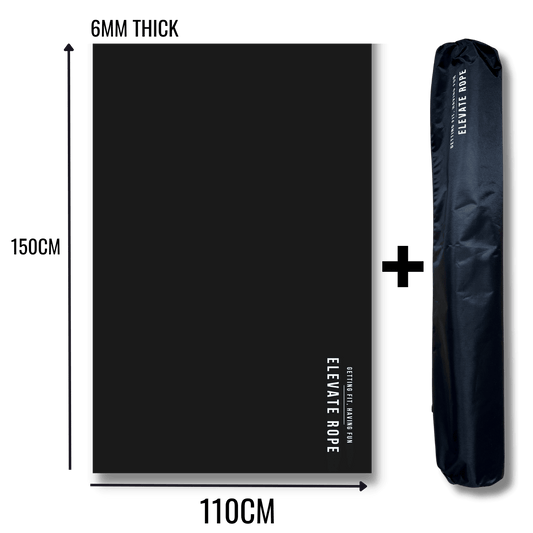
A suitable jump rope mat may help protect the cable and training surface.
7. Your Experience Level
Beginners should prioritize control and timing.
Intermediate jumpers may prefer versatile PVC ropes.
Experienced athletes can select specialized designs for specific skills.
Do not choose equipment based on speed alone.
How to Adjust a Speed Jump Rope
Correct rope length helps improve timing and control.
Start with the manufacturer's recommended adjustment method.
For an initial check, stand on the center of the cable.
Pull both handles upward and compare their position with your body.
Beginners often prefer a slightly longer rope.
Experienced jumpers may shorten the cable as their technique improves.
However, there is no single correct measurement for everyone.
Your arm position, height, and jumping style affect the ideal length.
Test Before Cutting
Perform several basic jumps.
Check whether the cable clears your feet comfortably.
Watch for excessive contact with the ground.
Make small adjustments and test again.
If your rope requires cutting, confirm the length before removing material.
You cannot restore a cable after cutting it too short.
How to Use Speed Jump Ropes Correctly
Good technique matters more than jumping quickly.
Follow these steps to develop efficient movement.
Step 1: Stand Tall
Maintain a comfortable upright posture.
Keep your shoulders relaxed and your knees slightly bent.
Look forward rather than constantly watching your feet.
Step 2: Position Your Hands
Keep your elbows relatively close to your sides.
Position your hands slightly forward of your hips.
Avoid spreading your arms unnecessarily.
Step 3: Rotate With Your Wrists
Use small wrist movements to turn the rope.
Avoid making large circles with your shoulders.
A relaxed grip can help reduce unnecessary tension.
Step 4: Jump Only as High as Needed
The cable needs only enough space to pass beneath your shoes.
Excessive jumping height wastes energy.
Practice small, controlled rebounds.
Step 5: Land Softly
Use controlled landings with comfortable knee flexion.
Avoid forcing your heels to remain elevated throughout every movement.
Let your ankles and knees absorb the landing naturally.
Step 6: Build Speed Gradually
Begin with a comfortable rhythm.
Increase the pace after you can complete consistent jumps.
If your technique deteriorates, slow down.
For more guidance, read Common Jump Rope Mistakes and How to Fix Them.
3 Speed Rope Workouts to Try
Speed jump ropes work well for short cardio sessions.
These examples provide options for different experience levels.
The CDC's guide to adding physical activity recommends choosing activities that match your abilities and building a sustainable routine.
Workout 1: Beginner Speed Rope Practice (10 Minutes)
Goal: Build coordination and confidence.
Warm up with two minutes of gentle movement.
Then complete six rounds:
- 20 seconds of basic jumps
- 40 seconds of walking recovery
Finish with two minutes of easy movement.
Total duration: 10 minutes.
Focus on rhythm rather than maximum speed.
If you are completely new to skipping, a beaded rope may be easier initially.
Workout 2: Intermediate Cardio Intervals (15 Minutes)
Goal: Improve cardiovascular conditioning.
Warm up for three minutes.
Complete ten rounds:
- 30 seconds of controlled faster jumping
- 30 seconds of recovery
Finish with a two-minute cool-down.
Total duration: 15 minutes.
Use basic bounce or alternate-foot steps.
Maintain consistent technique across the session.
Workout 3: Advanced Double-Under Practice (18 Minutes)
Goal: Develop faster rotation and timing.
Warm up for four minutes.
Complete ten rounds:
- 20 seconds of double-under practice
- 40 seconds of recovery
Finish with four minutes of gentle movement.
Total duration: 18 minutes.
Double unders require the rope to pass beneath your feet twice during one jump.
Practice the movement only after developing reliable single-jump technique.
You can substitute fast single jumps when needed.
Why Boxers and CrossFit Athletes Use Speed Jump Ropes
Speed ropes are popular across several athletic disciplines.
However, different sports may favor different rope designs.
Speed Ropes for Boxing
Boxing requires rhythm, coordination, and sustained movement.
Skipping can complement boxing conditioning and footwork practice.
Common exercises include boxer steps and alternating-foot jumps.
A PVC speed rope can provide useful feedback during these movements.

Speed Ropes for CrossFit
Double unders are common in CrossFit workouts.
They require fast rope rotation and precise jumping technique.
Many athletes use thin steel-cable ropes for this purpose.
However, PVC speed ropes can also be used for CrossFit training.
The best choice depends on the athlete and the workout.
Speed Ropes for General Fitness
You do not need to compete to benefit from skipping.
A speed rope can support home cardio sessions, warm-ups, and interval training.
Short workouts are a practical starting point.
Progress gradually as your endurance improves.
Common Speed Rope Mistakes to Avoid
Small technique errors can make fast skipping harder.
Choosing a Rope That Is Too Light
Very thin cables can provide limited feedback.
Beginners may struggle to recognize the rope's position.
Consider a PVC or beaded rope while learning the fundamentals.
Jumping Too High
Large jumps require unnecessary effort.
They can also disrupt timing.
Use smaller movements while maintaining enough clearance.
Rotating With Your Shoulders
Excessive arm movement makes efficient rotation harder.
Keep your upper body relaxed.
Use controlled wrist movements.
Training Too Intensely
Jump rope involves repeated impacts.
Your calves, ankles, and other tissues need time to adapt.
Avoid increasing duration and intensity too quickly.
Ignoring Discomfort
Persistent shin, foot, or Achilles pain should not be ignored.
Stop or modify training when symptoms occur.
Seek appropriate professional guidance for persistent or worsening pain.
The World Health Organization's physical activity recommendations encourage inactive people to begin with manageable amounts of movement and increase activity gradually.
Why Choose Elevate Speed Rope MAX?
The Elevate Speed Rope MAX is designed for cardio training, controlled rotation, and skill progression.
Unlike many specialized steel-cable ropes, it uses a thicker PVC cable.
5 mm PVC Cable
The cable combines PVC with a nylon core.
This provides more noticeable rotational feedback than many thin steel cables.
Bearing-Free Design
The rope uses a bearing-free handle connection.
Its design emphasizes controlled rotation rather than relying on a ball-bearing mechanism.
Adjustable Length
The cable can be shortened to suit your height and jumping style.
Always test the length before cutting.
Versatile Training
The Speed Rope MAX can be used for:
- Cardiovascular workouts
- Boxing footwork
- Basic jumping technique
- Interval training
- Double-under practice
- General conditioning
It is a practical option for jumpers who want to develop speed without losing rope awareness.
Explore the Elevate Speed Rope collection to compare available designs and colors.
Are Speed Jump Ropes Suitable for Beginners?
Yes, but the rope design matters.
A beginner-friendly PVC speed rope may work well for someone with basic coordination.
However, complete beginners often benefit from a beaded rope first.
The additional feedback helps make timing easier to understand.
Start with a manageable pace.
Build confidence through repeated practice.
Move toward faster ropes when you feel comfortable with basic jumps.
Your first goal should be control, not maximum speed.
Final Thoughts: Choose Control Before Speed
Speed jump ropes offer a practical way to develop cardiovascular fitness, coordination, and faster skipping skills.
They are useful for cardio workouts, boxing, CrossFit, and general conditioning.
However, the fastest rope is not automatically the best rope.
Consider cable material, thickness, handle design, adjustability, and your experience.
Begin with the basics.
Develop consistent timing.
Increase speed as your technique improves.
Progress comes from practice you can repeat, not equipment you cannot control.
Explore Elevate Rope's speed ropes and choose the design that supports your next step.
Together We Elevate.
Before increasing your speed, learn how to fix the most common jump rope technique mistakes with Geraldo Alken.
Frequently Asked Questions
What are speed jump ropes used for?
Speed jump ropes are used for cardiovascular training, boxing footwork, interval workouts, and skills such as double unders. Their lightweight construction supports efficient rotation. Different cable materials create different levels of feedback, so the best design depends on your experience and training goals. You do not need competitive experience to use one.
Are speed jump ropes good for beginners?
Some speed jump ropes are suitable for beginners, especially PVC designs that provide noticeable feedback. However, very thin steel cables can make timing harder to learn. Complete beginners may prefer a beaded rope initially. Focus on controlled basic jumps, comfortable pacing, and correct rope length before increasing rotation speed.
Are PVC or steel-cable speed ropes better?
PVC and steel-cable speed jump ropes serve different purposes. PVC cables generally provide more rotational feedback and suit versatile cardio training. Thin steel cables often favor specialized speed work and double unders. Neither is universally better. Choose based on your preferred movements, skill level, training surface, and need for control.
Can speed jump ropes help with weight loss?
Speed jump ropes can contribute to weight management by increasing physical activity and energy expenditure. However, using a faster rope does not guarantee greater fat loss. Results depend on nutrition, overall activity, recovery, and consistency. Start with manageable workouts and gradually increase the duration or intensity as your fitness improves.
Can you use speed jump ropes for CrossFit?
Yes. Speed jump ropes are commonly used in CrossFit, particularly for double unders. Many athletes prefer thin steel-cable models, but PVC ropes can also support training. The most suitable design depends on your skill level and workout requirements. Practice reliable single jumps before attempting repeated double unders.
How do I choose the correct speed rope length?
Begin with the manufacturer's sizing guidance and test the rope before making permanent adjustments. The ideal length depends on your height, arm position, and technique. A rope that is too long may strike the ground excessively, while a short rope may catch your feet. Adjust gradually until rotations feel comfortable.
About Elevate Rope
Elevate Rope helps people develop sustainable fitness habits through jump rope training, practical education, and community.
Our approach focuses on more than equipment.
We believe confidence grows through repeated action, manageable challenges, and progress you can recognize.
Whether you are learning your first jump or developing advanced skills, the goal remains the same.
Show up, practice, and keep moving forward.