





A boxing jump rope should match the job of the session.
That is the core buying rule.
A speed rope supports rhythm and boxing footwork.
A heavy rope adds resistance and fatigue.
A weighted rope can sit between those two roles.
Many fighters buy the wrong boxing jump rope first.
They choose the hardest option.
They assume harder always means better.
That is not always true.
A boxing jump rope should fit your goal, not just your ego.
For most fighters, a speed rope is the safest first choice.
It keeps fatigue lower.
It supports cleaner boxing footwork.
A heavy rope is better for jump rope conditioning.
A weighted rope works when you want more feedback.
This guide explains how to choose the right boxing jump rope for boxing, MMA, and Muay Thai.
It also shows when one rope is enough.
You will also see when two ropes make more sense.
What You'll Learn
- When a speed rope is the best first boxing jump rope
- When a heavy rope makes sense for jump rope conditioning
- When a weighted rope offers a better middle ground
- How boxing footwork changes your rope choice
- How fighter training affects the buying decision
- When two ropes make more sense than one
1. Start With the Job of the Boxing Jump Rope
Start with the training goal.
Do not start with the rope label.
A boxing jump rope can serve different jobs.
One job is boxing footwork.
Another job is jump rope conditioning.
A third job is general fighter training.
When the goal is boxing footwork, the rope should feel smooth and predictable.
Your hands should stay relaxed.
Your jumps should stay low.
The rope should support the drill.
When the goal is jump rope conditioning, more resistance can help.
That is where a heavy rope can fit.
A heavy rope makes every turn more demanding.
A weighted rope also changes the feel of the session.
Choose the boxing jump rope by purpose.
That single rule prevents most bad purchases.
2. Speed Rope: Best for Daily Boxing Footwork

A speed rope is the best daily boxing jump rope for most fighters.
It supports rhythm without adding too much fatigue.
That makes it useful before pads, bags, or sparring.
A speed rope works well for boxing footwork drills.
It fits boxer skip work.
It also fits alternating steps and cadence changes.
Longer warm-ups feel easier with a speed rope too.
Most fighters do not need the fastest rope possible.
They need a controllable boxing jump rope.
That is a big difference.
A speed rope should help you repeat clean movement.
Choose a speed rope first if:
- boxing footwork is your main goal
- you skip before technical sessions
- you want a lighter boxing jump rope
- you already do strength work elsewhere
A speed rope is also better for longer rounds.
A heavy rope can turn a technical drill into a shoulder test.
That is not helpful every day.
A boxing jump rope should support the session, not hijack it.
3. Weighted Rope: Best Middle Ground
Some fighters find a speed rope too light.
That is where a weighted rope can help.
A weighted rope gives your hands more feedback.
It makes the rope easier to feel during each turn.
That extra feedback can help timing.
It can also help rhythm under mild fatigue.
A weighted rope is still more manageable than a heavy rope.
A weighted rope is useful when:
- a speed rope feels too light
- a heavy rope feels too demanding
- you want one rope for mixed fighter training
- you want more rope awareness
For many athletes, a weighted rope feels like a compromise.
That is not a bad thing.
It can cover warm-ups, moderate intervals, and skill work.
It still will not replace every specialist rope.
A boxing jump rope in this category is best for versatility.
It gives more feel than a speed rope.
It gives less fatigue than a heavy rope.
That is why many fighters like a weighted rope.
4. Heavy Rope: Best for Jump Rope Conditioning
A heavy rope is best used for jump rope conditioning.
It is not the best daily boxing jump rope for most people.
A heavy rope adds more rotational resistance.
Your shoulders work harder.
Your grip works harder.
Your trunk works harder.
That can be useful in fighter training.
Still, a heavy rope changes the session.
It creates fatigue earlier.
That means it can reduce technical quality.
This matters when boxing footwork is the main goal.
Use a heavy rope when:
- you want dedicated jump rope conditioning
- you already own a lighter boxing jump rope
- your timing is already stable
- you want shorter resistance-focused rounds
A heavy rope is not wrong.
It just belongs in a specific role.
Think of it as a conditioning tool.
Do not treat it as the answer to every session.
5. Which Boxing Jump Rope Fits Your Sport?
Different combat sports use skipping differently.
That changes the best boxing jump rope choice.
If You Are a Boxer
Boxers usually benefit most from a speed rope first.
A speed rope supports boxing footwork and rhythm.
It also fits repeated rounds before technical work.
A weighted rope can help if you want more feel.
A heavy rope can come later for jump rope conditioning.
If You Train MMA
MMA already includes many conditioning demands.
That matters when choosing a boxing jump rope.
A speed rope supports movement without extra upper-body fatigue.
A weighted rope can also work well here.
It adds feedback for fighter training.
A heavy rope is best saved for separate conditioning work.
If You Train Muay Thai
Muay Thai athletes may use skipping for rhythm and conditioning.
The same rules still apply in Muay Thai.
Use a speed rope for technical rounds.
Use a heavy rope when resistance is the real goal.
Muay Thai training can already be demanding.
That is why rope choice matters in Muay Thai.
A boxing jump rope should still match the session.
That rule applies in Muay Thai too.
6. One Rope or Two?

Some fighters only want one boxing jump rope.
That is reasonable.
Others need two ropes.
That depends on programming.
If you want one rope only, choose based on your main goal.
Choose a speed rope if:
- you mainly train boxing footwork
- you want a lighter daily boxing jump rope
- you warm up before boxing or MMA
Choose a weighted rope if:
- you want one versatile boxing jump rope
- you want more feedback
- you want mixed fighter training use
Choose a heavy rope if:
- jump rope conditioning is the priority
- you already own a lighter rope
- you want shorter resistance rounds
Two ropes make more sense when your training splits into clear roles.
Use a speed rope for technical rounds.
Use a heavy rope for jump rope conditioning.
That split keeps both sessions cleaner.
This is also where the Combat Bundle makes sense.
The Combat Bundle supports two clear jobs.
One role is rhythm and boxing footwork.
The other role is resistance work.
If you want both roles covered, the Combat Bundle is practical.
A Combat Bundle is often smarter than forcing one rope to do everything.
That is the value of the Combat Bundle.
7. Buying Mistakes Fighters Should Avoid
Most bad boxing jump rope purchases come from simple mistakes.
Buying the Fastest Rope First
An ultra-fast speed rope can hide mistakes.
It can also feel too light for beginners.
Control matters more than raw speed.
Using a Heavy Rope for Everything
A heavy rope is useful.
Still, a heavy rope should not replace every technical round.
Save the heavy rope for jump rope conditioning.
Ignoring the Training Surface
A rough surface wears ropes faster.
A clean gym floor is better.
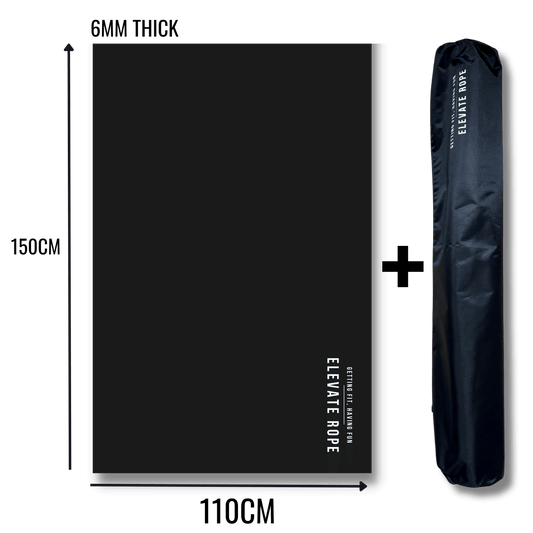
A mat can also help protect your boxing jump rope.
Expecting One Rope to Do Every Job
One rope can cover a lot.
Still, one rope cannot do everything perfectly.
A speed rope and heavy rope pairing covers more extremes.
A weighted rope gives the best middle ground.
Frequently Asked Questions
What is the best boxing jump rope for beginners?
For most beginners, a speed rope is the best first boxing jump rope.
It supports rhythm and boxing footwork without too much fatigue.
If it feels too light, a weighted rope may be easier to track.
Should fighters use a heavy rope?
Yes, but only for the right job.
A heavy rope is best for jump rope conditioning.
It should not replace every technical round or every boxing footwork drill.
Is a weighted rope good for fighter training?
Yes.
A weighted rope can work well for fighter training when you want more feedback.
It sits between a speed rope and a heavy rope.
That makes it useful for mixed sessions.
Is a speed rope enough for boxing?
For many fighters, yes.
A speed rope is often enough for boxing footwork, warm-ups, and rhythm work.
A heavy rope becomes useful only when jump rope conditioning needs its own tool.
Should Muay Thai fighters use a boxing jump rope?
Yes.
The same rope logic works in Muay Thai.
Use a speed rope for rhythm.
Use a heavy rope for conditioning.
Use a weighted rope if you want more feedback in Muay Thai sessions.
When does the Combat Bundle make sense?
The Combat Bundle makes sense when you want both skill work and conditioning covered.
A Combat Bundle gives you a clearer split between roles.
That is why many fighters prefer the Combat Bundle.
Next Steps: Choose the Boxing Jump Rope That Fits Your Week
The best boxing jump rope is the one that matches your training week.
Choose a speed rope for rhythm and boxing footwork.
Choose a weighted rope for versatility and feedback.
Choose a heavy rope for jump rope conditioning.
If you want one tool, buy the rope that matches your main goal.
If you want more range, use two tools.
That is where a Combat Bundle becomes useful.
A boxing jump rope should make training clearer.
It should not make buying more confusing.
Keep the decision simple.
Match the rope to the job.
https://www.youtube.com/watch?v=LVOPyiNPfo0
About the Author
Geraldo Alken is the founder and CEO of Elevate Rope.
He helps jumpers and fighters build better rhythm, footwork, conditioning, and rope control.
You May Also Like
Top 5 Benefits of Jumping Rope for Boxers
5-Minute Jump Rope Warm-Up for Boxing: 5 Essential Moves
Ali Shuffle: Jump Rope Boxing Techniques
Jump Rope for Boxers: Footwork, Rhythm & Conditioning
Jump Rope for Boxers: The Complete Training Guide for Fighters